On Tuesday, a NATO air policing F-16 fighter jet operated by Romania intercepted and shot down an unidentified aerial object later confirmed to most likely be a Ukrainian drone over southern Estonia, according to Estonian national authorities, intensifying already simmering cross-border tensions tied to Ukraine’s expanding long-range drone campaign against Russia.
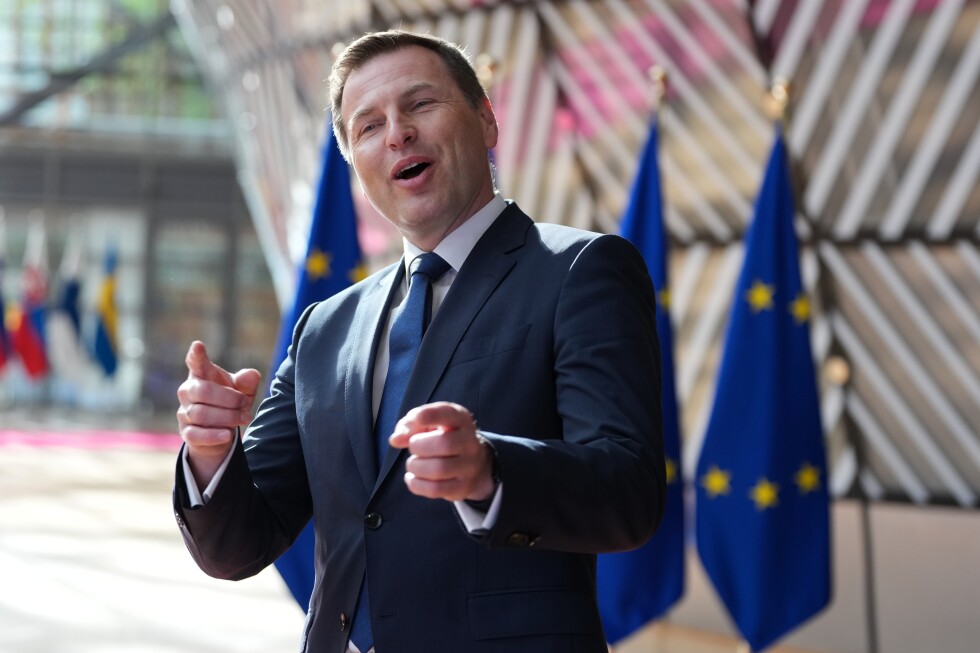
Estonian Defense Minister Hanno Pevkur told the Associated Press that the decision to engage the drone was based on its observed flight path, adding that preliminary assessments indicate the unmanned aircraft was originally intended to strike a target inside Russian territory. This incident marks the latest in a growing series of accidental incursions into NATO territory by Ukrainian drones targeting Russia, a pattern Western officials broadly attribute to extensive Russian electronic jamming operations that alter the course of incoming unmanned weapons.
In the wake of the incident, Ukraine issued a formal apology for the unintended incursion. Ukrainian Foreign Ministry spokesperson Heorhii Tykhyi announced via a post on X that Ukraine apologizes to Estonia and all Baltic allies for the accidental incident, adding that joint expert teams from Ukraine and Estonia are already developing new protocols to prevent similar events from occurring in the future. Pevkur confirmed that Estonian officials have repeatedly urged Ukraine to adjust flight trajectories for drone strikes on Russia to keep them as far from NATO territory as possible.
Russia has seized on the incident to issue stark warnings of retaliation. The Russian Foreign Intelligence Service (SVR) claimed in a Tuesday statement that Ukraine is preparing to launch drone strikes against Russian targets from the territory of Baltic NATO member states, alleging that Ukrainian military personnel have already deployed to Latvia. The statement warned that NATO membership would not shield Baltic states from what it called “just retribution”, noting that modern intelligence systems can accurately pinpoint the origin of any drone launch.
Latvian President Edgars Rinkēvičs immediately refuted Russia’s claims, posting on X that Moscow’s assertions about Latvia allowing third parties to use its territory or airspace for attacks on Russia are entirely false. Tensions around stray drone incursions have already had concrete political fallout in the region: just last week, the entire Latvian government collapsed after Prime Minister Krišjānis Kariņš resigned, triggered when the defense minister was forced to step down over his handling of multiple suspected Ukrainian drone incidents and his party pulled out of the ruling coalition.
While Estonia reaffirmed its unwavering support for Ukraine’s right to defend itself against Russian invasion, it also moved quickly to clarify its position on cross-border operations. Estonian Foreign Minister Margus Tsahkna stated in an official release that Ukraine retains full legitimate right to target Russian military assets, but emphasized that Estonia has never granted permission for its airspace to be used for offensive strikes against Russia. Echoing the assessment of other Western officials, Tsahkna tied the accidental incursion directly to Russian electronic jamming efforts that divert Ukrainian drones off their intended courses.
The downing comes amid a steady escalation of Ukraine’s long-range drone campaign against Russian infrastructure. As Ukraine’s domestic drone production capacity and technical sophistication have improved in recent months, Kyiv has ramped up strikes on key Russian energy facilities and military arms factories located hundreds of miles inside Russian territory. Just two days before the Estonia incident, Russian authorities reported that one of the largest Ukrainian drone strikes on Russian soil killed at least four people, three of them in areas surrounding Moscow, and wounded a dozen more.
Long-range drone attacks have become a defining feature of the Russia-Ukraine war, now entering its fifth year since Russia launched its full-scale invasion of Ukraine in February 2022. For NATO member Baltic states, which have been among the most vocal supporters of Ukraine’s war effort, these accidental incursions have created a tricky diplomatic and security balancing act, stoking internal political tensions while drawing aggressive saber-rattling from Moscow.