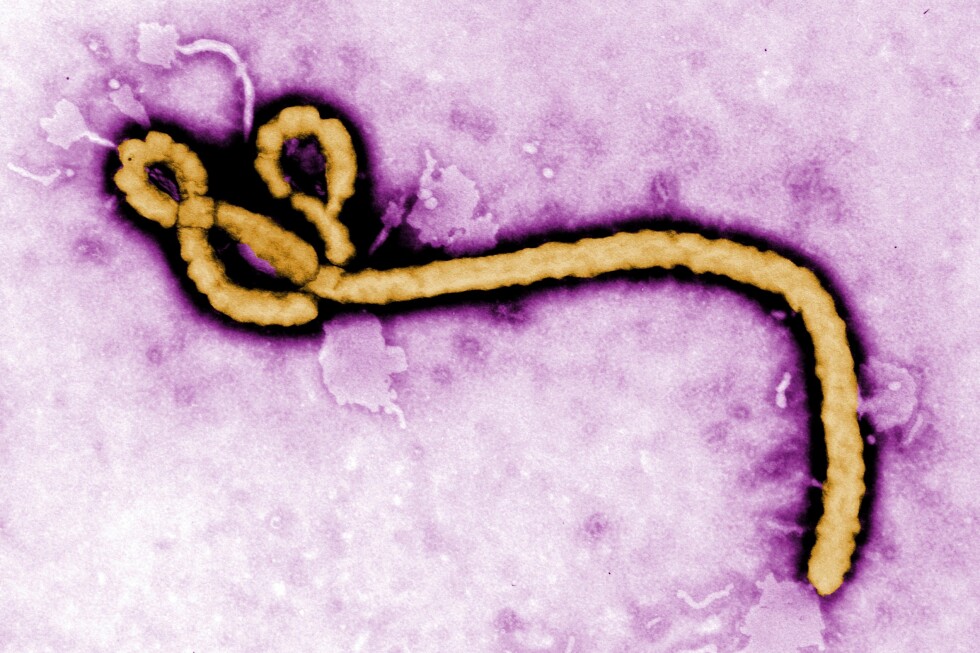
CAPE TOWN, South Africa – African public health authorities have confirmed a new Ebola outbreak in the Democratic Republic of the Congo’s northeastern Ituri province, reporting at least 246 suspected infections and 65 fatalities as authorities move to contain the spread of the highly lethal pathogen.
First identified nearly 50 years ago following two back-to-back outbreaks in what is now South Sudan and the Democratic Republic of Congo (then known as Zaire), Ebola has remained an endemic threat almost exclusively to sub-Saharan Africa, with all major recorded outbreaks concentrated in West and Central African regions, according to the World Health Organization (WHO).
The disease is triggered by a group of RNA viruses within the Filoviridae family, with three strains — Ebola virus, Sudan virus, and Bundibugyo virus — responsible for all large-scale public health emergencies in recorded history. Researchers trace the virus’s natural reservoir to fruit bat populations native to the African continent, though other wild animals including gorillas, chimpanzees, and monkeys can also carry and transmit the pathogen to humans. Human-to-human transmission occurs exclusively through direct contact with infected bodily fluids — such as blood, feces, or vomit — or contact with contaminated surfaces and materials, making frontline health workers particularly vulnerable to infection during outbreaks.
According to the U.S. Centers for Disease Control and Prevention (CDC), Ebola symptoms develop between two days and three weeks after initial exposure, with most patients showing signs of infection roughly one week after contact. Early infection presents with flu-like indicators including fever, muscle aches, general fatigue, and sore throat, progressing in severe cases to gastrointestinal distress, organ damage, skin rashes, seizures, and internal or external bleeding. WHO data puts the average Ebola fatality rate at around 50%, though historical outbreaks have recorded mortality rates ranging from 25% to as high as 90% depending on the viral strain and speed of public health response. While approved vaccines and targeted treatments exist for the Ebola virus strain, no comparable medical countermeasures are currently cleared for other pathogenic Ebola strains.
This new outbreak marks the latest in a long history of Ebola emergencies across Central Africa, with the most severe event on record occurring just over a decade ago between 2013 and 2016 across West Africa. That epidemic, which began when a young child in southeastern Guinea came into contact with infected fruit bats according to researcher estimates, spread across Guinea, Liberia, and Sierra Leone, causing more than 28,000 confirmed and suspected cases and over 11,000 deaths. A small number of secondary cases were also recorded in Europe and the United States, linked to returning travelers and healthcare workers who had responded to the outbreak.
The second-largest Ebola outbreak in history took place between 2018 and 2020, centered in Congo’s North Kivu, South Kivu, and Ituri provinces, with a small number of cases spreading across the border to Uganda. Caused by the Ebola virus strain, that outbreak recorded more than 3,400 cases and over 2,200 deaths, resulting in a 66% fatality rate per CDC data. Congo has recorded more than a dozen major Ebola outbreaks in modern history, including one as recent as late 2024.
A notable 2000-2001 outbreak in Uganda, caused by the Sudan virus strain, resulted in 425 reported cases and 224 deaths. Ugandan public health authorities were widely commended for their rapid, community-centered response, which included widespread public education on transmission risks and efforts to counter dangerous misinformation, limiting the outbreak’s geographic spread. The East African nation has also faced multiple smaller Ebola events in the decades since.
The first officially recognized Ebola outbreaks were recorded back in 1976, 48 years before the current event. The first, in what was then Sudan (now part of South Sudan), was traced to a cotton factory where workers came into contact with roosting bats, and was later identified as the Sudan virus strain. That initial outbreak caused 284 confirmed cases and at least 151 deaths, with many secondary infections among healthcare workers who treated patients before the unknown virus was identified. Just months later, a separate outbreak in a remote village near the Ebola River in northern Zaire (now the Democratic Republic of Congo) resulted in 280 deaths and an extremely high fatality rate, leading scientists to identify and name the Ebola virus. The first recorded Ebola infection outside Africa occurred the same year, when a British laboratory technician accidentally pricked himself with a contaminated needle while studying virus samples; he ultimately recovered. To date, only a tiny handful of Ebola cases have been recorded outside of the African continent.
Public health teams have not yet released additional details on the current outbreak’s genetic sequencing or ongoing containment efforts as of the initial announcement.