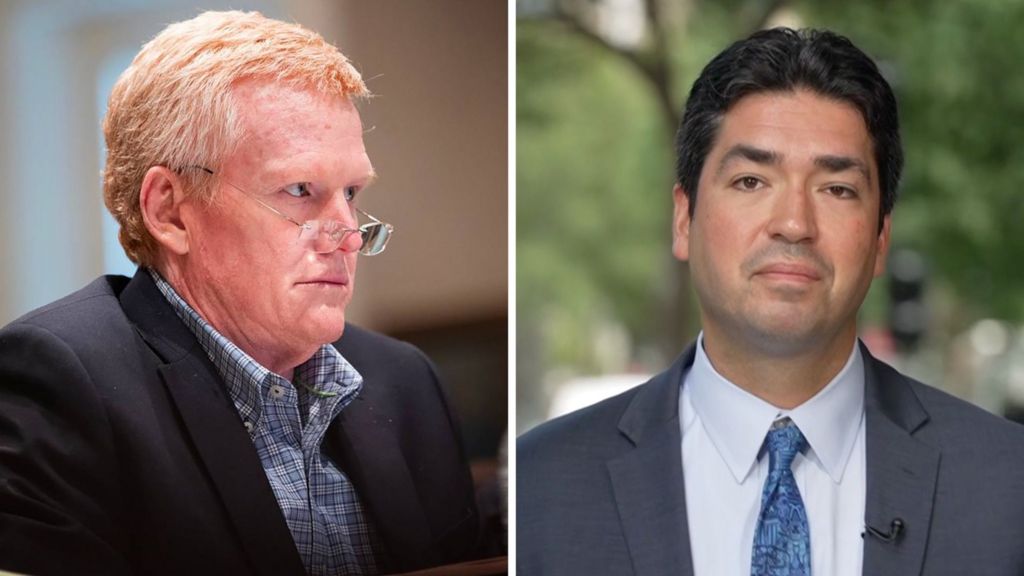
One of the highest-profile criminal cases in recent United States history has taken a dramatic legal turn: the South Carolina Supreme Court has overturned Alex Murdaugh’s convictions for the murder of his wife and son, and has mandated that he stand trial again. This unexpected development has drawn widespread attention to systemic questions about judicial conduct and the integrity of high-stakes criminal proceedings, with legal analysts and the public alike dissecting the ruling’s far-reaching implications.
Murdaugh, a former prominent personal injury lawyer from a powerful South Carolina legal dynasty, was found guilty in 2023 of murdering his wife Margaret “Maggie” Murdaugh and their 22-year-old son Paul Murdaugh at the family’s hunting estate in 2021. The trial captivated national media, shining a light on the decades-long influence of the Murdaugh family in South Carolina’s legal and political circles, as well as a web of financial fraud and alleged misconduct that had already entangled Alex Murdaugh. Following the guilty verdict, he was sentenced to two consecutive life terms in prison.
In his explanation of the court’s ruling, BBC correspondent Bernd Debusmann points to a key controversy that undermined the original trial: the misconduct of the lead law enforcement officer who led the investigation into the Murdaugh killings. The court found that the officer, who had been accused of multiple instances of corrupt and unethical conduct in other cases, failed to disclose critical information about his own history of problematic behavior to the defense during the original trial’s jury selection process. This failure, the supreme court ruled, violated Murdaugh’s constitutional right to a fair and impartial trial, a core protection in the U.S. criminal justice system.
The ruling has reignited debates across the country about the standards of conduct for law enforcement in high-profile cases, as well as the safeguards in place to prevent wrongful convictions. Legal experts note that the supreme court’s decision does not acquit Murdaugh of the murder charges; it simply orders that the case be retried with a new jury, free from the procedural irregularities that marred the first proceeding. As the legal process moves forward, the case continues to hold national attention, with observers waiting to see how the new trial will unfold and whether it will bring a definitive conclusion to a case that has already shaken South Carolina’s legal establishment to its core.