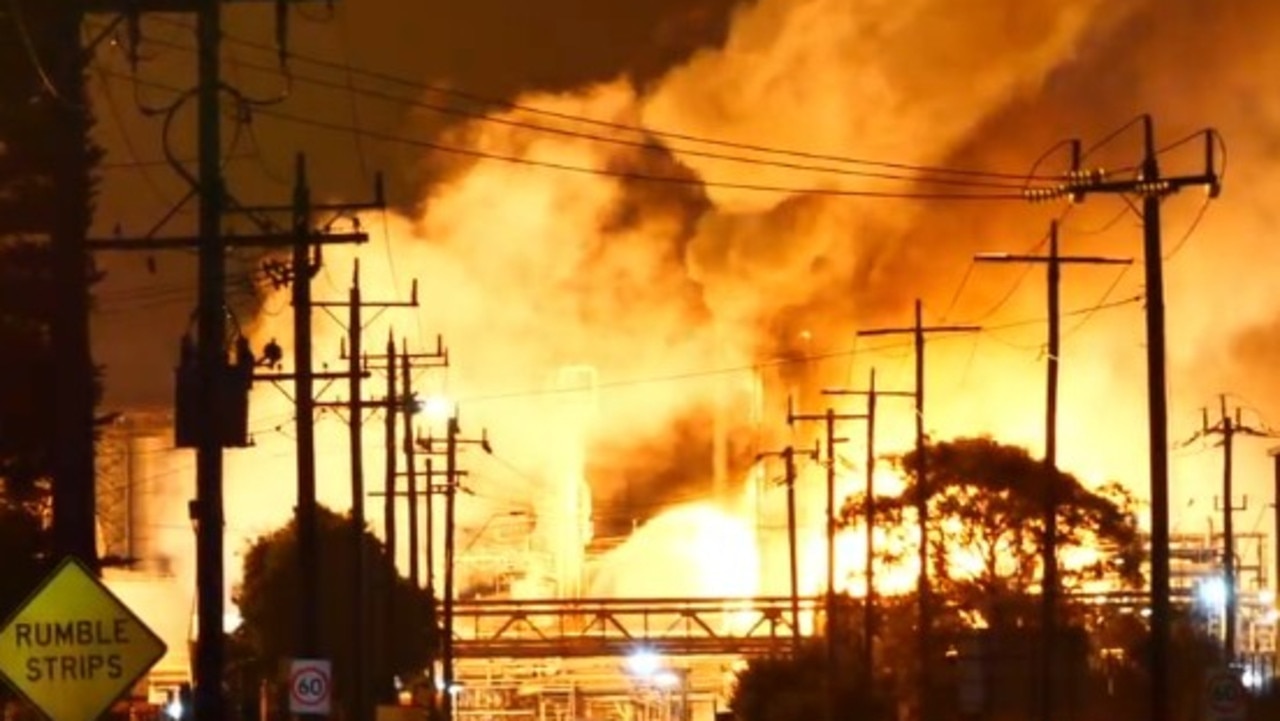
Weeks after a devastating blaze tore through one of Australia’s only two functional oil refineries, operator Viva Energy has issued a key progress update on recovery efforts, confirming full operations are on track to resume by the end of June.
The Geelong refinery, positioned on the shores of Corio Bay, suffered extensive damage when an equipment fault triggered a large fire on April 15. The incident immediately forced drastic production cuts and sparked widespread concern over national fuel security, coming at a moment when Australia’s supply chains were already strained by geopolitical conflict in the Middle East and ongoing disruptions to shipping through the Strait of Hormuz.
In a filing to the Australian Securities Exchange (ASX) on Monday, Viva Energy outlined that repair work has progressed smoothly with no unforeseen delays identified to date. Crews are currently targeting a six-week repair timeline. Once the damaged critical equipment is brought back online, the facility will immediately restore production to 90% of its total maximum capacity, with full output expected by the end of June.
Viva Energy confirmed it maintains sufficient stockpiles to meet customer demand across the country throughout the repair period, despite reduced output since the fire. Immediately after the blaze, the refinery adjusted production to 80% capacity for diesel and jet fuel, and 60% for petrol. The company noted it has already begun coordination with insurance providers to cover claims for property damage and business interruption losses, while a formal investigation into the exact root cause of the fire remains ongoing.
As a critical piece of Australia’s domestic energy infrastructure, the Geelong refinery accounts for 10% of the nation’s total fuel output, and supplies more than half of Victoria’s fuel demand. It has a maximum processing capacity of 120,000 barrels of crude oil per day and employs more than 1,000 local workers.
In the days following the fire, Prime Minister Anthony Albanese moved to reassure the public that the incident would not meaningfully alter Australia’s fuel supply outlook. Official government data from the Department of the Prime Minister and Cabinet, released on April 28, showed the country held enough reserves for 43 days of petrol, 33 days of diesel, and 28 days of jet fuel at that time, easing near-term market concerns.