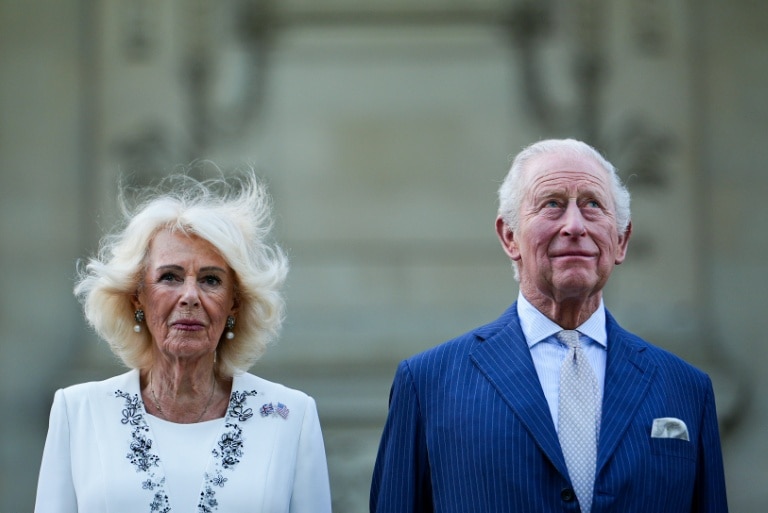
As the four-day state visit of Britain’s King Charles III and Queen Camilla to the United States enters its third day, the British monarch will center his Wednesday itinerary in New York on reinforcing the deep cultural and economic bonds that have long defined the UK-US relationship, at a moment when the two allies’ so-called “special relationship” faces growing friction. The visit, which opened in Washington D.C. with a warm formal greeting from President Donald Trump for the royal couple, has been overshadowed from the start by escalating tensions over the ongoing conflict involving Iran. The New York leg of the tour will kick off with a solemn act of commemoration: the King and Queen will lay a wreath at the 9/11 Memorial, marking 25 years since the 2001 terrorist attacks that claimed the lives of nearly 3,000 people. In an address to the U.S. Congress delivered the previous day, Charles reflected on the global impact of that tragedy, noting “This atrocity was a defining moment for America and your pain and shock were felt around the whole world.” He added, “We stood with you then. And we stand with you now in solemn remembrance of a day that shall never be forgotten,” framing his speech as a call for unified action among Western powers. Following the wreath-laying, Charles is set to meet with 9/11 first responders and family members of those killed in the attacks. A lifelong advocate for environmental action and sustainable land management, the King will then tour an urban sustainable farming initiative that combines food access work with youth mentorship to address systemic food insecurity in New York City. While the King visits the agricultural project, Queen Camilla will carry out a separate engagement at the New York Public Library, where she will mark the 100th anniversary of A.A. Milne’s beloved fictional character Winnie-the-Pooh. She is expected to present the library with a custom-made plush toy of Roo, Pooh’s young friend from the Hundred Acre Wood. Later in the day, King Charles will gather with transatlantic business leaders — including investors, startup founders and industry executives — at an event dedicated to highlighting the deep interconnectedness of the British and American economies. This engagement comes at a sensitive moment: just weeks earlier, Trump threatened to walk back a bilateral trade agreement that currently mitigates the impact of U.S. tariffs on British goods, in a rebuke of Prime Minister Keir Starmer’s refusal to back the U.S.-led war effort against Iran. The final public event of Charles’s New York schedule will be a reception celebrating the work of The King’s Trust, the monarch’s long-running youth charity, while also showcasing the output of British and American cultural industries. Tight security measures have been implemented across New York for the royal visit, coming just days after an alleged assassination attempt targeting Trump at a Washington D.C. press gala. Zohran Mamdani, New York City’s leftist mayor, will not hold a private meeting with the King but will join him for the 9/11 commemoration ceremony. So far, British officials have expressed satisfaction with the ceremonial welcome extended to Charles and Camilla during their time in the U.S., which has included a 21-gun salute, a military flyover by U.S. fighter jets, and a formal state banquet hosted at the White House. Trump has adopted a warm, jovial tone toward the royal couple, even joking that his Scottish-born mother had a teenage crush on Charles. This amicable tone stands in sharp contrast to Trump’s sharp public criticism of Starmer over the UK’s refusal to join the Iran conflict, a disagreement that created diplomatic friction in the lead-up to the state visit. In his landmark address to Congress — the first by a British monarch since Queen Elizabeth II spoke to the body in 1991, delivered amid celebrations of the 250th anniversary of American independence from British rule — Charles sought to smooth over existing disagreements between the two nations. “Whatever our differences, whatever disagreements we may have, we stand united in our commitment to uphold democracy,” he told assembled lawmakers. He emphasized that the modern UK-US partnership “was born out of dispute, but no less strong for it,” framing the alliance as resilient enough to withstand temporary policy rifts.