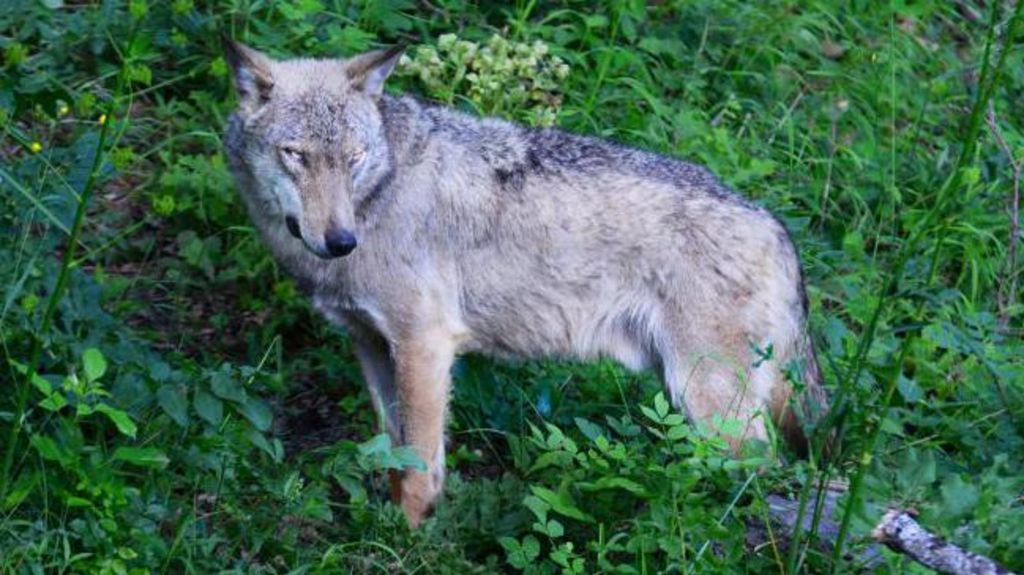
A devastating mass mortality event involving 18 wolves has rocked one of central Italy’s most biodiverse protected areas, triggering urgent investigations and widespread condemnation from environmental and government authorities. The deaths unfolded over just a few days in Abruzzo, Lazio, and Molise National Park, a protected reserve that spans three central Italian regions and is home to some of Europe’s most vulnerable wild species. Following the initial discovery of 10 wolf carcasses last week, stepped-up patrols uncovered an additional eight dead wolves in separate areas of the park.
Park officials confirmed last week that they had located traces of suspected toxic bait near the site where five of the first wolves were found, and the discovery of eight more bodies in surrounding zones has deepened what authorities call an overwhelming suspicion that intentional poisoning is the cause of the deaths. Investigators are currently working alongside local public prosecutors to pinpoint the source of the poison and identify those responsible. Initial findings from the local animal health research institute IZS have backed up park authorities’ suspicions: testing on 13 of the recovered carcasses confirmed the presence of agricultural pesticides, the same toxins linked to the suspected poisoned bait found in the park.
The severity of the incident has prompted national-level intervention, with Italy’s Environment Minister Gilberto Pichetto Fratin publicly denouncing the killings as horrendous and deeply alarming. Fratin emphasized that wolf conservation is not just an animal welfare issue, but a critical pillar of maintaining Italy’s natural ecosystem balance.
Italy’s national Institute for Environmental Protection and Research (Ispra) warned that this mass poisoning represents a major step backward for decades of progress in wolf conservation and protection across the country. The agency also noted that toxic bait laid for wolves poses a widespread threat beyond the targeted species, putting other protected wild animals, domestic pets, and even human public safety at grave risk.
Wolves have made a remarkable population recovery across Europe over the past decade: EU data shows the continent’s total wolf population grew 35% between 2016 and 2023, reaching roughly 23,000 individuals, with the largest populations concentrated in Central Europe and the Alpine regions. According to Ispra’s 2020-21 national census, Italy is home to approximately 3,300 wolves, making it one of the species’ key strongholds in Southern Europe.
This population growth has not been without conflict, however. As wolf ranges have expanded, reports of wolf attacks on domestic livestock have increased, with latest EU figures indicating around 65,500 livestock animals are killed by wolves across the bloc annually. In response to this growing tension, the European Union downgraded wolves’ protection status from “strictly protected” to “protected”, clearing the way for Italy to implement a limited annual cull of 160 wolves starting in 2026.
In the wake of this mass poisoning event, environmental conservation groups are now calling for that cull plan to be immediately revisited. Stefano Ciafani, head of Italy’s leading environmental organization Legambiente, described the deaths of 18 wolves as an unprecedented attack on protected wildlife, labeling the illegal killings an act of vigilante do-it-yourself justice. Ciafani also warned that the use of widespread poisoned bait puts other iconic at-risk species in the park in danger, including the Marsican brown bear — a critically endangered species that serves as a symbol of the Abruzzo region, with only around 50 individuals remaining in the wild.