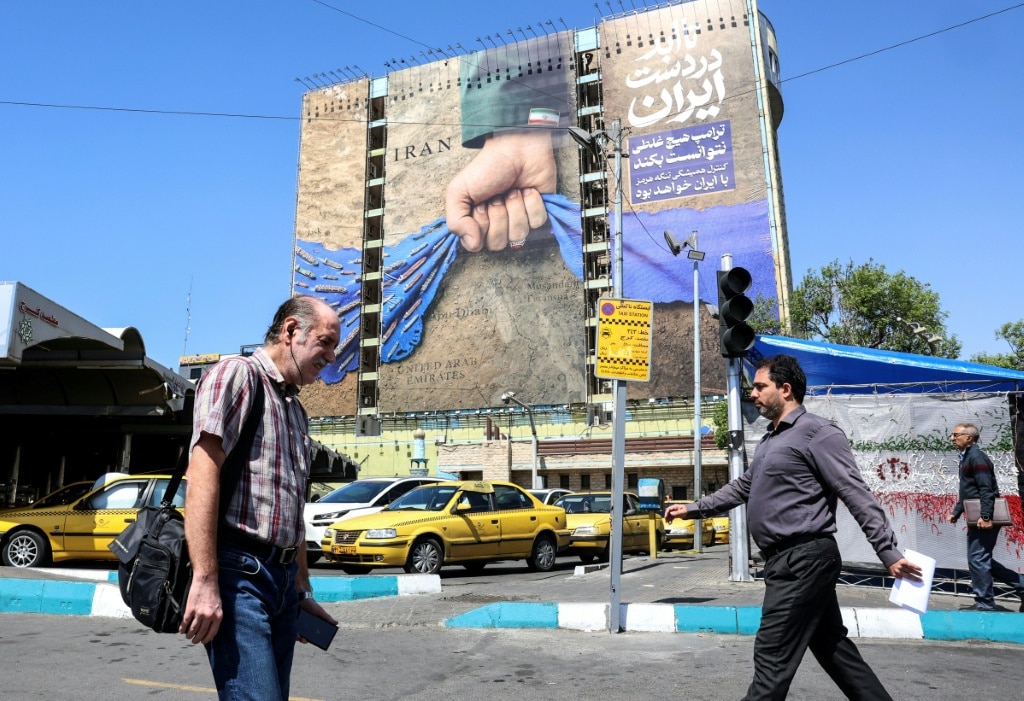
Diplomatic efforts across the Middle East have entered a critical new phase this week, with U.S. President Donald Trump signaling that a second round of nuclear negotiations with Iran could kick off as early as this week, even as Washington ramps up military pressure via a full naval blockade of Iranian maritime trade. The twin diplomatic pushes, which also include newly launched direct talks between Israel and Lebanon, remain deeply fragile, with ongoing clashes between Israeli forces and Iran-backed Hezbollah continuing to roil the border region and undermine ceasefire hopes.
Trump first revealed the timeline during an interview with the New York Post on Tuesday, telling reporters that negotiations would likely reconvene in Pakistan within the next 48 hours, following an inconclusive first marathon negotiating round that ended without a breakthrough. In a separate pre-recorded interview with FOX Business set to air Wednesday, the president went a step further, claiming the broader regional conflict was “very close to being over.” Senior diplomatic sources in Pakistan confirmed to AFP that Islamabad has been working behind the scenes to bring both delegations back to the table, as Pakistani Prime Minister Shehbaz Sharif launched a four-day diplomatic tour of Saudi Arabia, Qatar and Turkey to build regional support for the negotiations.
Parallel to the U.S.-Iran talks, a historic breakthrough occurred this week between Israel and Lebanon, which held their first direct high-level negotiation since 1993 at a face-to-face meeting in Washington mediated by U.S. Secretary of State Marco Rubio. The talks came after Lebanon was dragged into the wider conflict when Hezbollah launched attacks on Israel in solidarity with Iran, triggering a full-scale Israeli ground incursion into southern Lebanon and a sustained bombing campaign that has killed hundreds.
After the closed-door meeting, Israeli envoy Yechiel Leiter praised the gathering as a “wonderful exchange” between parties “united in liberating Lebanon” from Hezbollah. His Lebanese counterpart, Nada Hamadeh Moawad, struck a more measured tone, describing the discussion as “constructive” while noting she had pushed forcefully for an immediate ceasefire. The U.S. State Department confirmed in a post-meeting statement that “all sides agreed to launch direct negotiations at a mutually agreed time and venue,” though Israel remains adamant that it will not agree to a ceasefire that leaves Hezbollah’s military infrastructure intact. Israeli officials have repeatedly described the Iran-aligned group as the single greatest barrier to long-term stability along their northern border, and Israeli forces continue to occupy large swathes of southern Lebanon amid ongoing operations.
To pressure Tehran into making concessions at the negotiating table, the U.S. implemented a full naval blockade of Iranian ports this week, which U.S. Central Command announced Wednesday had been “fully implemented” and had “completely halted economic trade going into and out of Iran by sea.” However, independent maritime tracking data from Tuesday tells a more ambiguous story, showing multiple vessels departing Iranian ports and transiting the Strait of Hormuz despite the announced blockade.
The choke point has been closed to commercial oil traffic by Iranian forces since the start of the U.S.-Israeli offensive in late February, and hopes that a new negotiating round could lead to the strait reopening pushed global stock markets higher and pulled crude oil prices down on Tuesday. Analysts note that Trump’s pressure campaign targets not just Iranian oil revenue, but also China, Iran’s largest crude customer, with Washington hoping Beijing will use its influence to push Tehran into reopening the waterway. On Wednesday, Chinese President Xi Jinping hosted Russian Foreign Minister Sergei Lavrov in Beijing, with both leaders issuing a joint statement pledging to work together to push for de-escalation across the Middle East.
The core sticking point in U.S.-Iran talks remains the decades-long dispute over Tehran’s nuclear program. U.S. Vice President JD Vance confirmed Tuesday that the Trump administration has put a “grand bargain” on the table for Tehran: full sanctions relief and economic integration in exchange for permanently abandoning any pursuit of a nuclear weapon. Trump launched the current conflict earlier this year on the claim that Iran was rushing to complete an atomic bomb, an allegation that has never been corroborated by the United Nations’ nuclear watchdog agency. Iran has consistently maintained that its nuclear program is exclusively for civilian energy and medical purposes.
During the first round of talks in Islamabad, U.S. negotiators tabled a proposal demanding a 20-year suspension of all Iranian uranium enrichment activity. Iranian negotiators countered with an offer of a five-year suspension, which U.S. officials rejected out of hand. Speaking at a campaign event in Georgia Tuesday, Vance reiterated that Trump has offered Tehran a clear path: “If Iran commits to not having a nuclear weapon, the president has pledged to make Iran thrive. That’s the kind of Trumpian grand bargain that the president has put on the table. We’re going to keep on negotiating and try to make it happen.”
Despite the optimistic hints from Washington, the security situation remains volatile: Lebanese state media reported fresh Israeli airstrikes on areas south of Beirut Wednesday, while Hezbollah, which has publicly rejected any Lebanese-Israeli negotiations, launched a barrage of dozens of rockets into northern Israeli territory hours later. The U.S. has made ending the Hezbollah-Israel conflict a top diplomatic priority, fearing that a widening war could scuttle the existing two-week ceasefire with Iran and kill any chance of a broader nuclear settlement.