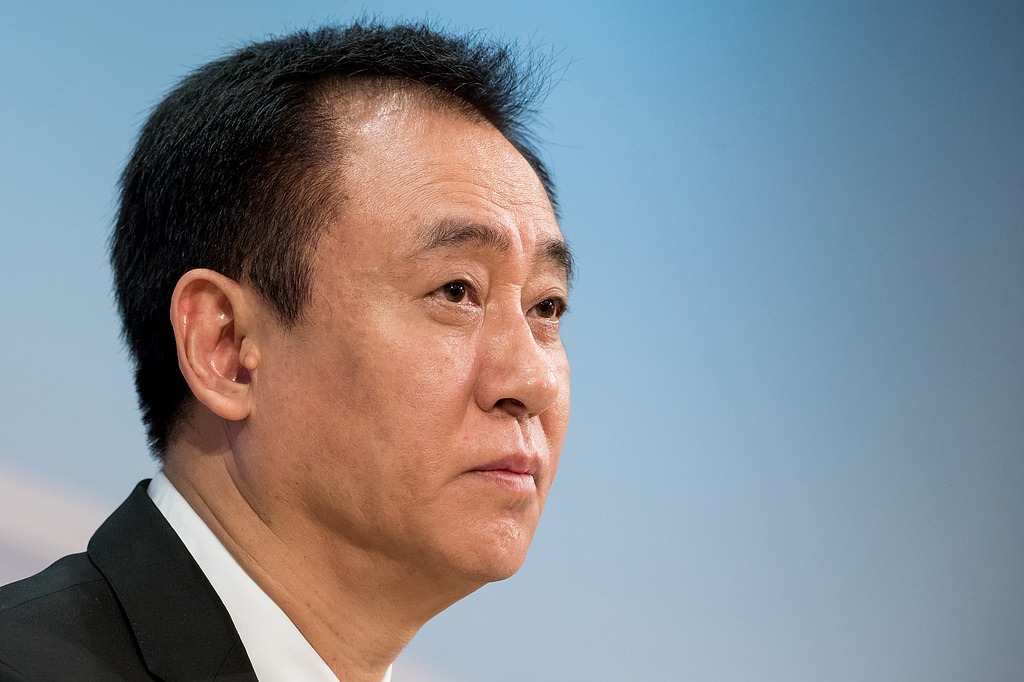
One of China’s most high-profile former business leaders has entered a guilty plea in a landmark financial corruption trial that carries major implications for the country’s years-long property sector restructuring. On Tuesday, the Shenzhen Intermediate People’s Court released an official statement confirming that Xu Jiayin, the founding former chairman of embattled real estate giant China Evergrande Group, pleaded guilty to a sweeping array of charges and expressed formal remorse for his actions during the two-day court proceeding held in Guangdong province.
The charges against Xu span seven distinct violations of Chinese law: illegal absorption of public deposits, fundraising fraud, unlawful loan issuance, fraudulent securities issuance, breach of mandatory information disclosure rules, embezzlement, and corporate bribery. Prosecutors also brought forward separate criminal charges against two core corporate entities under the Evergrande umbrella: Evergrande Group itself and Evergrande Real Estate Group, accusing the firms of committing offenses including fraudulent securities issuance and unlawful loan issuance.
Court officials confirmed that the judicial process followed full procedural requirements. Over the course of the trial, both prosecuting teams and defense legal representatives presented evidence, delivered legal arguments, and made closing statements. The proceeding was open to a range of observers, including national-level people’s congress deputies, members of the Chinese People’s Political Consultative Conference, family members of the defendants, and representatives of retail investors who hold stakes in the troubled developer. No further details on sentencing or corporate penalties have been issued, as the court announced that a formal verdict will be handed down at a later, unspecified date.
Xu, who built Evergrande from a small regional business into one of the world’s largest property developers after launching the firm in the 1990s, was once ranked among the wealthiest individuals in China. His rapid fall from grace began in 2023, when Chinese authorities launched a formal investigation into suspected illegal activity connected to Evergrande’s catastrophic collapse, which triggered more than $300 billion in unpaid debt and sent shockwaves through global markets. Ahead of the trial, authorities moved to seize or freeze a wide range of assets linked to Xu, including multiple companies controlled by his family and a number of personal overseas bank accounts.
The trial marks a key milestone in China’s campaign to root out financial misconduct in its $60 trillion property sector, which has faced widespread insolvency and systemic risk since 2021, when a wave of developer defaults exposed years of reckless borrowing and opaque corporate governance. Legal analysts note that the open, transparent nature of the trial — which included public observation and an official statement via the court’s social media channel — signals the Chinese government’s commitment to enforcing accountability for high-profile figures involved in sector-wide instability.