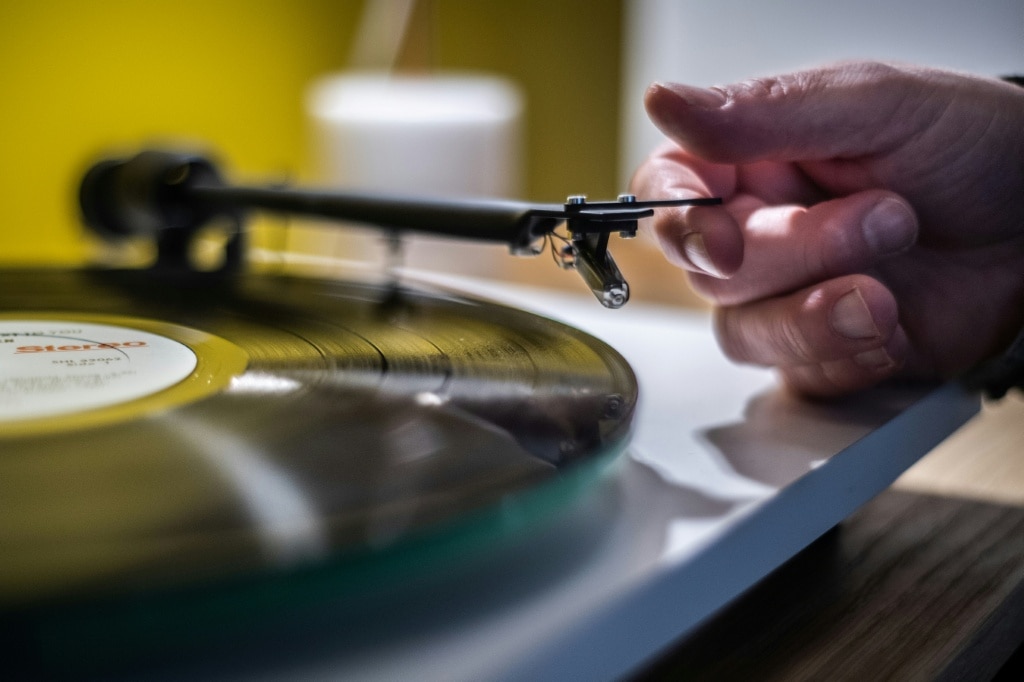
Across major cities from Paris to New York to London, a one-of-a-kind new nightlife concept is rapidly growing in popularity, offering music lovers a radically different alternative to crowded club nights and noisy gig venues: the ‘listening bar.’ Born from Japan’s iconic cozy jazz kissa culture, this trend prioritizes high-fidelity audio quality that allows audiences to connect with recorded music in a way that modern streaming and cheap portable audio gear rarely can.
The core of every authentic listening bar is an investment in top-tier audio equipment purpose-built to deliver unparalleled sound. At Listener, a popular venue in central Paris, co-founder Jerome Thomas notes the underground soundproof listening room boasts a system that retails for roughly €200,000, featuring handcrafted speakers from niche Greek manufacturer Tune Audio. The result is an audio experience that reveals hidden layers of familiar recordings: crisp, clear treble and rich, resonant bass that listeners can feel in their chest.
Venues split into two broad models to suit different guest preferences. Some focus on active listening sessions, where guests pay admission to gather in a quiet, acoustically treated space, with full attention directed to the music and the sound system. Others pair high-quality audio with a more traditional social setting, allowing guests to enjoy drinks and conversation with elevated music as a backdrop. Many venues stick to vinyl records, rather than compressed digital streams, and rely on high-end cabling and tube amplifiers to maximize audio quality, though some use premium lossless streaming services like Tidal or Qobuz for digital offerings.
For regular guests, the experience fills a gap left by modern music consumption habits. Thirty-one-year-old Camille Calloch, who recently attended a dedicated listening session focused on British neo-soul artist Sampha at Listener, explained the concept has become a core part of how she enjoys music. “It really makes you listen to every word, every instrument, every note,” she said, adding that it complements other experiences from concert attendance to personal headphone listening.
Thomas, a former medical industry worker, says the most rewarding part of running his venue is watching guests rediscover music they have loved for years. “They come to me saying ‘I thought I knew that track by heart, I’ve been listening to it for 15 years, but I heard new instruments, I could hear the mix from the sound engineer’,” he shared. The trend directly pushes back against the low-quality compressed audio that defines most modern listening: while recorded music is more ubiquitous and portable than ever, most consumers stream compressed tracks through Bluetooth headphones or cheap portable speakers, losing much of the detail captured in the original recording.
The boom in listening bars also comes as traditional nightlife shifts. Many cities have seen a steady decline in club attendance, driven by soaring commercial rent costs and changing leisure preferences among younger generations. In contrast, the listening bar scene is expanding exponentially. Dan Wissinger, co-owner of Eavesdrop, a Brooklyn listening bar that opened in 2022, says growth in the sector has been explosive in recent years. Wissinger notes that proper acoustic treatment is a non-negotiable for any legitimate listening bar: “If they don’t have acoustic treatment, then they’re just fake listening bars. In a hospitality space, if you don’t have good damping, you’re not going to be hearing music first.”
London’s fast-growing scene includes both long-running European pioneers like Brilliant Corners and new entries from major hospitality brands. One of the newest additions is Hidden Grooves, launched by the Virgin Hotels group at its Shoreditch location. The venue curates a collection of 5,000 vinyl records, worked with London-based sound engineering firm Project Audio (which has designed systems for top Ibiza clubs) to tune the space, and installed £50,000 Tannoy speakers from the 100-year-old British audio manufacturer. Neil Aline, Virgin’s head of cultural entertainment and a former DJ, first fell in love with the concept while touring in Japan, where the original jazz kissa bars invented the intimate, music-focused model. “If I’m going out to experience music, the concept of a good listening bar checks all the boxes for me,” Aline said. “As a music lover, it’s a whole different way of experiencing music outside of live venues or clubs.”