The 2026 FIFA World Cup, the world’s biggest football tournament, has sparked a growing political controversy in the United States over proposed public transport fare hikes that would charge visiting fans and local commuters exorbitant prices to reach match venues. On Tuesday, Senate Minority Leader Chuck Schumer, a leading New York Democratic lawmaker, became the most prominent voice calling on football’s global governing body to cover all public transit costs tied to the tournament, arguing the multi-billion dollar organization should not pass its hosting expenses onto local communities.
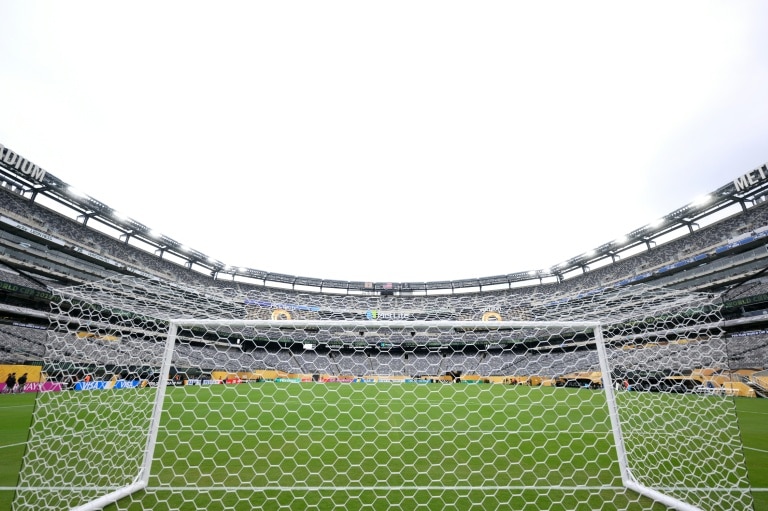
Schumer’s public call to action came in response to an exclusive report first published by sports outlet The Athletic, which revealed that New Jersey Transit, the state’s main public transit agency, was considering charging fans more than $100 for a single round-trip ticket between Manhattan’s Penn Station and MetLife Stadium in East Rutherford, New Jersey. MetLife Stadium is set to host eight World Cup matches, including the tournament’s final on July 19, making it one of the most high-profile venues in this summer’s iteration of the World Cup.
For context, a standard off-event round-trip ticket on the same route currently costs just $12.90, meaning the proposed hike would represent a more than 675% increase over regular fares. Schumer took to social media platform X to outline his argument, noting that FIFA projects it will earn a record $11 billion in total revenue from the 2026 tournament. “FIFA is set to reap nearly $11 billion from this summer’s World Cup, yet New York area commuters and residents are being handed the bill,” Schumer said in his statement. “The least FIFA can do is ensure New York residents can go to the stadium without being gouged at the turnstile. I am demanding FIFA step up and cover transportation costs for host cities and states. New York commuters and residents should not subsidize an $11 billion windfall.”
Schumer was not alone in criticizing the proposed fare increases. New York Governor Kathy Hochul also joined the pushback, saying that exorbitant transport costs run counter to the goal of making the World Cup accessible to all fans. “The World Cup should be as affordable and accessible as possible,” Hochul wrote on X. “Charging over $100 for a short train ride sounds awfully high to me.”
When contacted by Agence France-Presse for comment on the controversy, NJ Transit did not issue an immediate response. The Athletic had previously obtained an official statement from an agency spokesperson noting that no final pricing decision has been confirmed. “The ticket prices for match day travel have not been finalized and any reference to cost would be unconfirmed speculation,” the spokesperson told the outlet. Still, unnamed NJ Transit sources cited by The Athletic estimate that arranging extra transit services for the eight matches at MetLife Stadium will cost the agency approximately $48 million, creating a major budget shortfall that officials are looking to offset.
New Jersey Governor Mikie Sherrill has already ruled out using state taxpayer funds to cover the additional costs. “We are not going to be paying for moving the people who are viewing the World Cup on the back of New Jersey taxpayers and New Jersey commuters,” Sherrill said Monday, leaving agency officials looking for alternative ways to cover the costs.
The transit fare controversy is not limited to New Jersey. Earlier this month, officials in Massachusetts confirmed that the Massachusetts Bay Transportation Authority will charge $80 for a round-trip ticket from downtown Boston to Gillette Stadium, which is hosting multiple World Cup matches. That price marks a 300% increase over the standard $20 off-event fare, highlighting a nationwide trend of host transit agencies looking to pass extra World Cup costs onto fans. As of Tuesday, FIFA has not issued a public response to Schumer’s demand to cover the transit costs.