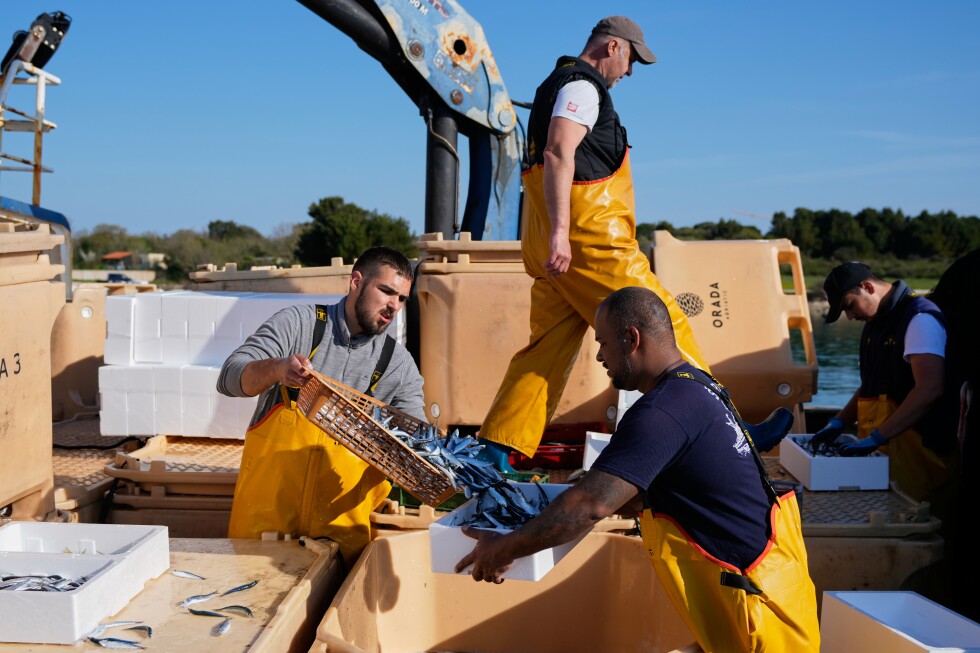
Along the sun-drenched Adriatic coast of Croatia, where turquoise waters meet rolling Istrian peninsulas, 55-year-old fisherman Marijan Jakopovic continues the daily routine he has kept for three decades: readying his vessel and casting nets as dusk falls. But this year, the generational trade he inherited has grown more punishing than ever, as cascading crises driven by geopolitical conflict push Croatia’s small-scale commercial fishing sector toward collapse.
The root of the latest crisis traces back to the ongoing war in Iran, which has sent global energy prices soaring. For Croatia’s fishermen, who rely on discounted “blue diesel” reserved exclusively for agricultural and maritime fishing work, the spike has been staggering: official data shows the price of this specialized fuel jumped 70% in just one month, climbing from €0.80 ($0.94) per liter on March 8 to €1.36 ($1.59) per liter by April 7. While the Croatian government imposed an emergency temporary price cap to stem the surge, senior Ministry of Economy official Vedran Spehar confirmed that even with intervention, prices have risen dramatically; without government action, Spehar noted, blue diesel would have hit at least €2 ($2.34) per liter, though state intervention did prevent widespread supply shortages.
Croatia, which joined the European Union in 2013 and adopted the euro as its currency in 2023, was already grappling with steep economic pressure long before the latest Iran-driven fuel spike. The economic fallout from the war in Ukraine pushed energy and food costs upward across the bloc, and Croatia currently holds the unenviable title of having the EU’s highest annual inflation rate at 4.8%. The euro adoption transition itself also coincided with broad-based price increases across nearly every domestic sector, squeezing household and business budgets alike.
For fishermen like Jakopovic, the fuel price surge is the final straw added to a web of long-standing challenges that have eroded profit margins for years. As an EU member, Croatia adheres to the bloc’s strict sustainable fishing regulations, which include seasonal catch bans, species-specific limits, and large protected marine zones designed to reverse declining fish populations and preserve endangered species. While these rules are critical for long-term ecological health, they have forced commercial fishermen to travel much farther from shore to reach legal fishing grounds, increasing their time at sea and overall fuel consumption—creating a vicious cycle of rising costs that many can no longer outrun.
Compounding these structural pressures is the influx of cheap frozen seafood imports that have undercut domestic fishermen’s pricing, all while Croatia’s booming coastal tourism industry, which drew more than 20 million visitors in 2023, has failed to translate to higher earnings for local fishing crews. Even though local fishermen are the primary suppliers of fresh fish to the restaurants and markets that cater to summer tourists, their operating costs now far outpace the revenue they earn from their catch. Jakopovic explains that depending on vessel size, some fishermen now spend up to 70% of their total gross income on fuel alone, before covering expenses for crew wages, boat maintenance, and fishing equipment.
With costs spiraling, fishermen are warning that a further escalation of the Iran conflict, which could lead to another round of fuel price surges if planned ceasefire talks fail, would push many operations into insolvency. “This is turning into an almost hopeless situation,” Jakopovic says of his small Lanisce village fishing community on the Istrian Peninsula. “We don’t know how much longer we will be able to keep working.”
The ripple effects of the crisis are already set to impact consumers across Croatia, with higher fresh fish prices likely to hit markets and restaurants in 2024. Almira Raimovic, a former fisherman turned vendor at Pula’s central market, who now repurposed her old fishing boat for more profitable tourist excursions, says higher fuel costs will force fishermen to pass price increases up the supply chain. She predicts that Mediterranean consumers, who have long centered fresh seafood in their diets, will shift their purchasing habits toward cheaper small species like sardines and anchovies as premium fresh catches become unaffordable.
Raimovic emphasizes that the impact will extend far beyond the fishing sector, adding to already high living costs across the country: “Rising fuel prices will affect everyone, inflating the cost of living and of food across all sectors, not just fishing.”
The crisis is not unique to Croatia: neighboring countries in the Adriatic region have also faced similar pressure on their fishing industries, even with state subsidies and price caps in place to offset fuel costs. For thousands of Croatian fishermen whose families have worked the Adriatic for generations, the coming months will determine whether the centuries-old trade can survive the dual pressures of geopolitical volatility and the long-term structural challenges of EU-regulated fishing.