A 14-day temporary ceasefire between the United States and Iran has sparked cautious hope across the African continent, where policymakers and geopolitical analysts are framing the agreement as a make-or-break trust-building exercise that could reshape global energy security and economic stability for many African nations.
African heads of state and continental institutions have broadly welcomed the pause in hostilities, which comes after weeks of escalating tensions between the two powers that sent shockwaves through global energy markets. For African economies, a durable end to Middle East hostilities would bring much-needed relief: it would stabilize disrupted fuel supply chains, ease upward pressure on already volatile commodity prices, and prevent further damage to key international trade routes that underpin African trade activity.
Yet cautious optimism has been tempered by sharp warnings over the ceasefire’s inherent fragility, coming on the heels of a deadly Israeli air strike in Lebanon that killed more than 200 people just one day before the truce took effect. Analysts warn that escalating violence in connected regional conflict zones could derail the fragile agreement before confidence-building can take root.
Gordon K’achola, founder of the Africa Center for Diplomatic Affairs, emphasized that the two-week truce fills a critical role as a preliminary confidence-building step to test whether Washington and Tehran are willing to work toward a long-term, sustainable settlement after weeks of market-rattling tension. “The 14 days are a trust-building exercise for both sides,” K’achola explained. He added that while the temporary truce creates a vital opening for diplomatic negotiations, its ultimate success hinges on full commitment to halting hostilities from all parties embedded in the broader Middle East conflict. “You can’t have a halfway ceasefire. If it is a ceasefire, it has to be implemented in full,” K’achola said, noting that continued fighting in Lebanon or other regional hotspots could erode faith in the diplomatic process almost immediately.
For African nations, particularly the continent’s large group of net oil-importing countries that have faced months of fuel supply uncertainty, the ceasefire already offers a degree of much-needed economic relief. Beyond the immediate truce, K’achola argued the entire crisis has served as a critical wake-up call for African governments: he urged leaders to accelerate efforts to diversify their national energy portfolios and scale up investment in domestic renewable energy capacity, to insulate African economies from future geopolitical shocks originating in global energy markets.
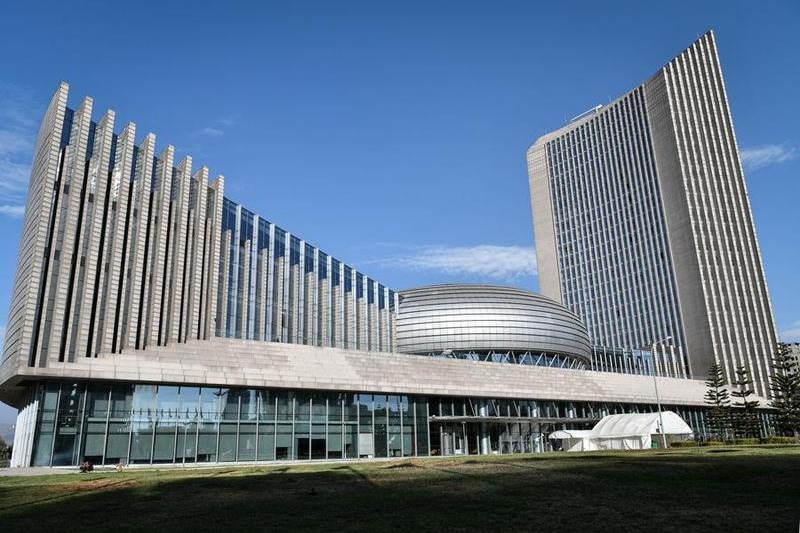
The African Union released a formal statement on Wednesday affirming that the truce creates a rare opening to de-escalate broader Middle East tensions and reduce the harmful cross-border spillover effects that have already driven sharp increases in fuel and commodity prices across most African countries. The bloc also openly praised the diplomatic work of regional and international mediators who negotiated the terms of the ceasefire.
African Union Commission Chairman Mahmoud Ali Youssouf noted that sustained, inclusive dialogue remains the only path to locking in the tentative progress achieved through the truce, stressing that only continued diplomatic engagement can deliver a durable, comprehensive peace agreement. South African President Cyril Ramaphosa joined in welcoming the ceasefire, calling it an essential milestone toward rebuilding long-term regional stability in the Middle East. “We further call on all countries to respect international law and sovereignty and the territorial integrity of all nations,” Ramaphosa said.
Egyptian President Abdel Fattah El-Sisi also issued a statement Wednesday welcoming the ceasefire, calling on negotiating parties to work toward a permanent agreement that would bring the broader conflict to a close. He expressed hope that the temporary pause in fighting would pave the way for a lasting settlement that restores full security and stability to the Middle East region, and unlock progress toward the development and prosperity that the region’s people have long aspired to.
Looking ahead, K’achola noted that the next two weeks will be a decisive period that will determine whether the tentative ceasefire can evolve into a formal, sustainable peace process. “Every party in this negotiation must walk out feeling that they have had a victory. It has to be a careful give-and-take if this ceasefire is to hold,” he said.