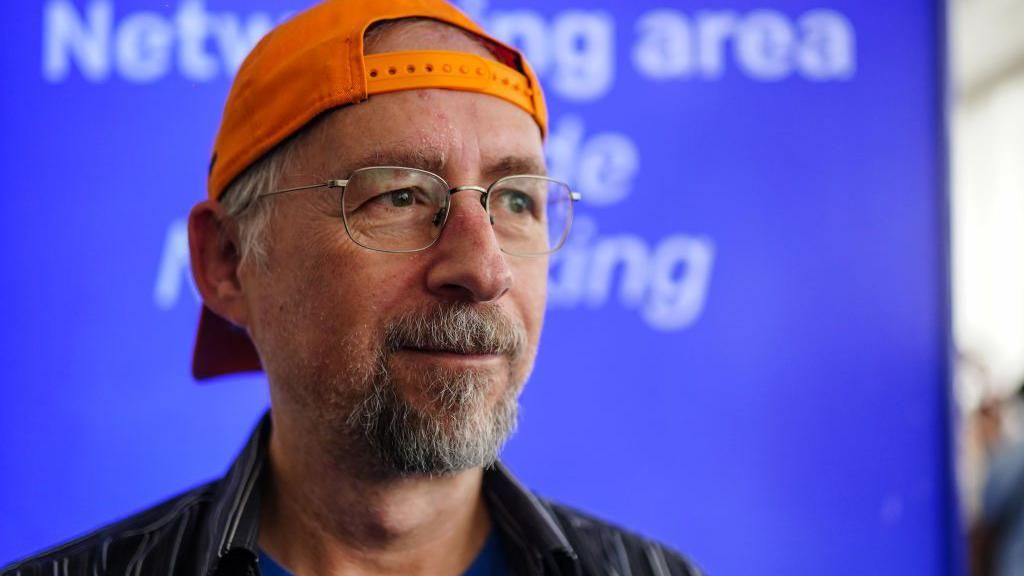
One of the crypto world’s most enduring unsolved mysteries has reignited after a high-profile New York Times investigation recently named British Bitcoin entrepreneur and developer Adam Back as the anonymous inventor of Bitcoin, known only by the pseudonym Satoshi Nakamoto. Back has publicly and firmly rejected the claim, dismissing the publication’s findings as a classic case of confirmation bias.
In a post shared on X with the BBC, Back clarified his position in the Bitcoin ecosystem: “I’m not satoshi, but I was early in laser focus on the positive societal implications of cryptography, online privacy and electronic cash.”
The 11,000-word feature from reporter John Carreyrou laid out several pieces of circumstantial evidence linking Back to Satoshi Nakamoto, including linguistic similarities between Back’s old emails and online posts and the writing style of the person behind the Satoshi pseudonym. The article also noted a correlation between Back’s online activity gaps and the timeline of Satoshi’s sudden disappearance from public crypto forums shortly after Bitcoin’s foundational white paper was published in 2008. The report claimed Back was absent from Bitcoin discussion boards during Satoshi’s most active period, only to reemerge after Satoshi vanished.
Back pushed back against each of these claims directly. He countered that he was an active contributor to early Bitcoin forums, saying he actually “did a lot of yakking” on the platforms during the period in question. The remaining evidence cited by the New York Times, he argued, is nothing more than “a combination of coincidence and similar phrases from people with similar experience and interests.” Back also joked about his own relatively small Bitcoin holdings, writing online: “Kicking myself for not mining in anger in 2009.”
The global fascination with Satoshi Nakamoto’s identity stems not just from the mystery itself, but from the enormous fortune the inventor is believed to hold. Satoshi mined more than 1 million Bitcoins in the early days of the cryptocurrency, when mining was far less competitive. That holding accounts for roughly 5% of the total 21 million Bitcoins that will ever exist, and at current market prices, the stash is valued at approximately $70 billion — enough to place Satoshi among the 20 wealthiest people on the planet.
This recent accusation against Back is far from the first time someone has been publicly “unmasked” as Satoshi Nakamoto, and nearly all prior claims have been denied or disproven. In 2014, Newsweek magazine identified Japanese-American engineer Dorian Nakamoto as Bitcoin’s creator, a claim he immediately denied that has since been fully debunked. In 2015, two tech outlets Wired and Gizmodo pointed to Australian computer scientist Craig Wright, who later went so far as to claim publicly that he was Satoshi. After years of legal wrangling and unsubstantiated assertions, a UK High Court judge ruled Wright was not Satoshi Nakamoto — and Back himself testified as a witness against Wright’s claims during the proceedings.
More recent attempts to name Satoshi have also fallen flat. In 2024, an HBO documentary named Canadian crypto expert Peter Todd as the inventor, a claim Todd called “ludicrous” and backed up with evidence discrediting the accusation. Just months later, a British man named Stephen Mollah held a London press conference to claim he was Satoshi, but his assertion was widely dismissed by the crypto community.
For many core members of the Bitcoin community, the anonymity of Satoshi Nakamoto is not just a random curiosity — it is a core part of Bitcoin’s ideological identity as a decentralized, leaderless digital currency unconnected to any single person or institution. Back echoed this widely held view in his recent comments, writing that he does not know who Satoshi Nakamoto is, and “I think it is good for bitcoin.”