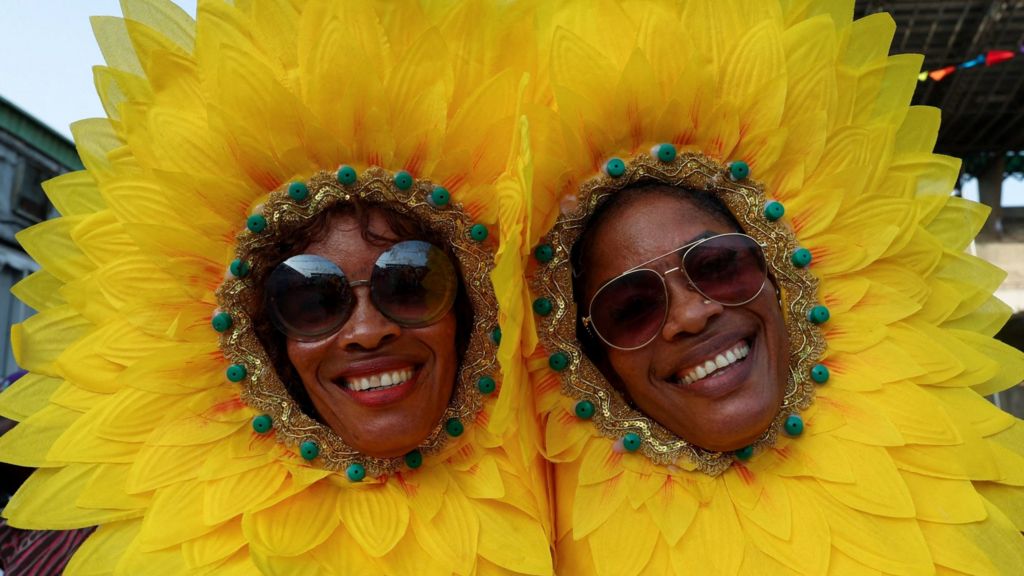
On a bustling Monday this April, the streets of Nigeria’s Lagos Island transformed into a vibrant tapestry of color, sound, and celebration as the annual Fanti Carnival kicked off its 2026 iteration. For over two centuries, this beloved festival has turned Lagos’ central financial hub into a stage for cultural joy, drawing attendees from across the country and beyond to honor a unique shared history.
The roots of the Fanti Carnival stretch back to the 19th century, when hundreds of formerly enslaved Africans and their descendants chose to resettle on the African continent after generations living in Brazil and Cuba. Many of these Afro-Brazilian returnees put down roots on Lagos Island, bringing with them a rich tapestry of new cultural traditions, performance styles, and community practices that had evolved during their time in the Americas.
Over decades, these imported customs blended seamlessly with the longstanding cultural traditions of Nigeria’s majority Yoruba people, giving birth to a one-of-a-kind celebration that cannot be traced to either origin alone. As carnival organizers put it, the Fanti Carnival is “neither wholly Brazilian nor wholly Yoruba, but entirely its own.”
This year’s event lived up to its storied reputation, featuring a packed lineup of spectacles that wowed onlookers. Booming live musical performances echoed between island buildings, while elaborately costumed stilt walkers danced through crowds alongside ornately decorated horses and giant, vibrant dragon displays. Seven historic community associations, each rooted in a different neighborhood of Lagos Island, have carried the responsibility of organizing and sustaining the carnival for generations, with each group identifiable by its own distinct signature color palette. The Lafiaji association, for example, sticks to a iconic red and white color scheme that sets its participants apart during processions. One attendee even designed a custom eye-catching outfit emblazoned with the names of all seven organizations to honor their work.
For attendees, the carnival is far more than just a street party: it is a vital link to shared history that must be preserved for future generations. “I love the energy, the artistic splendour, the creativity” of the event, Glamour Sandra, a first-time attendee, told the Associated Press on the sidelines of the parade. Longtime participant Ademola Oduyebo emphasized the cultural importance of the annual gathering, noting: “It is important that we preserve this, so that… generation after generation everybody will get to understand the importance of this and how Brazilians and Lagos came to be.”
That commitment to intergenerational transmission was on clear display Monday, as dozens of children and teenagers joined the processions, decked out in handcrafted creative costumes that reflected the event’s traditions. After days of celebration wrapping up this week, organizers have already confirmed that the beloved festival will return to Lagos Island next April, continuing a legacy that has endured for more than 200 years.