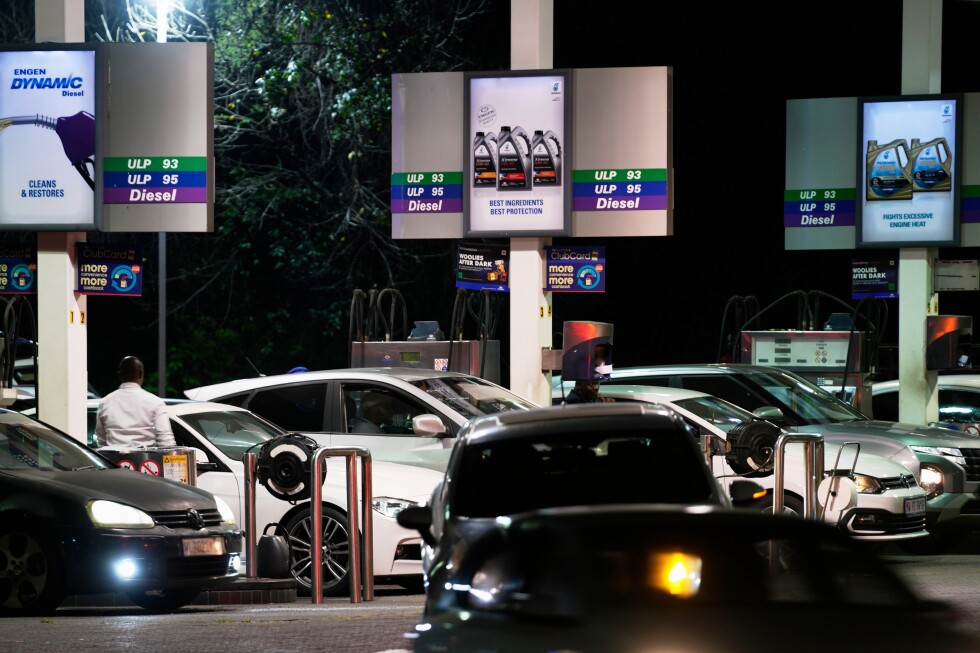
JOHANNESBURG – Chaos unfolded at fuel stations across South Africa on Tuesday, as tens of thousands of motorists rushed to fill their tanks ahead of midnight, when historic, record-breaking fuel price increases were set to take effect. The skyrocketing prices have been traced directly to ongoing global market volatility sparked by the Iran conflict, which has sent international oil prices swinging sharply upward in recent weeks.
In a last-minute effort to soften the blow for consumers, South African Finance Minister Enoch Godongwana announced a 3 rand ($0.18) per liter cut to the national fuel levy earlier the same day. Even with this government intervention, the planned price adjustments remain the steepest in the country’s modern history: diesel prices will jump by 7.51 rand ($0.44) per liter, while gasoline prices will rise by 3.06 rand ($0.18) per liter. The unprecedented diesel hike, the largest single increase ever recorded in South Africa, has already sent ripples of anxiety through the southern African economy.
By Tuesday evening, the panic buying had already drained supplies at multiple outlets. Numerous stations in eastern Johannesburg had already sold out of both diesel and gasoline, turning away waiting motorists. Other locations only had limited gasoline stocks left, forcing drivers searching for diesel to leave empty-handed. Long, visible queues formed at any station that still had fuel available for sale. Some stations across the country have already introduced rationing measures, limiting individual motorists to purchases of between 30 and 50 liters per vehicle to stretch dwindling supplies, while broader distribution network delays and operational bottlenecks have worsened the existing shortage.
Godongwana acknowledged that the ongoing Middle East conflict has created significant instability in global energy markets, which has directly translated to upward pressure on domestic fuel prices in South Africa. The temporary one-month fuel levy cut, implemented for April, will cost the national government an estimated 6 billion rand (more than $351 million) in lost tax revenue, as the country looks to absorb some of the shock that would otherwise fall fully on consumers.
Economic analysts warn that even with the government’s intervention, the price hikes will carry severe consequences for households and the broader economy. “Even after the fuel levy reduction, these are the largest increases in recent history, and they would be devastating for consumers,” explained Theuns Du Buisson, an economic researcher at the Solidarity Research Institute. Du Buisson noted that the massive diesel increase in particular will send logistics and transportation costs soaring, which will in turn push overall inflation higher in the coming months.
Low-income households are expected to bear the brunt of these increases, Du Buisson added, since the vast majority of South Africans rely on public transit – primarily minibus taxis and buses – which will almost certainly raise fares to offset higher fuel costs. The impact was already visible on Tuesday, when the Pretoria city municipality confirmed that local bus service had been disrupted after fuel shortages emptied storage tanks at the city’s bus depots.
The Iran conflict has already rippled across global energy and financial markets, with multiple other countries facing similar fallout. Haiti has implemented new austerity measures in response to Iran conflict-driven oil price surges and supply chain disruptions, and the European Union has warned that global oil and gas prices are unlikely to return to pre-conflict levels even if hostilities end in the near term.