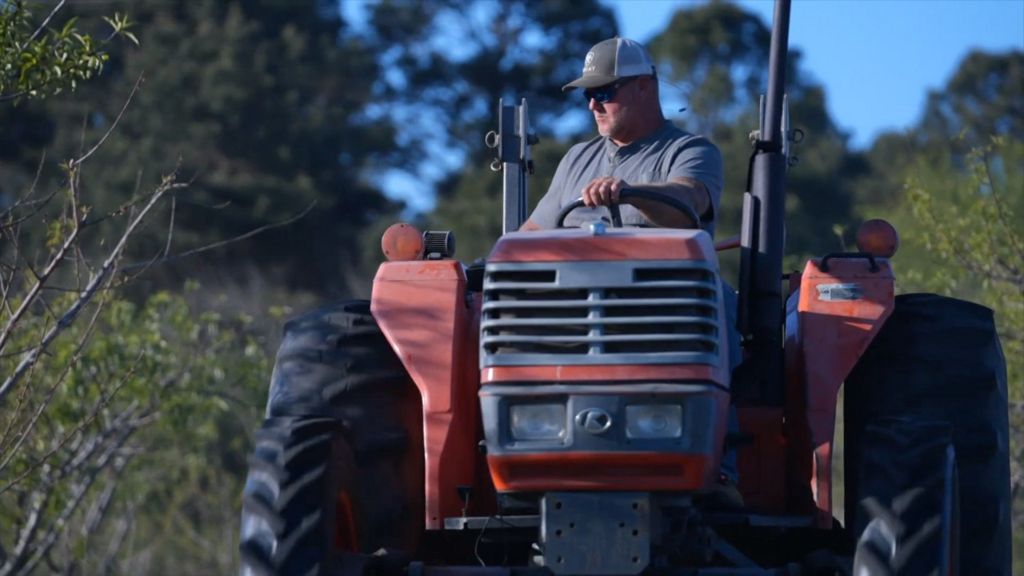
As military tensions and ongoing conflict in Iran continue to roil global markets, American agricultural producers across the country are confronting mounting financial strain that threatens their bottom lines and long-term operational stability. One of the most immediate and visible impacts of the geopolitical unrest has been a sharp upward swing in global energy prices, a development that hits farming operations particularly hard. Fuel for tractors, irrigation equipment and transport trucks, along with petroleum-based inputs like fertilizers and pesticides, have all jumped in cost in lockstep with rising crude oil prices tied to the Middle Eastern instability. \n\nDuring on-the-ground reporting from rural Alabama, BBC correspondent Gary O’Donoghue sat down with one local farmer to discuss how the conflict’s ripple effects are reshaping his day-to-day operations and financial outlook. Despite facing significant growing cost pressures that have eaten into his expected annual profits, the agricultural producer confirmed he remains a staunch supporter of former President Donald Trump’s foreign and domestic policy agenda, aligning himself with the administration’s approach to Middle Eastern relations even as it creates direct financial hardship for his operation. \n\nAgricultural economists note that U.S. farmers are already navigating a host of interconnected challenges, from volatile commodity prices to ongoing trade disputes and extreme weather events linked to climate change. The added cost shock from the continuing Iran conflict has created an extra layer of uncertainty for an industry already operating on thin profit margins, with many small-scale independent producers particularly vulnerable to sudden input price swings. While larger agribusiness operations may have more financial buffer to absorb the short-term costs, small family farms like the one interviewed in Alabama often lack the capital reserves to offset sustained price increases, raising concerns about potential long-term consolidation in the U.S. farming sector if the conflict in Iran drags on.