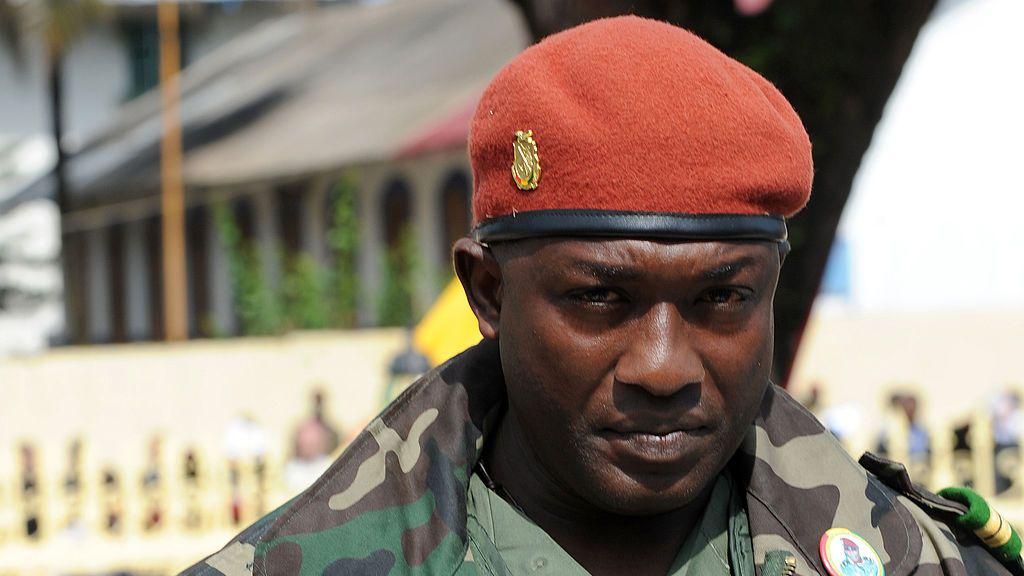
Aboubacar Sidiki Diakité, a central military commander convicted for crimes against humanity during Guinea’s 2009 stadium massacre, has died while serving his prison sentence. The controversial figure, widely known by his alias Toumba, passed away early Wednesday at Samory Touré Military Hospital in Conakry following a medical emergency characterized by gastric complications including severe abdominal pain and constipation.
Diakité was serving a decade-long sentence for his role in one of Guinea’s most traumatic historical episodes, where security forces under his command opened fire on tens of thousands of pro-democracy protesters gathered at a Conakry stadium on September 28, 2009. The brutal crackdown resulted in over 150 fatalities and the documented rape of at least 109 women during the demonstration against military rule.
Despite incarceration, Diakité remained politically active, forming a political party and attempting to launch a presidential campaign that was ultimately blocked by Guinea’s Supreme Court due to his criminal status. As commander of the presidential guard, he had been a key ally to former military ruler Moussa Dadis Camara, who himself was convicted and sentenced to 20 years imprisonment for crimes against humanity in 2024, though controversially pardoned for health reasons less than a year into his term by current leader Mamady Doumbouya.
Diakité’s complex history includes fleeing Guinea after being accused of attempting to assassinate Camara shortly after the massacre, living under assumed identity in Senegal until his 2016 arrest and subsequent extradition. His death has sparked mixed reactions across Guinea, where the 2009 violence remains a politically sensitive subject with many victims still awaiting comprehensive justice.
Political analysts describe his passing as symbolizing ‘the end of an era,’ noting that crucial testimony about the stadium events may have died with him. The incident underscores persistent tensions within Guinea’s political landscape, where former military figures maintain influence and accountability for historical abuses remains inconsistently addressed despite the country’s formal return to civilian governance.