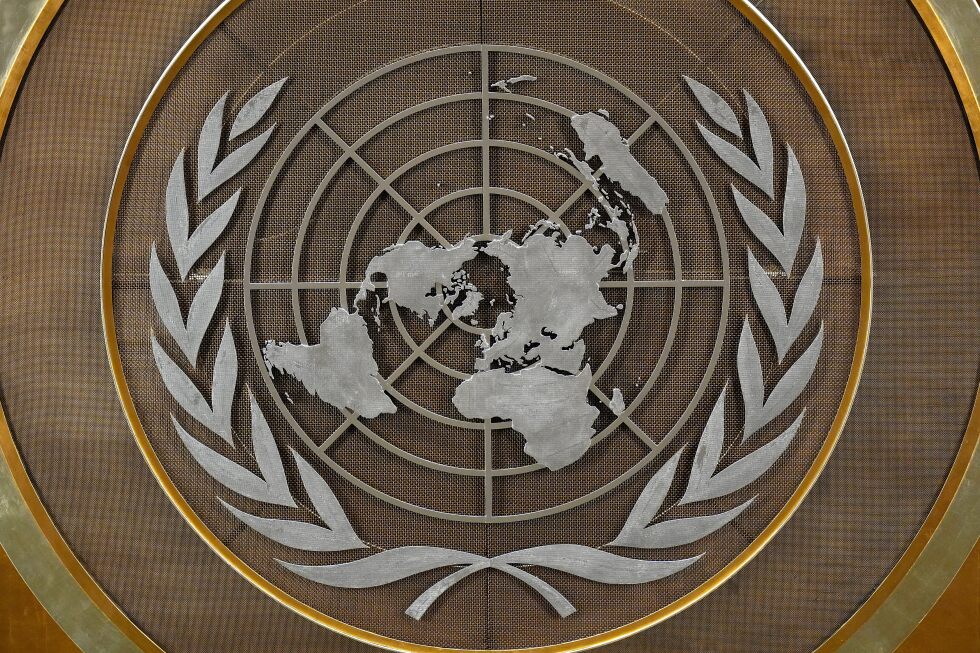
In a historic move underscoring global recognition of historical injustices, the United Nations General Assembly has overwhelmingly endorsed a groundbreaking resolution characterizing the transatlantic trafficking of enslaved Africans as “the most severe crime perpetrated against humanity.” The measure, adopted with 123 votes in favor, encountered opposition from only three member states—Argentina, Israel, and the United States—while 52 nations abstained from voting.
The comprehensive resolution advocates for concrete reparatory measures to address the enduring legacy of slavery, emphasizing that such actions represent “essential steps toward rectifying historical grievances.” It further demands the immediate and unconditional restitution of cultural artifacts—including artworks, monuments, museum collections, documents, and national archives—to their countries of origin without financial compensation.
Ghanaian President John Dramani Mahama, a principal architect of the initiative, addressed the assembly prior to the vote, stating: “On this day, we unite in profound solidarity to affirm historical truth and pursue a pathway toward healing and restorative justice. This resolution stands as a bulwark against collective amnesia.”
Although General Assembly resolutions lack legal binding force unlike Security Council mandates, they serve as significant barometers of international consensus. The United Kingdom’s acting UN Ambassador James Kariuki acknowledged the imperative to confront slavery’s “devastating consequences and persistent impacts,” highlighting contemporary manifestations including racial discrimination, xenophobia, and modern slavery through human trafficking and forced labor.
The resolution explicitly condemns racialized chattel enslavement and the transatlantic slave trade as unprecedented atrocities while establishing frameworks for member states to engage in dialogues concerning reparatory justice. These encompass formal apologies, restitution mechanisms, compensation programs, rehabilitation initiatives, and legal reforms to combat systemic discrimination.
Additionally, the measure encourages voluntary contributions to educational programs about the slave trade and promotes collaboration between UN agencies, the African Union, the Caribbean Community, and the Organization of American States to advance reparatory justice and reconciliation efforts worldwide.