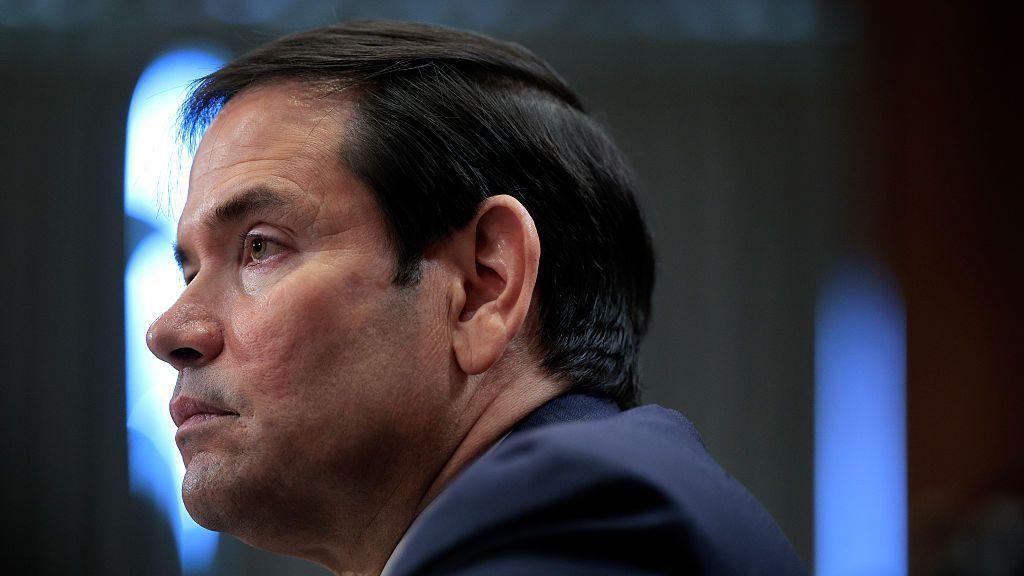
In an unprecedented courtroom appearance, U.S. Secretary of State Marco Rubio provided testimony on Tuesday in the criminal trial of former Congressman David Rivera, marking the first instance of a sitting cabinet member taking the stand in a criminal proceeding since 1983. The case centers on allegations that Rivera and his associate Esther Nuhfer engaged in illegal lobbying activities on behalf of Venezuela’s government during the Trump administration.
Federal prosecutors from Florida allege that Rivera and Nuhfer orchestrated a covert influence campaign aimed at easing U.S. sanctions against Venezuela in exchange for a substantial $50 million contract from PDV USA, the U.S. subsidiary of Venezuela’s state-owned oil company PDVSA. According to court documents, the defendants specifically targeted Rubio—who had previously served with Rivera in the Florida state legislature and shared living accommodations—as well as former White House advisor Kellyanne Conway.
During opening statements, prosecutor Roger Cruz characterized the case as fundamentally about ‘greed and betrayal,’ alleging the defendants ‘made a pact to secretly lobby for Nicolás Maduro, the communist dictator.’ The indictment charges both defendants with money laundering and failure to register as foreign agents under the Foreign Agents Registration Act (FARA).
Rubio’s testimony drew particular attention given his current dual roles as Secretary of State and National Security Advisor. When questioned about his employment, Rubio elicited laughter from the courtroom by stating, ‘I have two jobs. I am the secretary of state of the United States and the president’s national security advisor.’
Despite his long-standing personal and professional relationship with Rivera, Rubio has consistently denied any involvement in or knowledge of the alleged scheme. In a pre-trial interview with CBS News, Rubio emphasized, ‘We’ve worked closely together but not on this, and there’s not a single person claiming otherwise.’
Defense attorney Ed Shohat mounted an aggressive defense, arguing that Rivera’s activities were exempt from FARA requirements because they aimed to facilitate Exxon’s return to Venezuela to revitalize the oil industry. Shohat dramatically characterized the case as ‘a murder case without a murder.’
The trial represents a significant moment in U.S. political history, with Rubio becoming the first cabinet member to testify in a criminal trial since Labor Secretary Raymond Donovan appeared in a mafia case during the Reagan administration.