The strategic closure of the Strait of Hormuz following February’s military escalation between the U.S., Israel, and Iran has precipitated a severe energy crisis across Asia, with devastating socioeconomic consequences. This critical maritime corridor, traditionally facilitating approximately 20% of global oil shipments, now operates at a fraction of its capacity, permitting only minimal daily vessel transit. Concurrent attacks on regional energy infrastructure have further exacerbated supply constraints, sending oil prices skyrocketing and destabilizing financial markets worldwide.
Asian nations bear the disproportionate impact of this disruption, with nearly 90% of Hormuz-transited hydrocarbons destined for the region. Governments have implemented drastic conservation measures including mandatory remote work policies, reduced workweeks, and premature university closures. Even China, despite maintaining substantial strategic reserves, has intervened to cap domestic fuel price increases after citizens faced 20% cost surges.
The Philippines has declared a national emergency citing imminent threats to energy stability. Jeepney driver Carlos Bragal Jr. exemplifies the crisis, seeing his daily earnings plummet from 1,200 pesos to merely 500 pesos ($19.92 to $8.30). “This will definitely kill us and our family if it continues,” he lamented, describing how his children’s education now hangs in the balance. Agricultural and fishing communities similarly face paralysis from unaffordable fuel costs.
In Thailand, news anchors at public broadcaster Thai PBS symbolically removed blazers on air to promote energy conservation. “Taking off the suit shows we’re not ignoring what’s happening,” explained presenter Sirima Songklin. National directives now mandate 26-27°C air conditioning settings and widespread telecommuting.
Sri Lanka’s fragile economic recovery faces renewed jeopardy. “Previously we had no money to buy fuel—now we have money but no fuel,” observed Colombo resident Dimuthu. Fuel rationing and Wednesday public holidays have created hours-long queues, preventing workers like lawnmower operator Nimal from earning livelihoods.
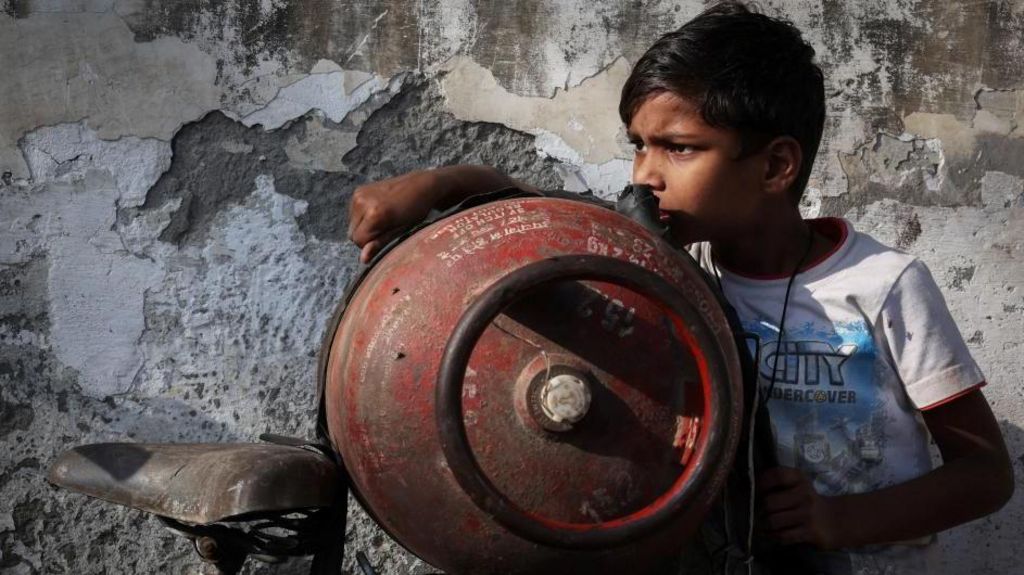
Myanmar’s military administration implemented alternate-day driving restrictions, while India’s massive Gulf diaspora and domestic economy face dual pressures. Gujarat’s ceramics industry has shuttered for a month, idling 400,000 workers. Migrant laborer Sachin Parashar stated, “I will have to go hungry if I continue staying here without work.” Nationwide, restaurants removed time-intensive dishes from menus as LPG shortages intensified, with 20% of Mumbai’s eateries partially or fully closing.
The crisis demonstrates how geopolitical conflicts thousands of miles away create immediate, tangible suffering for ordinary citizens across developing Asia, with no resolution in sight while Hormuz remains effectively closed.