In a significant strategic move, the United States has deployed sophisticated MQ-9 Reaper drones to Nigeria to bolster the West African nation’s counterinsurgency capabilities. This development follows the arrival of approximately 200 American military personnel last month, who are providing specialized training and intelligence support to Nigerian forces.
The drone deployment comes as Nigeria grapples with an increasingly complex security landscape, particularly in its northern regions. Islamic militant organizations including Boko Haram, its Islamic State-affiliated splinter faction ISWAP (Islamic State West Africa Province), and other extremist groups have created a multi-faceted threat environment. These organizations engage in everything from ideological insurgency to criminal activities such as kidnapping for ransom and illegal resource extraction.
According to U.S. Africa Command (AFRICOM) officials, the high-altitude drones—capable of operating at over 40,000 feet with endurance exceeding 30 hours—will be stationed at Bauchi Airfield in northeastern Nigeria. While the exact number of deployed systems remains classified, officials emphasized these aircraft will be exclusively used for intelligence, surveillance, reconnaissance, and training purposes, not offensive operations.
This security cooperation initiative follows diplomatic discussions prompted by concerns about religious targeting in Nigeria’s ongoing conflict. The partnership represents a strategic recalibration for the U.S. after the closure of its drone operations in neighboring Niger, where American forces were expelled by the current military government.
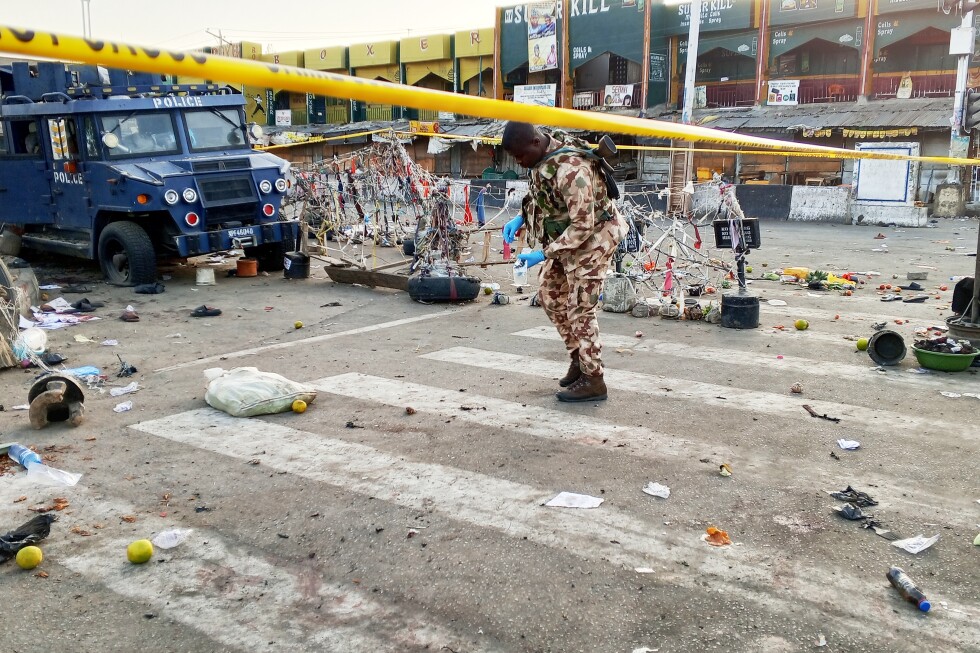
The security situation in Nigeria remains dire, with recent suicide bombings in Maiduguri claiming at least 23 lives and injuring over 100 civilians. Although no group claimed responsibility, Boko Haram remains the primary suspect. The conflict, which began in 2009, has resulted in approximately 40,000 fatalities according to UN estimates, with analysts criticizing the Nigerian government’s inadequate protection of civilians amid expanding militant influence from the Sahel region.