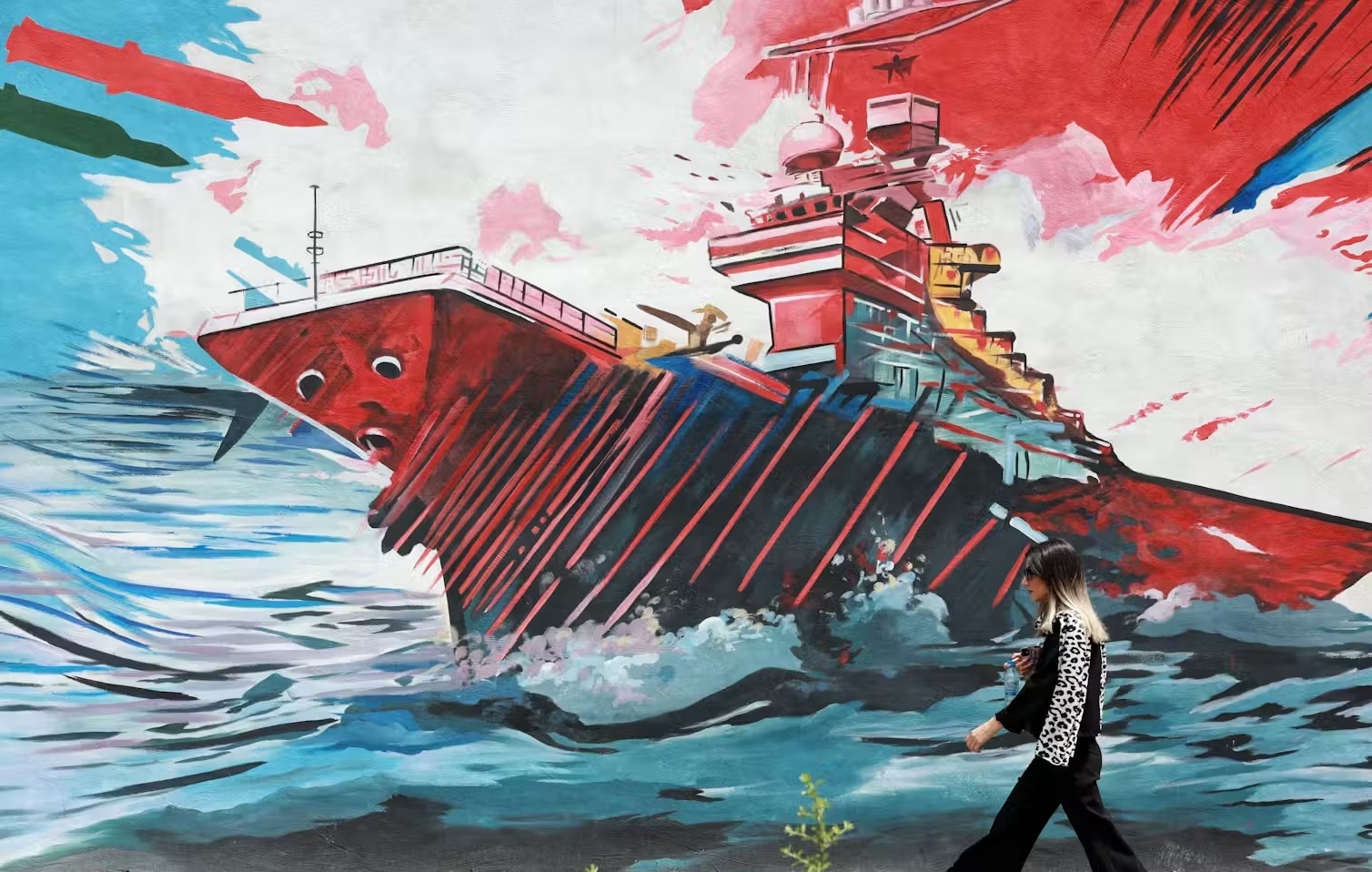
Just days after announcing “Project Freedom”—a U.S. military initiative designed to reestablish safe commercial navigation through the strategically critical Strait of Hormuz—former U.S. President Donald Trump announced a halt to the operation. In a social media statement, Trump explained the pause was intended to create space for U.S. diplomatic teams to negotiate a conflict-ending agreement with Iran.
Iran’s state-run media quickly framed the suspension of the U.S. mission as a clear setback for Washington. This development comes on the heels of repeated Iranian threats to target any commercial or military vessels attempting to transit the waterway, followed by a series of missile and drone strikes against civilian commercial ships and targets in the United Arab Emirates. Today, the future trajectory of the conflict remains deeply uncertain, but one factor is widely agreed upon by global observers: China will play a decisive role in any eventual outcome.
Over the opening two months of the ongoing conflict, China has served as the primary pillar sustaining Iran’s struggling economy. Even before the outbreak of hostilities, China absorbed as much as 90% of Iran’s total crude oil exports, purchasing more than one million barrels of Iranian oil daily. That steady flow of crude continued uninterrupted in the conflict’s early stages: CNBC data confirms that at least 11.7 million barrels of Iranian oil were shipped to Chinese buyers between February 28 and March 10.
To bypass harsh U.S.-led Western sanctions that block Iran from accessing the U.S.-dominated SWIFT global payment network, payments for Iranian crude are processed through Chinese financial infrastructure, including Bank of Kunlun and China’s Cross-border Interbank Payment System (CIPS). These platforms allow for oil trade transactions to be settled in Chinese yuan, effectively keeping Iranian oil revenues beyond the reach of the U.S. Treasury Department and enabling Tehran to continue earning critical foreign currency despite international pressure.
While the volume of Iranian oil flowing to China has declined since mid-April, when the U.S. enforced a naval blockade around Iranian export ports, China still maintains a limited but critical revenue lifeline for the Iranian government moving forward. On May 2, China’s Ministry of Commerce issued an official order directing Chinese companies not to comply with newly imposed U.S. sanctions targeting five Chinese refiners linked to the Iranian oil trade. This ruling allows these refiners to continue processing Iranian crude that arrives via overland rail routes or that was already stored in facilities outside the U.S. blockade zone. As of April 21, industry estimates indicate roughly 160 million barrels of Iranian crude were already in transit or held in floating storage at sea, much of it bound for Chinese markets.
China’s sustained economic support for Iran has emerged as a major new point of diplomatic friction between Washington and Beijing, just ahead of a scheduled high-stakes summit between Trump and Chinese leader Xi Jinping. During a May 4 interview with Fox News, U.S. Treasury Secretary Scott Bessent characterized China’s continued purchases of Iranian oil as equivalent to “funding global terrorism.”
Despite rising U.S. criticism, China’s outsized economic influence over Iran also grants Beijing significant diplomatic leverage over Tehran, and available evidence suggests a negotiated end to the conflict aligns with China’s core strategic interests. Global energy price spikes triggered by the Hormuz disruption have already started to put downward pressure on China’s domestic economy, and brokering a peaceful resolution would also bolster Beijing’s goal of positioning itself as a responsible global power on the international stage.
China has already played a substantial behind-the-scenes diplomatic role in de-escalating tensions. While Pakistan has served as an official public mediator between the U.S. and Iran, many independent analysts credit China as the primary driving force behind the temporary ceasefire reached in April. During that period, Iranian officials confirmed that China had publicly called on Tehran to demonstrate flexibility and work to reduce confrontational tensions.
Beijing has continued its diplomatic push for negotiations in the weeks following the ceasefire. Mere hours after Trump announced the pause on Project Freedom, Iranian Foreign Minister Abbas Araghchi traveled to Beijing for talks with his Chinese counterpart Wang Yi—marking the first visit by Iran’s top diplomat to China since the conflict began. In an official statement released after the May 6 meeting, China’s foreign ministry reiterated that “a complete cessation of fighting must be achieved without delay … and that continuing to negotiate remains essential.” For his part, Araghchi confirmed Iran would defend its “legitimate rights and interests in the negotiations” while signaling openness to “accept a fair and comprehensive agreement.”
At the same time, there are clear signs that China is hedging its strategic bets to account for multiple possible outcomes. A prolonged, draining conflict that ties down substantial U.S. military resources in the Middle East offers clear strategic benefits for China, most notably by diverting Washington’s attention and military assets away from the Asia-Pacific region. U.S. intelligence assessments indicate Beijing has actively considered providing direct military support to Iran if open hostilities resume. Multiple outlets, including CNN, reported in April that China has weighed transferring shoulder-fired anti-air missiles (Manpads) to Iran, potentially routing shipments through third countries to obscure Beijing’s direct involvement. China has repeatedly denied these claims, stating it “has never provided weapons to any party to the conflict.”
Beyond potential arms transfers, Chinese technical assistance has already improved the operational capacity of Iran’s military since the conflict began. Since 2021, Iran has gradually integrated China’s BeiDou satellite navigation system, an alternative to the U.S.-run Global Positioning System (GPS). BeiDou has assisted in guiding Iranian missile strikes during the conflict and enabled more consistent monitoring of U.S. military deployments across the region.
From the conflict’s opening weeks to the current diplomatic impasse, China has shaped the trajectory of hostilities in meaningful ways. Given its unique combination of economic, diplomatic and limited military influence over Iran, Beijing will remain a core determinant of whether the crisis moves toward a lasting negotiated settlement or reignites into open, large-scale conflict.