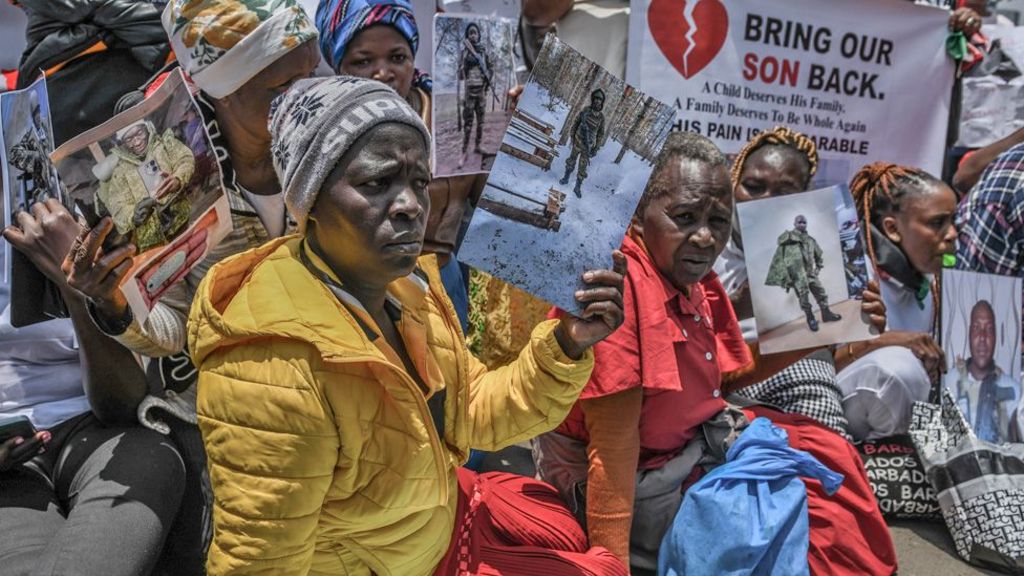
In a significant diplomatic breakthrough, Kenya has successfully negotiated the safe return and amnesty for hundreds of its citizens who were illegally recruited to fight for Russia in the Ukraine conflict. Foreign Minister Musalia Mudavadi announced the agreement following high-level talks in Moscow, marking a pivotal resolution to a six-month crisis that has affected numerous African nations.
The Kenyan government estimates that approximately 252 citizens were unlawfully conscripted through deceptive recruitment schemes that promised lucrative civilian employment in Russia. Instead, these individuals found themselves coerced into military service, often signing contracts in Russian without comprehension of the terms. Many reported being forcibly deployed to front-line combat operations in Ukraine.
Minister Mudavadi’s negotiations yielded multiple critical concessions from Moscow: immediate cessation of further Kenyan recruitment through Russia’s ‘stop list’ mechanism, disengagement and repatriation for those unwilling to continue fighting, and medical care for wounded personnel. Current statistics indicate 44 Kenyans have already returned home, while 11 remain missing or confirmed killed in action. Another 38 are hospitalized under restricted access in Russian medical facilities, with approximately 160 still actively deployed.
The resolution carries particular significance given Kenya’s legal framework that prohibits citizens from serving in foreign armies without presidential authorization or dual citizenship status. Violations of Section 68 of the Kenyan penal code carry potential ten-year prison sentences, making the amnesty provision essential for returning fighters.
This development follows intensified pressure from affected families and reveals a broader pattern of recruitment across Africa. Ukrainian intelligence assessments suggest over 1,700 individuals from 36 African countries have been recruited by Russian forces. Recent parallel incidents include South Africa’s repatriation of 17 citizens from Ukraine’s Donbas region under similar circumstances.
Both nations have committed to enhanced cooperation against human trafficking and illegal recruitment networks, with Kenyan authorities having already shuttered more than 600 suspicious recruitment agencies. The agreement represents a notable diplomatic achievement in protecting vulnerable workers from exploitation in global conflict zones.