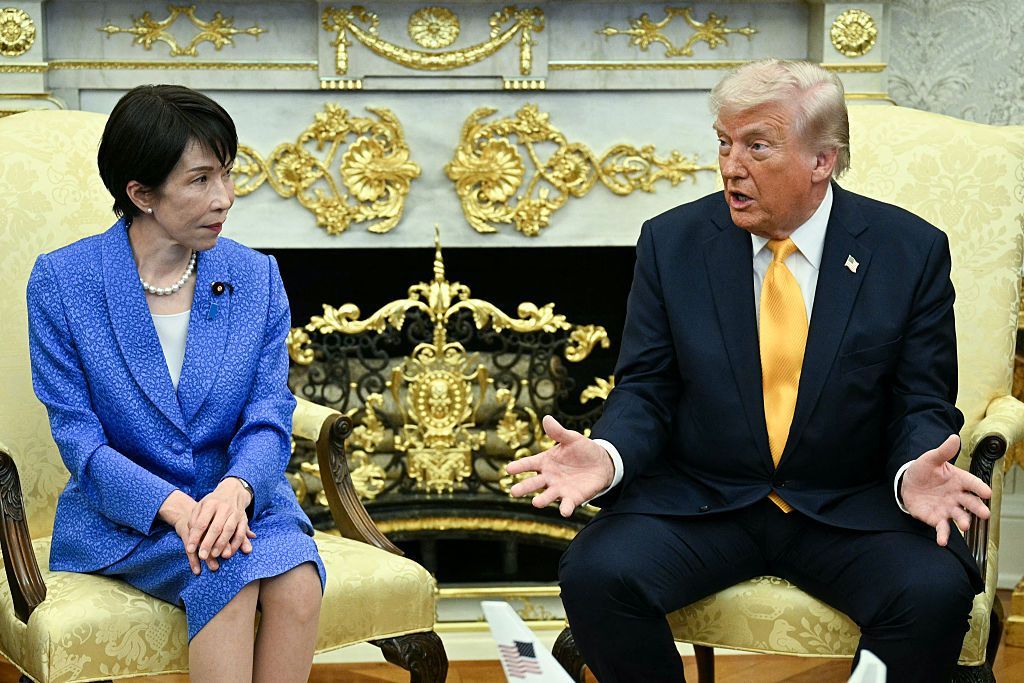
During a high-level diplomatic engagement with Japanese Prime Minister Shinzō Abe, U.S. President Donald Trump invoked historical parallels to justify his administration’s controversial decision-making process regarding military action against Iran. When questioned about his failure to consult international allies prior to authorizing a strike against Iranian military commander Qassem Soleimani, President Trump referenced the 1941 Pearl Harbor attack as a comparative example of strategic surprise in military operations.
The discussion revealed significant tensions in traditional alliance structures, with the Japanese leadership expressing particular concern about the implications of unilateral action in the highly volatile Middle East region. Prime Minister Abe, whose nation maintains diplomatic relations with Iran, emphasized the importance of multilateral consultation in matters of global security.
This exchange highlights growing apprehensions among U.S. allies regarding the administration’s foreign policy approach, which increasingly prioritizes decisive action over diplomatic coordination. The Pearl Harbor comparison drew immediate criticism from historians and political analysts who noted the fundamental differences between a surprise attack on a military installation and a targeted strike against a foreign official.
The meeting occurred amid escalating tensions in the Persian Gulf and raised questions about the future of international cooperation in conflict prevention and resolution. The administration’s stance suggests a potential shift in how the United States engages with its traditional partners on matters of national security and military intervention.