African football has been plunged into unprecedented controversy after the Confederation of African Football (CAF) stripped Senegal of their Africa Cup of Nations title and awarded the championship to tournament hosts Morocco. The dramatic decision comes two months after the contentious final in Rabat that ended with Senegal’s controversial pitch walkout.
The governing body ruled that Senegal’s national team violated competition regulations by abandoning the field in protest of a refereeing decision during the final match. Although the match eventually resumed and Senegal secured a 1-0 victory, CAF determined the walkout constituted an automatic forfeiture under tournament rules.
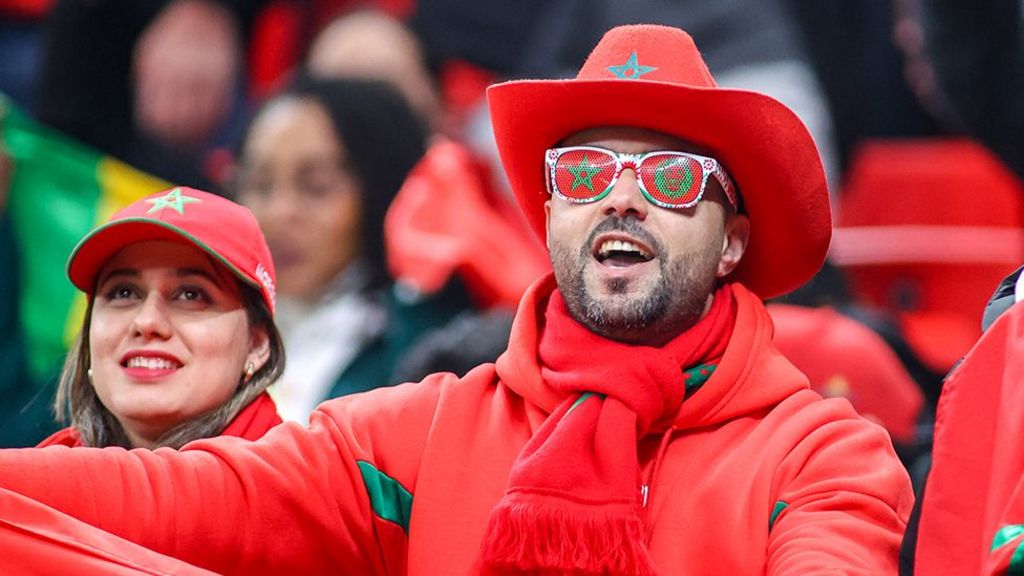
The announcement triggered diametrically opposite reactions across both nations. Moroccan cities erupted in spontaneous celebrations as ecstatic supporters flooded streets waving national flags, sounding car horns, and igniting flares in triumphant displays. Local media captured scenes of jubilant fans in Tangier and other cities experiencing what journalist Jalal Bounour described as “a sleepless night of great excitement and joy.”
Many Moroccans expressed a profound sense of justice restored, with one woman telling sports channels: “The entire Moroccan people are out in every city happy with our cup. The cup has returned to us, the cup that was denied to us.” Another supporter admitted to being in “complete shock” at the unexpected reversal.
Meanwhile, Senegal responded with outrage and accusations of institutional corruption. In the capital Dakar, the news landed like a bombshell, with young fan Daouda Seck telling AFP: “I’m stunned. Football no longer exists. This is not football. No-one here understands or accepts this decision.”
The Senegalese government announced it would formally appeal the decision, warning that the ruling “undermined CAF’s credibility” and calling for an “independent international investigation into suspected corruption within CAF’s governing bodies.” This sentiment was echoed by student Ralf Nonga, who insisted that “the best team won on the pitch, and that should be respected off it.”
Local media reflected the national mood, with one Senegalese newspaper leading with the headline: “The inside story of an unprecedented scandal.” The controversy has raised fundamental questions about sports governance, competitive integrity, and the balance between regulatory enforcement and competitive fairness in African football.