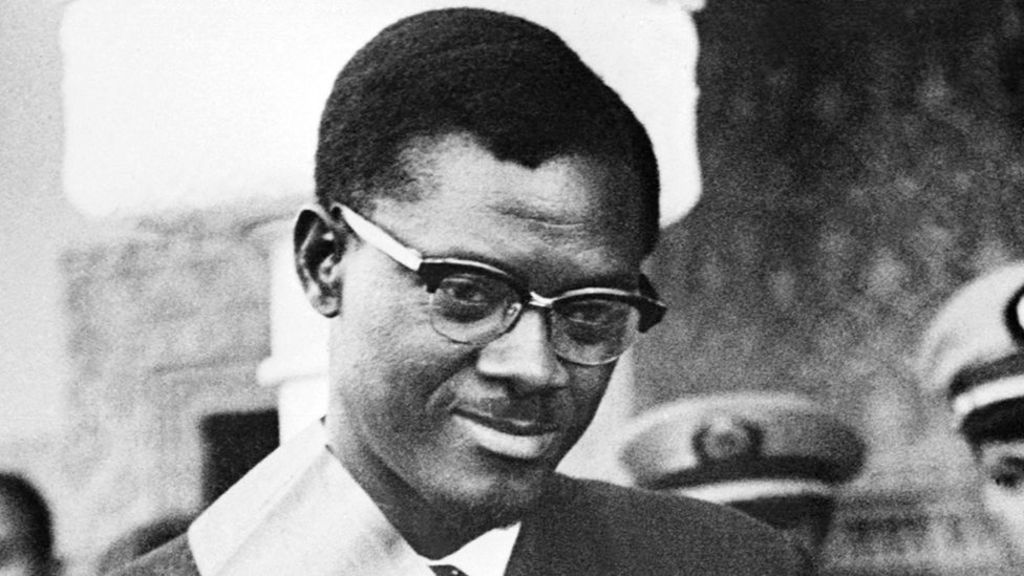
In a landmark judicial development, a Brussels court has authorized the prosecution of former European Commission vice-president Étienne Davignon for alleged involvement in the 1961 killing of Patrice Lumumba, the Democratic Republic of Congo’s first prime minister. The 93-year-old diplomat, who served as a junior official at the time of Lumumba’s death, now faces charges related to the unlawful detention, transfer, and degrading treatment of the iconic independence leader.
This unprecedented legal action represents the culmination of a twelve-year judicial process initiated by Lumumba’s descendants in 2011. Davignon stands as the sole surviving defendant among ten Belgian nationals originally implicated in the case concerning the assassination of Africa’s prominent anti-colonial figure.
The historical context reveals a complex tapestry of Cold War politics and colonial backlash. Lumumba, who assumed leadership upon Congo’s independence in June 1960, directly challenged Belgian interests during his famous independence day address where he condemned colonial oppression before King Baudouin and other dignitaries. His progressive vision and determination to assert Congolese sovereignty made him a target for multiple Western powers, despite his denial of communist affiliations.
Evidence indicates that Lumumba’s removal from power through a September 1960 coup was followed by his capture and eventual execution by firing squad in January 1961. His body was subsequently dissolved in acid to prevent memorialization—a brutal act that symbolized the extreme measures taken to eliminate his political influence.
International investigations, including a 1975 U.S. Senate inquiry, confirmed that both Belgian authorities and American intelligence agencies had developed plans to neutralize Lumumba, though ultimately Belgian-backed Congolese forces carried out the killing.
The current judicial proceeding follows Belgium’s formal acknowledgment of institutional responsibility for Lumumba’s death, with official apologies extended to both his family and the Congolese government. Mehdi Lumumba, the leader’s grandson, characterized the court’s decision as a moment of historical reckoning, expressing collective relief that Belgium is finally confronting its colonial past. The ruling remains subject to potential appeal, maintaining legal uncertainty around whether the trial will ultimately proceed.