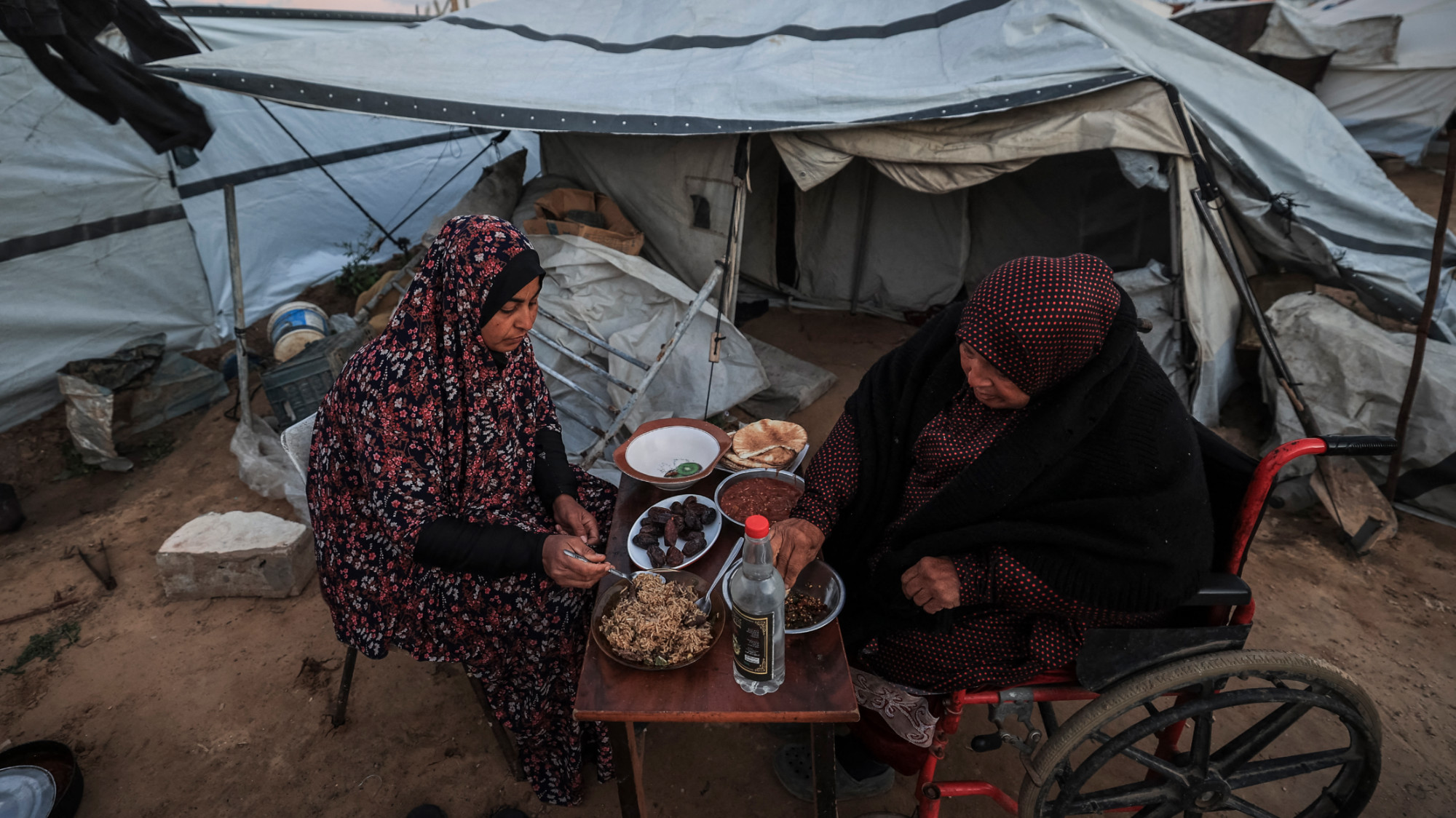
The recent escalation of regional tensions has triggered a severe humanitarian crisis in the Gaza Strip, where border closures have created alarming food shortages and dramatic price increases. With crossings shuttered following the outbreak of hostilities between the U.S., Israel, and Iran, the densely populated enclave faces the imminent threat of famine recurrence.
Gaza’s complete dependence on border crossings for essential goods has created immediate market disruptions. Overnight, staple food items became scarce and unaffordable for most residents. The price of onions skyrocketed from 3 shekels ($1) to 15 shekels ($5) per kilogram, while cooking oil jumped from 5 to 13 shekels. Parsley experienced an eightfold price increase, illustrating the severity of the supply chain collapse.
Ibrahim Madoukh, a falafel vendor and father of eight from Gaza City, represents the struggling working class. His small business has been devastated by ingredient cost increases, forcing him to raise prices while customer demand plummets. ‘I only have enough supplies for one week,’ Madoukh revealed. ‘If the situation continues, we may face the same hunger we experienced before.’
The partial reopening of the Karem Abu Salem crossing allowed limited fuel and humanitarian aid entry, but the UN calls for more access points to address the growing crisis. Meanwhile, residents like Ahmed al-Shoubaki have depleted their savings on emergency supplies, spending over $1,000 to stockpile a month’s worth of food. ‘Why must Gaza pay the price for wars it’s not involved in?’ Shoubaki questioned, echoing the sentiment of many Palestinians.
For families like Rana Rajab’s, with six children and a husband working as a daily wage mechanic, the situation is particularly dire. They can only afford single-day supplies as prices soar and purchasing power collapses. ‘Every time we go through famine, it’s worse than before,’ Rajab stated, recalling how her youngest daughter contracted hepatitis during last year’s food crisis.
The economic collapse in Gaza has eliminated livelihoods across sectors, leaving thousands without income to cope with inflation. As international organizations urge border reopening, residents fear prolonged closures will exacerbate their suffering, emphasizing that civilians bear the devastating consequences of conflicts beyond their control.