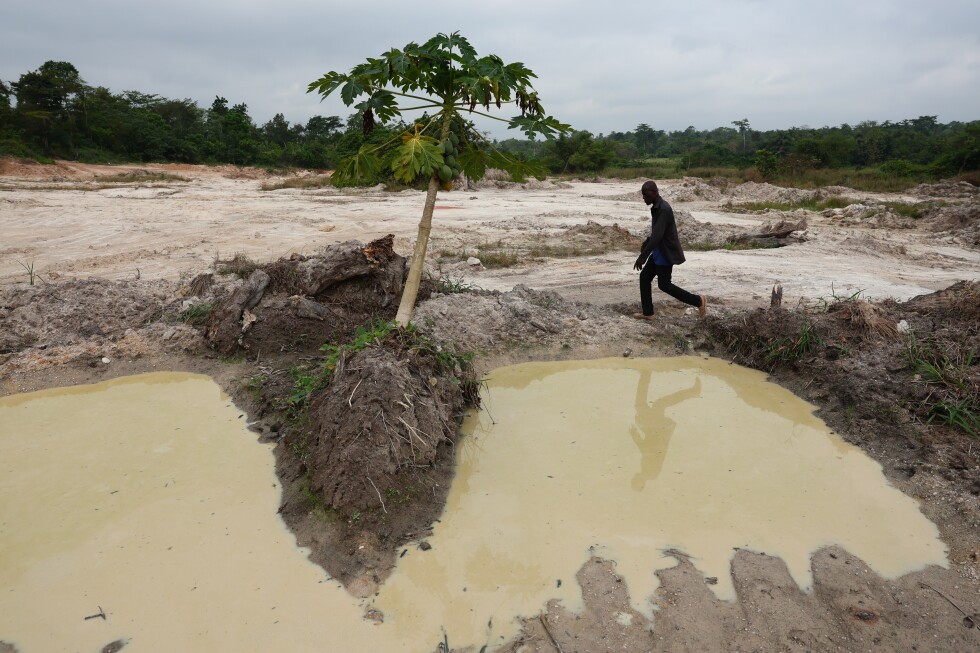
KONA, Ghana (AP) — The global chocolate industry faces an unprecedented supply chain crisis as West African cocoa farmers abandon their traditional livelihoods amid catastrophic price collapses. Ghana and Ivory Coast, which collectively supply nearly 70% of the world’s cocoa beans, are experiencing widespread agricultural transformation with severe long-term implications.
Manu Yaw Fofie, a 52-year-old multigenerational cocoa farmer in Ghana, represents the desperate measures being taken across the region. With annual yields plummeting from 300 bags to a projected 50 bags by 2025 due to climate change and economic pressures, Fofie has resorted to leasing portions of his family land to illegal sand miners—a destructive but immediately profitable alternative that renders the soil permanently infertile.
The crisis stems from a violent market fluctuation that saw cocoa futures skyrocket to over $12,000 per metric ton in 2024 before crashing to approximately $4,000. This whiplash effect created massive stockpiles of rotting beans in West African warehouses while global chocolate manufacturers struggled to secure reliable supplies.
Government price stabilization mechanisms in both countries have collapsed under market pressures. Ghana slashed its fixed cocoa price by 28% to $3,881 per metric ton in January, while Ivory Coast implemented even more drastic cuts—reducing farmer compensation by more than half to $2.13 per kilogram for the 2026 season.
The human impact is devastating. Farmers like Mercy Amponsah report that accepting current prices would force children to withdraw from school due to unsustainable profit margins. Many are turning to alternative land uses, including illegal gold mining operations that offer immediate cash payments but cause permanent environmental damage.
Agricultural experts note that while commodity markets are inherently volatile, the scale of this crisis exceeded all preparedness measures. Edward Karaweh, former general secretary of Ghana’s General Agricultural Workers Union, emphasized that proper planning could have mitigated though not prevented the situation.
The crisis demonstrates how climate change, global market speculation, and local economic pressures are converging to threaten the world’s chocolate supply while pushing West African farmers into irreversible agricultural transitions.