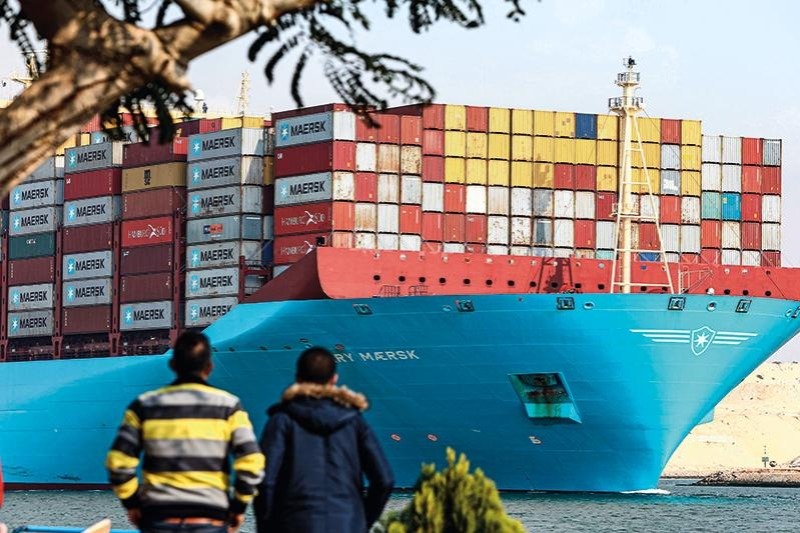
The escalating conflict in the Gulf region has unleashed severe disruptions across East Africa’s trade networks, with major shipping companies abandoning traditional routes through the Red Sea and Suez Canal. Global carriers including Maersk, CMA CGM, and Mediterranean Shipping Company have suspended sailings through these critical maritime corridors, redirecting vessels around South Africa’s Cape of Good Hope instead.
This strategic rerouting threatens to cripple East African exports, particularly perishable commodities. The extended journey—increasing transit times from 20 days to potentially 45 days—jeopardizes cold-chain logistics and threatens significant financial losses for regional exporters.
Kenya’s agricultural sector faces immediate jeopardy. The East African Tea Trade Association warns that the country could lose up to 25% of its Middle Eastern tea market if hostilities persist. Meanwhile, Kenya’s meat export industry reports over 200 metric tons of product stranded in cold storage facilities, with daily exports of 130 tons completely halted.
Agayo Ogambi, CEO of the Shippers Council of Eastern Africa, emphasized the critical timing for exporters handling perishables like avocados. “The extended transit will lead to cold-chain disruptions, higher rejection rates by buyers, and substantial financial losses,” Ogambi stated.
Waweru Kamau of Juja International Abattoirs detailed the crisis: “All meat prepared for shipment remains frozen in our facilities. We’ve suspended operations and sent staff home as our primary market—the Middle East, particularly the UAE which accounts for 60% of exports—becomes inaccessible due to route disruptions.”
The ripple effects extend beyond immediate cargo delays, threatening to increase freight charges at major East African ports including Mombasa, disrupt container circulation systems, and potentially trigger broader economic consequences across the continent’s trade-dependent economies.