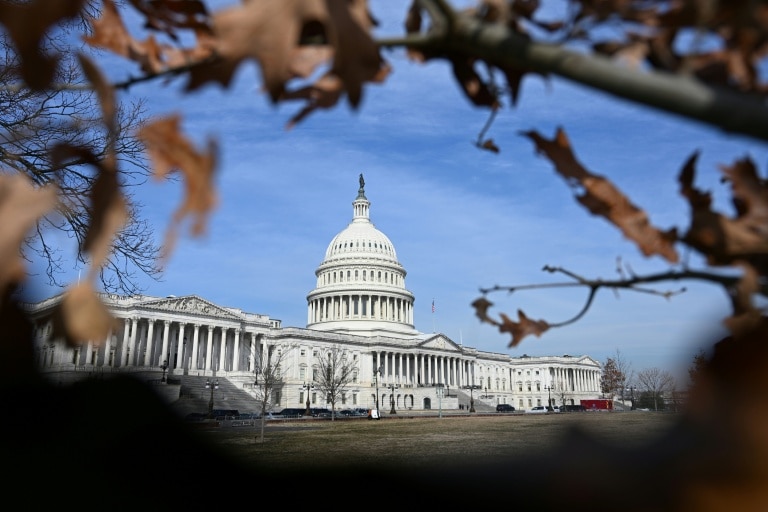
A pivotal constitutional confrontation is unfolding in Washington as Congress prepares to vote on measures challenging President Donald Trump’s military actions against Iran. The legislative body, which possesses exclusive war-declaring authority under the U.S. Constitution, is moving to reassert its institutional power following what critics describe as Trump’s dramatic expansion of executive authority since his 2025 return to the White House.
Senator Tim Kaine has emerged as a leading voice of opposition, characterizing the conflict as “an unnecessary, idiotic, and illegal war against Iran” in social media statements following the initiation of hostilities during the overnight period from Friday to Saturday. In late January, anticipating potential escalation, Kaine introduced legislation mandating congressional authorization for any military engagement with Iran. He has now urgently called for Congress to reconvene from recess to address his resolution, with a vote anticipated this week.
The administration defended its actions through high-level briefings, with Secretary of State Marco Rubio and Pentagon chief Pete Hegseth meeting with congressional officials on Monday. However, Senator Mark Warner, the Democratic chair of the Senate Intelligence Committee, expressed serious reservations after the briefing, noting: “There was no imminent threat to the United States of America by the Iranians. There was a threat to Israel. If we equate a threat to Israel as the equivalent of an imminent threat to the United States, then we are in uncharted territory.”
The legal foundation of the conflict hinges on the 1973 War Powers Act, which permits limited presidential military intervention in response to emergency situations involving attacks on U.S. interests. Notably, Hegseth himself referred to the situation as “war” rather than limited intervention during Monday’s press conference, while Trump asserted in his late-night video announcement that Iran posed an “imminent” threat—a claim that Atlantic Council analyst Daniel Shapiro criticized as inadequately explained.
The administration provided formal notification to eight congressional leaders just before hostilities commenced, triggering the 60-day clock under the War Powers Act. Beyond this period, Trump would require explicit congressional authorization to continue military operations. In a rare display of bipartisan cooperation, Republican Congressman Thomas Massie and Democratic colleague Ro Khanna are preparing legislation to force a congressional vote on the Iran conflict, potentially as early as this week.
Despite these challenges, the Republican majority is expected to protect Trump’s position, and even if opposition measures pass, they would likely fail to overcome a presidential veto, which requires a two-thirds majority in both chambers to override.