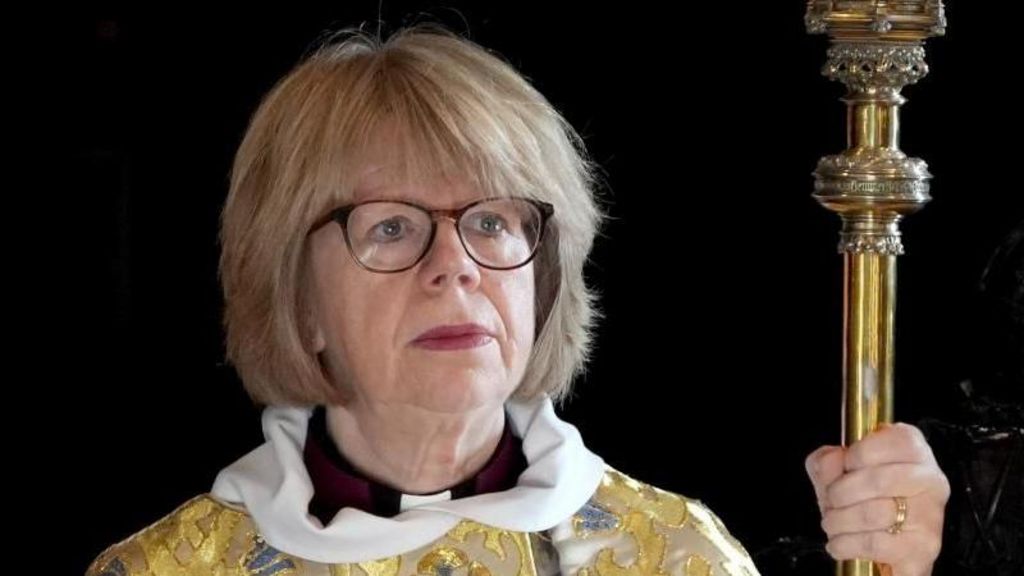
A profound theological rift within the global Anglican Communion has reached a critical juncture as conservative clergy convene in Abuja, Nigeria, to elect an alternative spiritual leader in direct opposition to the historic appointment of Dame Sarah Mullally as the first female Archbishop of Canterbury. This unprecedented move by the Global Anglican Future Conference (Gafcon) threatens to formalize a schism within the 95-million-strong denomination, the world’s third-largest Christian communion.
The four-day summit, organized by Gafcon’s self-described ‘authentic Anglicans,’ represents a calculated challenge to the Church of England’s progressive leadership. While Archbishop-elect Mullally prepares for her official installation later this month at Canterbury Cathedral, traditionalist leaders are establishing a parallel hierarchy based on conservative theological principles that reject female ordination and LGBTQ+ inclusion.
This confrontation stems from longstanding doctrinal disagreements that intensified in 2023 when Gafcon repudiated the leadership of then-Archbishop Justin Welby over proposals to bless same-sex couples. The organization, drawing significant support from African churches but with substantial presence in the Americas and Australia, now claims to represent the majority of global Anglicans—though this assertion remains contested.
Within Nigeria itself, perspectives reflect the global divide. At Lagos’s Vining Memorial Church Cathedral, congregants expressed polarized views. Bunmi Odukoya supported Mullally’s appointment, stating, ‘The work of God is an individual thing. If you’re called—you can be a man, you can be a woman—you need to fulfill the calling of the Lord.’ Conversely, Uche Nweke maintained traditional opposition: ‘When you look at the Bible and the apostles, there was no woman in there.’
Ecclesiastical historians like Diarmaid MacCulloch, Oxford University’s Emeritus Professor of Church History, characterize Gafcon’s actions as ‘a schism, even if they don’t want to say that,’ describing the election of a rival leader as ‘a very aggressive thing to do.’
The institutional structure of the Anglican Communion, historically maintained through four ‘Instruments of Communion’ led by the Archbishop of Canterbury, now faces unprecedented strain. Bishop Anthony Poggo, Secretary General of the Anglican Communion, acknowledges the limited options when ‘one part of the family refuses to follow established processes,’ conceding, ‘It saddens us.’
Despite the escalating conflict, some voices advocate reconciliation. Nigerian youth pastor Alexander Olasinde, while disagreeing with the Church of England’s liberal stance, emphasizes shared spiritual goals: ‘All of us as Christians have one goal, and that is to make it to heaven. We need to find common ground.’
The upcoming Anglican Consultative Council meeting in June will address proposals to broaden leadership structures to better reflect the Communion’s global nature, but Gafcon’s boycott ensures these discussions will occur without conservative representation, potentially deepening the divide within this historically influential Christian tradition.