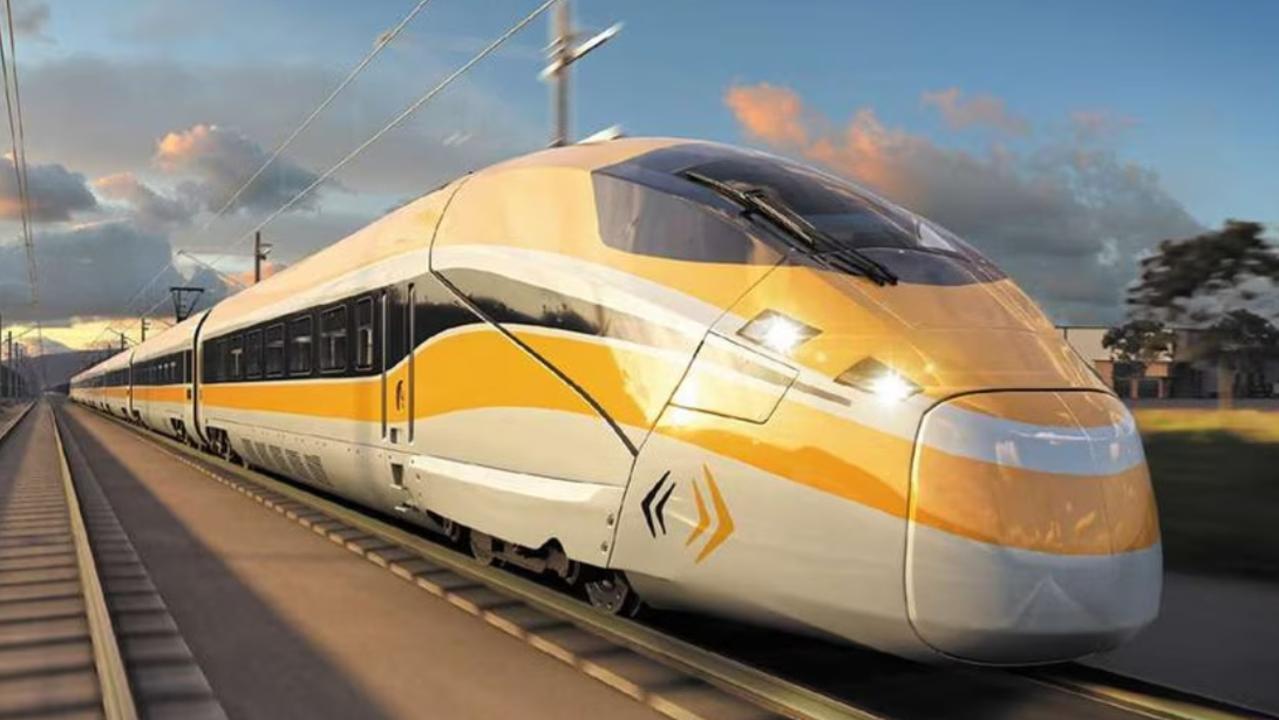
A New South Wales government official has voiced significant skepticism regarding the revived proposal for a high-speed rail connection linking Sydney and Newcastle, acknowledging that local communities have legitimate reasons for their cynicism toward such infrastructure promises. Central Coast Minister David Harris made these remarks during a budget estimates hearing on Wednesday, just one day after the Albanese administration announced the commencement of a two-year development phase for the ambitious transport initiative.
The federal government has allocated approximately $660 million to advance planning for what is designated as ‘Line 1’ of a broader high-speed rail network that ultimately aims to connect Brisbane and Melbourne. According to preliminary assessments by the High Speed Rail Authority, this initial segment could dramatically reduce travel times between Sydney and Newcastle to just one hour—a substantial improvement over the current 2.5-hour journey on century-old tracks.
Despite the promising projections, Minister Harris highlighted the long history of unfulfilled promises, noting that various proposals for high-speed rail have circulated for decades without concrete realization. The minister specifically addressed potential station locations on the Central Coast, mentioning Tuggerah, Warber Vale, and Ourimbah as possible stops, though he acknowledged significant logistical challenges including construction through state forest areas.
Harris reported that community sentiment reflects widespread skepticism, with residents adopting a ‘believe it when they see it’ attitude toward the project. However, he clarified that despite his sarcastic tone during questioning, he does not share the outright opposition expressed by some political counterparts, provided the project demonstrates financial viability and includes a Central Coast stop.
The projected cost of the Sydney-Newcastle link stands at approximately $61.2 billion, with operational commencement not expected before 2039. Government officials have indicated they will explore both public and private financing options once project scope, costs, and risks are finalized. Proponents estimate the infrastructure could generate a $250 billion economic boost over 50 years while creating nearly 100,000 new jobs, though Premier Chris Minns acknowledged the project would require tremendous effort and substantial financial investment.