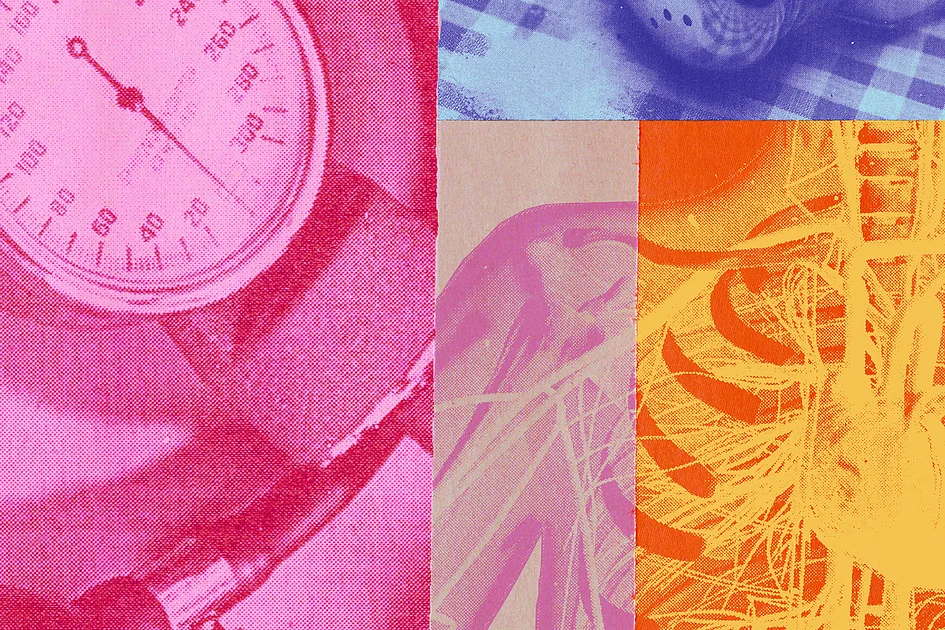
With nearly half of American adults affected by hypertension, medical experts are sounding the alarm about this silent health threat that significantly increases risks for heart attack, stroke, and cognitive decline. Recent research reveals a troubling trend: hypertension-related heart disease deaths are rising among adults aged 35-64, challenging previous assumptions that primarily older populations were vulnerable.
Dr. Eduardo Sanchez, Chief Medical Officer for Prevention at the American Heart Association, emphasizes that hypertension represents the most modifiable risk factor for cardiovascular disease and stroke. “Lifestyle changes and medication can dramatically alter the trajectory for heart attack and stroke,” he notes.
Medical professionals recommend five essential strategies for blood pressure management:
1. Regular Monitoring: Understanding your blood pressure numbers provides critical baseline information. More than half of those with uncontrolled hypertension remain unaware of their condition. Proper measurement technique requires appropriate cuff size, seated position with feet flat, arm supported at heart level, and no conversation during measurement. Home monitoring is particularly valuable given that up to 30% of patients experience ‘white coat hypertension’ in clinical settings.
2. Risk Assessment: Hypertension develops through complex interactions between genetic predisposition and environmental factors including smoking, excess weight, and poor sleep. Those with family history of heart attack or stroke face increased genetic risk. Age, race, and gender also influence vulnerability, with higher prevalence among Black individuals and men. Women who develop hypertension during pregnancy require special attention as they face elevated cardiovascular risks postpartum.
3. Dietary Modification: The Dietary Approaches to Stop Hypertension (DASH) diet emerges as the most effective nutritional intervention among 22 lifestyle changes analyzed across 100+ studies. This approach emphasizes potassium-rich foods that help eliminate sodium and relax artery walls. Beyond bananas, excellent potassium sources include avocados, cantaloupe, citrus fruits, spinach, and Swiss chard. Combining DASH with sodium reduction below 2,300mg daily—primarily by avoiding restaurant meals and processed foods—produces optimal results. Alcohol reduction, ideally complete abstinence, further supports blood pressure control.
4. Physical Activity and Stress Management: Aerobic exercise strengthens heart efficiency, ranking as the second-most effective intervention after dietary changes. Isometric resistance exercises (wall squats, planks) placed third by promoting blood vessel dilation and improved circulation. These activities simultaneously reduce stress, as do meditation, yoga, and various religious practices. Weight reduction through exercise provides additional blood pressure benefits.
5. Medication Acceptance: When lifestyle modifications prove insufficient, medication becomes essential for achieving target levels below 130/80 mm Hg (with under 120/80 mm Hg ideal). Multiple generic options exist, including convenient single-pill combinations that address patient concerns about complex regimens. While some medications cause side effects like frequent urination or leg swelling, physicians can adjust prescriptions to minimize discomfort. Medication complements rather than replaces lifestyle changes, with Dr. Jennifer Cluett of Beth Israel Deaconess Medical Center noting that “lifestyle changes help more than just your blood pressure number.”