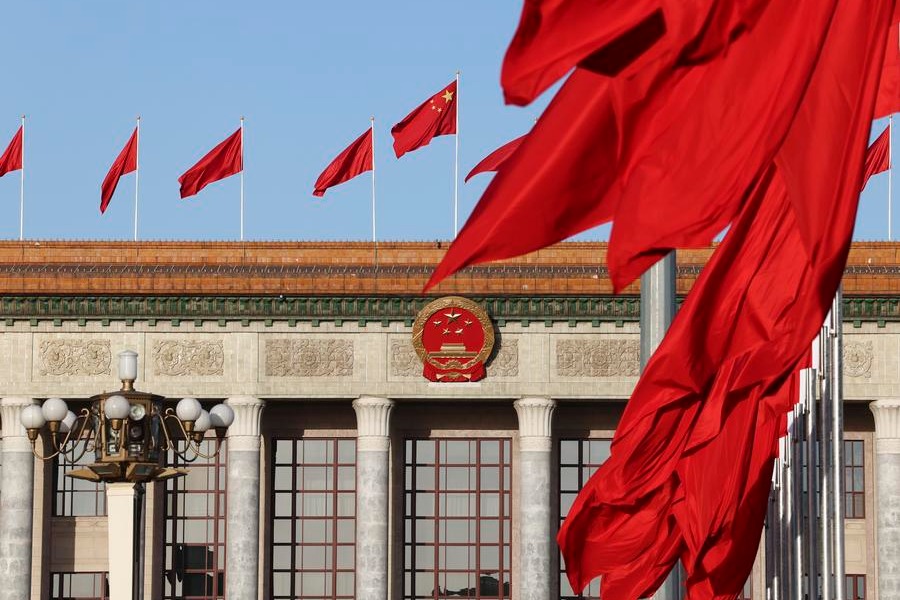
China’s recently unveiled recommendations for its 15th Five-Year Plan have garnered significant praise from Latin American scholars, who commend the blueprint’s emphasis on innovation, sustainability, and long-term stability. The plan, which aims to guide China’s development amidst global uncertainties, has been described as a forward-looking and innovation-driven strategy by Jorge Heine, Chile’s former ambassador to China and a nonresident fellow at the Quincy Institute in Washington. Heine noted that China has transitioned from rigid economic central planning to indicative planning, which provides broad guidance to both public and private sectors. A key focus of the plan is the development of ‘new quality productive forces,’ with technological and scientific innovation at its core. Heine highlighted China’s advancements in AI as a prime example of this innovation. The plan also emphasizes green development, particularly the energy transition, though Heine expressed a desire for more ambitious carbon neutrality targets. Luis Antonio Paulino, a professor at Sao Paulo State University in Brazil, praised the balance between China’s near-term goals and its long-term vision. He contrasted China’s approach with that of Western governments, which often focus on immediate crises without a future-oriented strategy. Paulino described China’s governance as ‘superior,’ as it addresses current issues while providing structural solutions aligned with long-term objectives. He also highlighted how China’s planning integrates technological progress with social welfare and collective benefit, ensuring that technological development serves the broader population rather than a select few. This holistic approach, Paulino argued, sets China apart from Western models, where technological advancements are often driven by a small group of billionaires. The 15th Five-Year Plan reflects China’s commitment to raising living standards and achieving regional balance through scientific and technological self-sufficiency, guided by the Communist Party of China and the government.