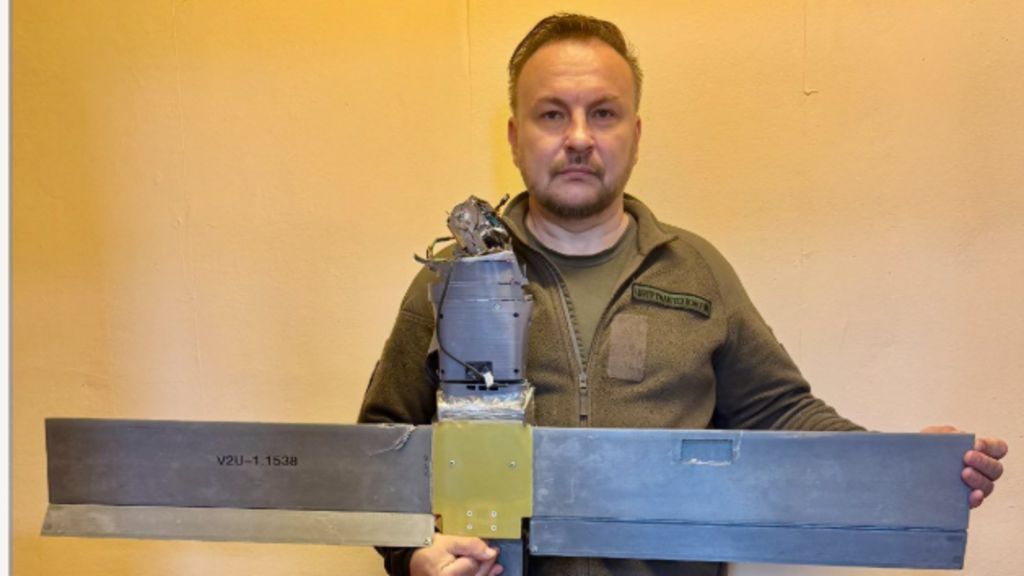
The ongoing conflict between Ukraine and Russia has entered a new phase with the deployment of advanced AI-powered drones, reshaping the dynamics of modern warfare. Serhiy Beskrestnov, a consultant for Ukrainian defense forces, recently intercepted a Russian drone equipped with artificial intelligence, capable of autonomously identifying and attacking targets. Unlike conventional drones, this AI-driven model operates without transmitting or receiving signals, making it immune to jamming techniques.
Both Russian and Ukrainian forces have been integrating AI into their military strategies, utilizing it for target identification, intelligence gathering, and de-mining operations. For Ukraine, AI has become a critical tool, processing over 50,000 video streams monthly from the front lines, as highlighted by Deputy Defense Minister Yuriy Myronenko. This technology enables rapid data analysis, target mapping, and strategic planning, ultimately enhancing operational efficiency and saving lives.
AI is also transforming unmanned weapons systems. Ukrainian troops now employ AI-based software that allows drones to autonomously lock onto targets and complete missions without human intervention. Yaroslav Azhnyuk, CEO of Ukrainian developer The Fourth Law, envisions a future where fully autonomous drones can execute missions with a simple smartphone command, eliminating the need for piloting skills.
However, the rise of AI in warfare raises significant ethical and operational concerns. Vadym, a developer at DevDroid, warns of the risks of friendly fire, as AI systems may struggle to distinguish between Ukrainian and Russian soldiers in similar uniforms. Additionally, there are fears that automated systems could violate international humanitarian laws by failing to protect civilians or recognize surrendering combatants.
Ukraine is also developing AI interceptor drones to counter Russian long-range attack drones like the Shaheds. While these systems promise greater precision and agility, their deployment remains cautious, with human oversight deemed essential for critical decisions. Ukrainian President Volodymyr Zelensky has called for global regulations on AI in weapons, likening the urgency to nuclear non-proliferation efforts.
As the conflict continues, the integration of AI in warfare underscores the need for international cooperation to address the ethical and strategic challenges posed by this rapidly evolving technology.