CAPE TOWN, South Africa – A surging wave of anti-immigrant hostility and targeted violence has forced thousands of African migrants to flee South Africa, deepening a national crisis that has drawn international condemnation and put the country’s migration policy at the center of regional tensions.
The unrest has unfolded alongside months of organized demonstrations led by anti-immigration groups, which have issued an ultimatum: by June 30, all undocumented migrants must leave the country, and the South African government must crack down on what the groups frame as an out-of-control illegal immigration crisis in Africa’s largest economy. If their demands are not met, the organizations have threatened to launch a national shutdown that could paralyze economic activity across the country. South Africa’s police minister confirmed that security forces are already on high alert ahead of planned major protests scheduled for the deadline date.
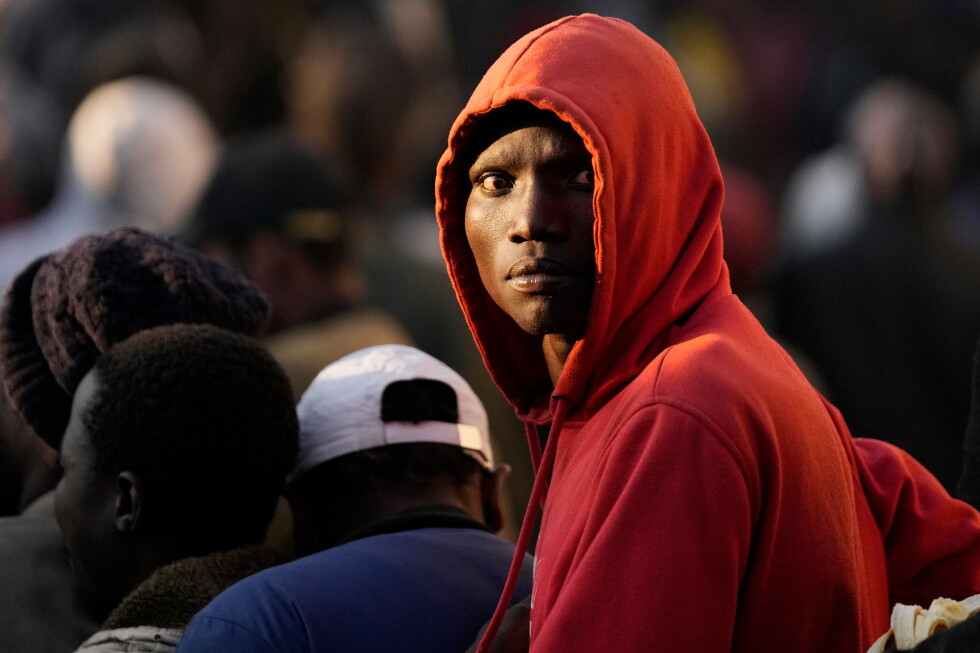
Many migrants have fled their communities out of fear of attack, gathering in makeshift shelters near diplomatic missions and other secured areas. Multiple home countries have already begun repatriating their citizens, and have publicly criticized South Africa for allowing a widespread culture of xenophobia to take root.
Anti-immigration protests have roiled major South African cities since March, pushing the migration debate to the top of the country’s political agenda. Without providing any factual evidence, protest leaders have blamed undocumented immigrants for South Africa’s crippling 32% national unemployment rate, failing public services, and rising crime rates. Earlier this month, President Cyril Ramaphosa addressed the nation in a televised address aimed at defusing tensions. He argued that many anti-immigration groups are exploiting the issue to advance partisan political goals, noting that “illegal immigration is not the cause of our social and economic difficulties.” Even so, Ramaphosa acknowledged that the government has failed to effectively manage border control, a concession that has done little to cool public anger.
As one of the most economically developed nations on the African continent, South Africa has long drawn migrants from poorer neighboring countries seeking greater economic opportunity and safety. Data from the country’s 2022 national census shows that foreign-born residents make up less than 4% of the total population: roughly 2.4 million people out of 62 million total residents. Critics of the government argue that the official census count excludes large numbers of people residing in the country without formal documentation, a claim that has bolstered anti-immigration groups’ arguments that the crisis is larger than acknowledged.
South Africa is already one of several major global economies grappling with increasingly polarized debate over immigration policy, alongside the United States and European nations. According to the country’s home affairs ministry, over the past two years, South Africa has deported more than 100,000 people found to be residing in the country illegally, and has turned away roughly 500,000 more undocumented people attempting to cross the country’s borders. Anti-immigration groups have cited these high numbers to back up their claims that the migration problem remains unaddressed.
Police have launched multiple investigations into fatal attacks linked to the rising anti-immigrant sentiment. Earlier this month, two Mozambican migrants were killed in anti-immigrant unrest in a small coastal town, where more than 50 homes in a migrant neighborhood were burned to the ground. Last week, a Malawian man was stoned to death during an anti-immigration protest in another region of the country, triggering a second homicide investigation. Multiple other assaults and targeted attacks have been reported across the country.
Xenophobic violence has a long, painful history in South Africa. Migrants from low-income nations including Zimbabwe, Mozambique, and Malawi often settle in the country’s most impoverished communities, where high levels of native unemployment and public frustration create fertile ground for resentment. In 2008, a nationwide wave of anti-immigrant violence that began in Johannesburg left more than 60 people dead, both South African citizens and foreign migrants. Intermittent outbursts of targeted violence against immigrants have occurred in the decades since.
The United Nations has added its voice to international criticism of South Africa’s response to the crisis. A spokesperson for UN Secretary-General António Guterres said Guterres is “deeply concerned by reports of xenophobic attacks and acts of harassment and intimidation against migrants and foreign nationals in parts of South Africa.” Multiple African governments, including those of Nigeria, Ghana, and Mozambique, have also issued strong formal rebukes of South Africa over the targeting of their citizens.
As the June 30 deadline approaches, thousands of migrants have already fled the country to seek safety. So far, Nigeria and Ghana have repatriated nearly 2,000 of their citizens on government-funded evacuation flights, with officials confirming more repatriation flights are planned. Zimbabwe and Mozambique have also repatriated smaller groups of their nationals.
Last week, roughly 10,000 Malawian migrants gathered at a temporary shelter in the eastern coastal city of Durban, all waiting to arrange return travel to their home country. More than 8,000 of those migrants have since left South Africa on buses provided by the Malawian government or private sponsors, but hundreds remain stuck in the shelter waiting for departure. South African authorities confirmed they have facilitated the voluntary repatriation of Malawian citizens, though many other migrants have been formally deported for lacking legal residency documentation.