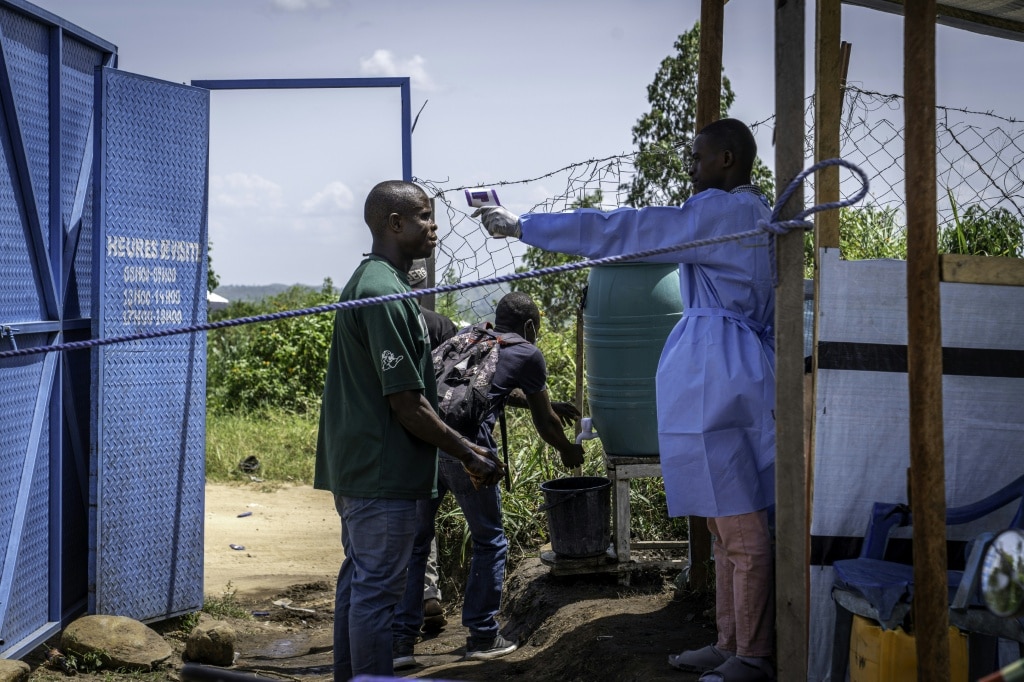
The head of the World Health Organization (WHO) issued a stark public warning this Wednesday, highlighting how persistent armed conflict in the Democratic Republic of the Congo (DRC) is severely undermining global and local efforts to curb a fast-growing, deadly Ebola outbreak. As the crisis intensifies, neighboring Uganda has moved swiftly to close its entire border with the DRC in a bid to stop cross-border transmission.
Since the outbreak was officially declared in mid-May, WHO data has documented more than 1,000 combined confirmed and suspected Ebola cases across the country, with 10 confirmed deaths and 223 additional deaths linked to suspected infections. WHO Director-General Tedros Adhanom Ghebreyesus emphasized that decades of persistent insecurity in eastern DRC, a region roiled by ongoing clashes between dozens of armed groups, has created an almost insurmountable barrier to effective outbreak containment.
In a post on the social platform X, Tedros spelled out the severity of the unfolding crisis: “Eastern DRC now faces a catastrophic collision of disease and conflict with the Ebola outbreak in Ituri province outpacing the response.” This current outbreak, the 17th recorded Ebola event in DRC’s history, is driven by the Bundibugyo strain of the virus – a variant for which no targeted vaccine or specific treatment currently exists.
Ituri province, the rural region where the virus was first detected, has operated with almost no functional state services for more than 30 years, leaving local health systems drastically underprepared to respond. On a visit to Rwampara, one of the outbreak’s current epicenters, an AFP reporting team witnessed a symptomatic Ebola patient carried to the local hospital on the back of a motorbike, squeezed between the driver and her own sister, as no emergency ambulances are available in the area.
Local health worker Dieudonne Sezabo confirmed to reporters that with no formal medical transport infrastructure in place, “people make do with motorbikes.” After the patient, who presented with classic Ebola symptoms including high fever and nose bleeding linked to the virus’s characteristic hemorrhagic fever, was checked in, Sezabo urgently sprayed chlorine to decontaminate the bike and driver. The driver, who only wore a basic surgical mask with no other protective gear against the virus, which spreads through direct contact with bodily fluids, faced unprotected exposure during the trip. While the hospital has managed to set up a basic temporary isolation ward, it is still waiting for critical medical and protective equipment to arrive.
Uganda, which shares a long border with eastern DRC, has already recorded one confirmed Ebola death and six additional confirmed cases, prompting the government to announce an immediate full border closure. In addition to the border shutdown, Uganda is imposing a mandatory 21-day quarantine for any individual crossing into the country from DRC, to be overseen by the national Ministry of Health and local district surveillance teams.
While WHO officials have reported that the current case fatality rate sits below 25 percent – a far lower figure than many recent Ebola outbreaks in the region – public health experts warn the virus was likely spreading undetected for weeks or months before the outbreak was declared, meaning the true scale of the crisis remains unknown.
Tedros detailed how ongoing fighting is worsening the public health emergency at every turn, explaining that “clashes are driving mass displacement, pushing exposed contacts into overcrowded camps and severing critical containment corridors.” He added that frontline health workers are putting their lives at grave risk every day to respond, but repeated attacks on already fragile health facilities have made tracking infected cases and monitoring their close contacts nearly impossible.
“We cannot build community trust or isolate the sick while bombs are falling,” Tedros said, issuing an urgent appeal for “all warring parties to agree to an immediate ceasefire to contain this outbreak.”
International responses are beginning to take shape beyond the region: The Wall Street Journal reported Tuesday that the United States is moving forward with plans to establish a dedicated quarantine facility in neighboring Kenya, primarily to accommodate U.S. citizens who need to evacuate the DRC quickly and complete a required monitoring period. Kenyan health authorities have already screened more than 55,000 travelers crossing into the country from Uganda, and as of the latest update, no confirmed Ebola cases have been detected within Kenya’s borders.