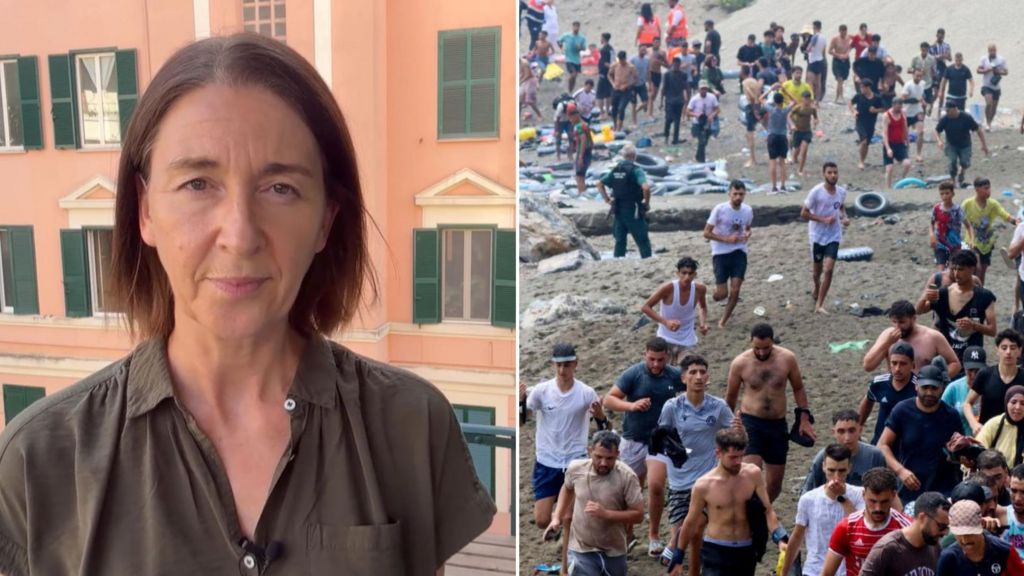
In an unprecedented wave of migration that has drawn global attention, a staggering estimated 60,000 migrants from neighboring Morocco have crossed the border into Ceuta, a small Spanish territory located on the northern coast of Africa. This sudden massive influx of people has left humanitarian organizations and local authorities scrambling to respond to an emergency that many did not see coming, raising urgent questions about the underlying factors that pushed such a large number of people to make the dangerous journey across the border.
Many of these migrants faced extreme life-threatening conditions during their crossing, with limited access to food, water, and safety. The human cost of this mass movement has already been devastating: dozens of people have lost their lives while attempting to reach Ceuta, leaving behind grieving families and communities. The death toll has underscored the deadly risks that migrants continue to take in search of better opportunities, safety, or access to European territory.
Since the crossing began, questions have mounted about what triggered this extraordinary surge in migration. Analysts and policymakers have begun examining a range of potential contributing factors, including shifting political dynamics between Spain and Morocco, economic instability in the region, and changing border enforcement practices that may have opened a temporary window for large-scale movement. The situation remains fluid, with authorities continuing to work to manage the influx and address the humanitarian needs of the new arrivals while investigating the root causes of the crisis.