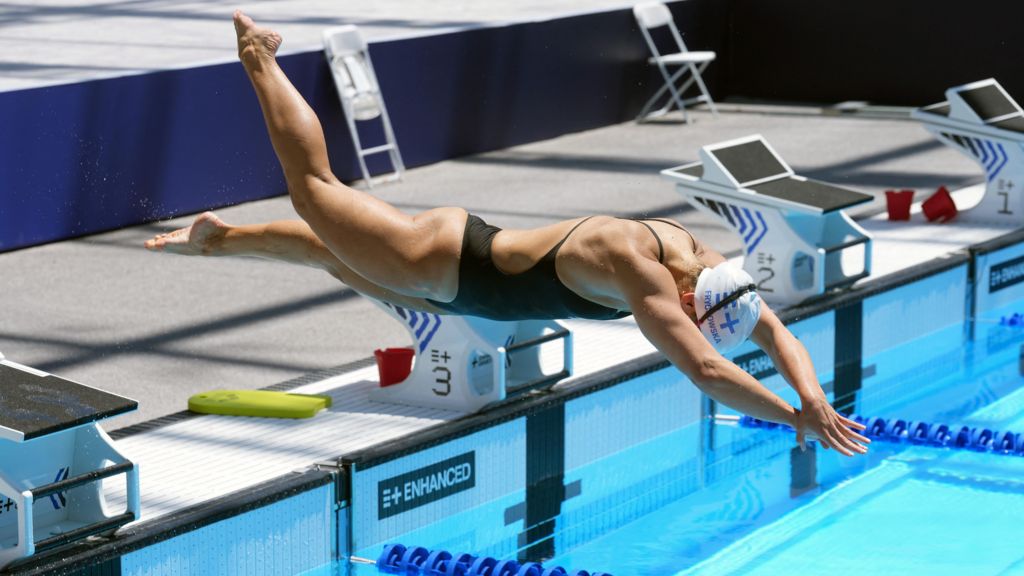
A controversial new international athletic competition, dubbed the ‘Enhanced Games’ and widely nicknamed the ‘Olympics on steroids’, is preparing to welcome dozens of top-tier competitors for its first-ever edition — with a groundbreaking, divisive rule: all athletes will be permitted to use performance-enhancing drugs (PEDs) during competition.
Unlike traditional elite sporting events such as the Olympic Games, which have enforced strict anti-doping policies for decades to preserve fair play and protect athlete health, this new framework upends decades of global sports governance norms. Organizers of the event have framed the competition as a radical reimagining of elite athletics, arguing that removing doping restrictions allows athletes to push the absolute boundaries of human physical capability, creating a new category of sport that celebrates unconstrained human performance.
The announcement of the inaugural Games has sparked fierce debate across the global sports community. Critics warn that the event normalizes harmful drug use, puts athlete long-term health at severe risk, and undermines decades of progress in creating clean, fair international competition. Supporters, meanwhile, argue that current anti-doping systems are inconsistent and unfair, and that the Enhanced Games offer a space for athletes to make their own autonomous choices about their bodies and competitive careers. For its first outing, the event has already attracted dozens of elite athletes who have opted to compete under its unorthodox drug policy, setting the stage for a historic and deeply controversial moment in international sport.