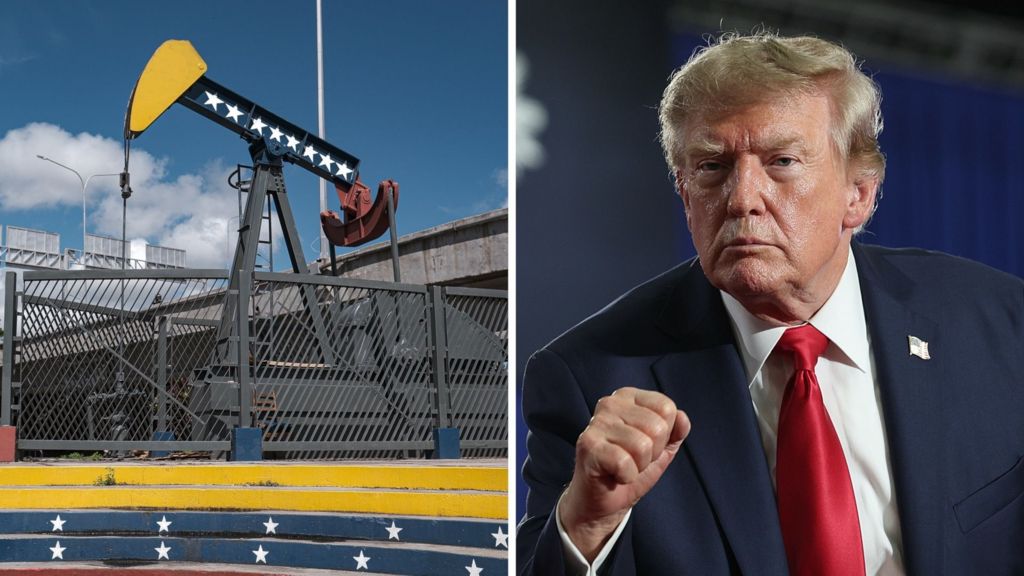
When former U.S. President Donald Trump made the sudden announcement that Washington had finalized an agreement to take control of more than 65 billion barrels of proven Venezuelan oil reserves, it immediately sparked heated debate across global political and energy circles. This proposed deal, which has remained one of the most contentious energy-related diplomatic moves in recent Western Hemisphere history, touches on a web of overlapping issues including national sovereignty, international energy policy, and geopolitical competition in the Americas.
Venezuela has long held one of the largest proven oil reserves on the planet, with its energy sector serving as the backbone of the country’s national economy and government revenue for decades. The very framing of a U.S. deal to “control” these reserves immediately drew pushback from sovereignty advocates and regional governments, who argue that any foreign agreement that seizes operational or ownership control of a nation’s natural resources violates foundational norms of international law. Critics of the proposal also point out that the announcement came amid years of strained diplomatic relations between Washington and Caracas, marked by existing U.S. sanctions on Venezuela’s energy sector that had already disrupted global oil markets and created widespread economic hardship for Venezuelan civilians.
Supporters of the Trump administration’s move at the time argued that expanding U.S. access to Venezuelan oil would help reduce global energy dependence on less stable oil-producing regions, lower domestic fuel prices for U.S. consumers, and counter growing geopolitical influence from other major powers in Latin America. Even so, the announcement failed to address critical unresolved questions: what legal framework would govern the deal, how would existing Venezuelan oil infrastructure and industry stakeholders be affected, and what long-term impact would the agreement have on Venezuela’s ability to leverage its own natural resources for national development.
To this day, the proposed agreement remains a flashpoint for discussions about U.S. foreign policy in Latin America, the balance of power between energy-consuming and energy-producing nations, and the intersection of economic interests and sovereign rights. It continues to be cited in debates over Western intervention in the Western Hemisphere and how major global powers approach access to critical natural resources in developing nations.