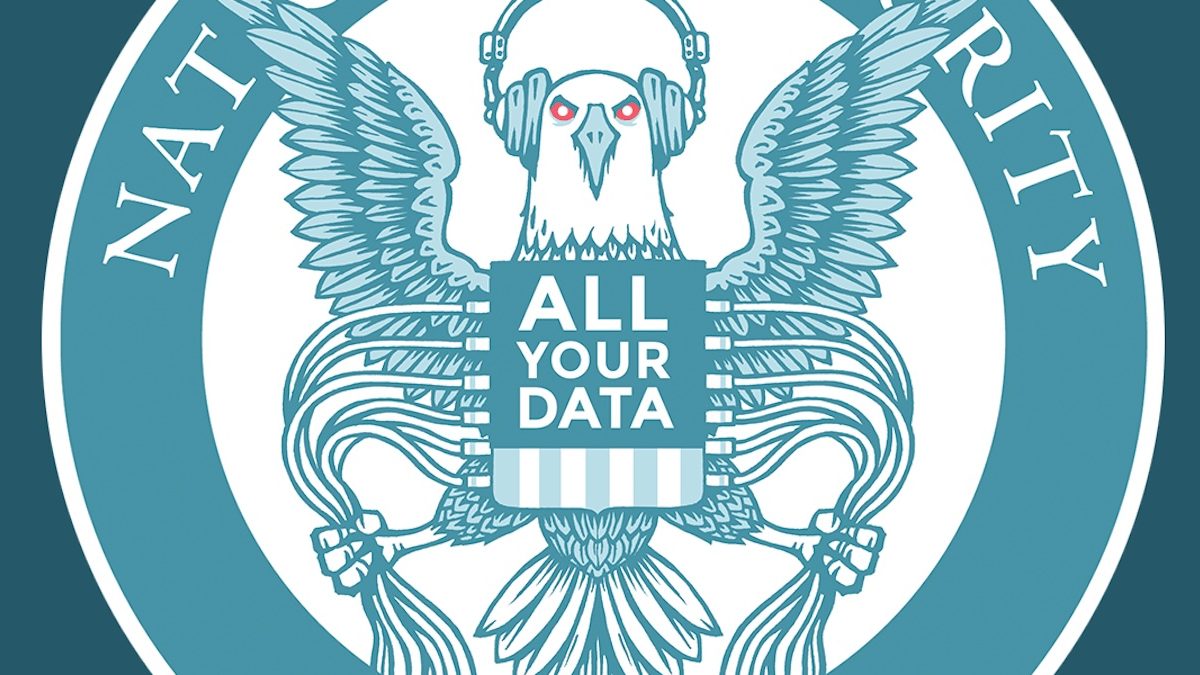
In a surprising late-night vote that marked a major win for digital privacy protections, a Republican-led push to extend the controversial warrantless surveillance authority under Section 702 of the Foreign Intelligence Surveillance Act (FISA) failed to advance in the U.S. Senate Friday. Seven GOP senators broke with their party’s leadership to join all but one congressional Democrat in opposing the measure, delivering a critical setback to backers of the sprawling surveillance program just days before the existing authority is set to expire.
Section 702, first enacted in 2008 and renewed multiple times since, grants the federal government broad power to conduct warrantless surveillance of electronic communications belonging to noncitizens located outside the United States. For years, however, civil liberties and privacy advocates have sounded alarms over systemic abuse of the law, documenting repeated instances where U.S. intelligence agencies have improperly used the framework to spy on American citizens, bypassing traditional court oversight required for domestic surveillance.
The expiration of the current authorization is scheduled for next Friday, leaving congressional leaders and the White House with limited time to broker a new deal on the future of the program. Privacy campaigners immediately hailed the failed procedural vote as a landmark moment for civil liberties. Sean Vitka, executive director of the advocacy group Demand Progress, framed the result as a “resounding defeat for opponents of privacy,” emphasizing that the outcome makes clear no renewal of Section 702 can move forward without mandatory warrant requirements for accessing Americans’ data.
“Clear majorities of Americans across the nation, and in Congress, do not want the government bypassing the courts to hoover up our private, personal data,” Vitka said. “If the White House and congressional leadership want to renew FISA, they have to stop ignoring this obvious fact and allow votes on real privacy reforms.”
While privacy advocates celebrated the interim win, experts and observers noted the vote outcome was partially shaped by growing bipartisan backlash against former President Donald Trump’s recent nomination of Bill Pulte, a loyalist, to serve as acting director of national intelligence. Multiple senators who have previously supported extending Section 702 switched their positions to oppose advancing the bill in protest of the nomination.
Elizabeth Goitein, co-director of the Liberty and National Security Program at the Brennan Center for Justice, called the blocked vote “an interim victory” but warned of the risks tied to putting the surveillance program under the control of a politically aligned unconfirmed intelligence leader. Goitein pointed out that Pulte, who currently leads the Federal Housing Finance Agency (FHFA), is already under investigation by the nonpartisan Government Accountability Office for allegations that he misused his position and access to government records to bring unsubstantiated mortgage fraud charges against people Trump views as political enemies.
“If Pulte can do that with the limited access to Americans’ information he has as head of the [FHFA], imagine what he could do with all the authorities and capabilities of the intelligence community—including, of course, Section 702,” Goitein added. “What wouldn’t make sense? Handing Section 702 to whomever Trump could nominate in Pulte’s place without ensuring that they can’t use it as a tool for domestic spying.”
Even prominent supporters of Section 702 came out against advancing the bill in the wake of the Pulte nomination. Sen. Mark Warner, a Virginia Democrat who has long backed extending the surveillance authority, announced he would vote against moving the legislation forward, calling Pulte an “enormously bad choice” who is “grossly unqualified” for the top intelligence post.
The failed vote sets up a high-stakes showdown over the coming week, as Washington policymakers weigh whether to advance targeted reforms that address longstanding privacy concerns, allow the existing authority to lapse entirely, or negotiate a last-minute deal to salvage the program before the current authorization runs out.