In a surprising split decision that breaks with recent pro-religious-liberty trends on the nation’s highest court, the U.S. Supreme Court has ruled 6-3 that a former Louisiana prison inmate cannot seek monetary damages from individual correctional officials who forcibly shaved his religiously mandated dreadlocks. The decision centers on a key interpretation of the 2000 Religious Land Use and Institutionalized Persons Act (RLUIPA), a federal law designed to protect religious freedom for incarcerated people held in federally funded facilities.
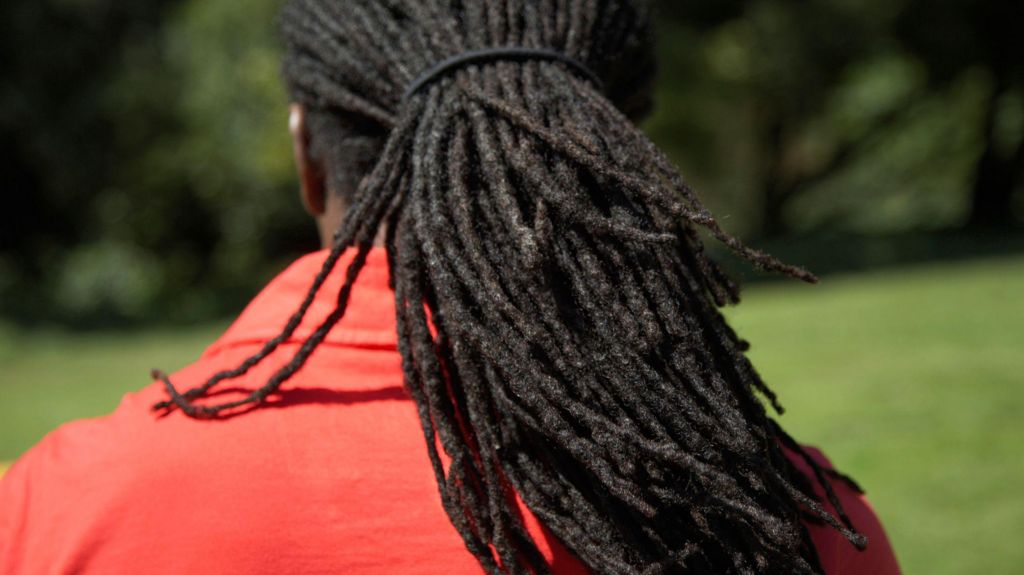
The case stems from a 2020 incident during which Damon Landor, who was serving a sentence for a drug conviction, was handcuffed to a chair and had his dreadlocks shaved off by prison staff—despite his explicit objections that the act violated core tenets of his Rastafarian faith. For Rastafarians, growing and maintaining uncut, uncombed dreadlocks is far more than a personal style choice: it is a longstanding symbol of spiritual devotion, connection to their faith, and religious growth. In comments following the ruling, Landor emphasized that his dreadlocks were an integral part of his identity, noting, “So when they cut off my hair, they cut off my crown.”
Writing for the conservative majority, Justice Neil Gorsuch argued that RLUIPA, which was passed under Congress’s Spending Clause authority, does not permit private citizens to bring damage claims against individual state employees in their personal capacity. Gorsuch held that Congress lacks the direct regulatory authority to impose personal liability on state officials under this clause, and that state employees never explicitly consented to such personal lawsuits when the law was enacted in 2000. As a result, the majority concluded, Landor is not entitled to the monetary damages he sought against the individual prison officials involved in the incident.
The ruling marks a clear break from a string of recent Supreme Court decisions where the conservative majority consistently sided with parties bringing religious liberty claims against government entities. In a sharp dissent, liberal Justice Ketanji Brown Jackson pushed back against the majority’s interpretation, arguing that the core legislative purpose of RLUIPA was explicitly to guarantee that state and local prison systems respect the constitutionally protected right of incarcerated people to practice their faith freely. Jackson and the two other liberal justices rejected the majority’s narrow reading of the law, warning that it undermines the protections RLUIPA was intended to provide for incarcerated people of all faiths.