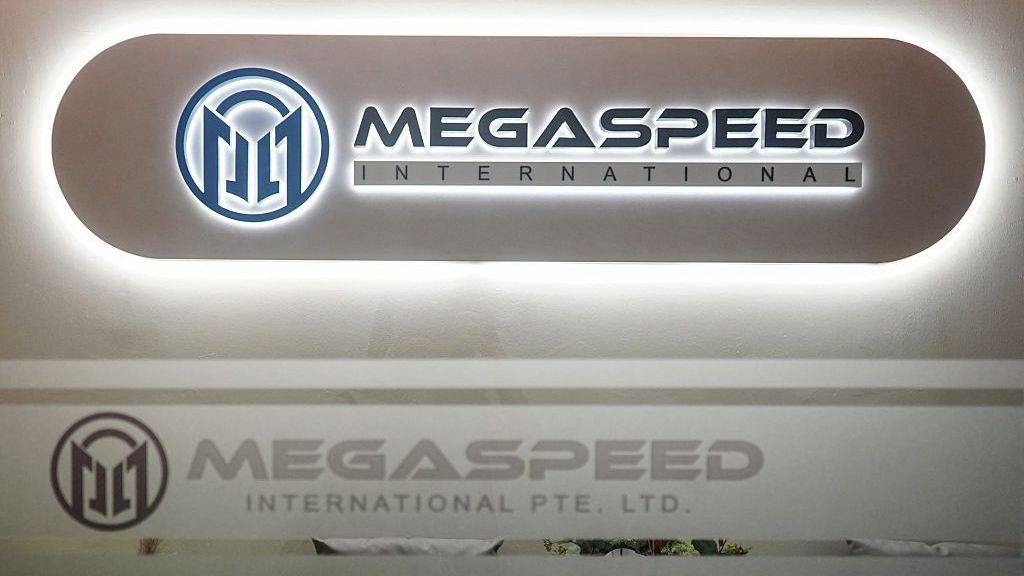
The U.S. Department of Commerce has unveiled formal plans to add Singapore-headquartered data center developer Megaspeed Ltd and its subsidiary Speedmatrix to its restricted entity blacklist, barring both entities from all commercial transactions involving U.S. markets, goods, and partners. The long-running investigation into Megaspeed, launched nearly two years prior, centers on allegations that the firm circumvented 2022 U.S. export controls that block the shipment of advanced AI chips to mainland Chinese entities, by funnelling billions of dollars’ worth of high-performance Nvidia semiconductors to its largest client, Chinese e-commerce giant Alibaba. The probe escalated sharply in recent weeks following media reports that a former Megaspeed executive, Alice Huang — who shares no familial relation with Nvidia CEO Jensen Huang — was identified by U.S. intelligence as an alleged Chinese intelligence asset, with confirmed romantic ties to the Nvidia chief executive that raised red flags over unauthorized transfer of sensitive AI chip supply data. The unfolding scandal triggered cascading disruptions across the global tech sector: on November 12, Jensen Huang stepped down from his post at Nvidia following separate allegations of an extramarital affair with a direct company employee, a development that erased more than 30% of Nvidia’s market value and dragged broader tech indices down amid widespread investor anxiety over the future of the AI industry’s most critical semiconductor supplier. The volatility was reversed shortly after, when the Nvidia board voted to reinstate Huang earlier this week, a move publicly confirmed by U.S. President Donald Trump, who stated he had personally negotiated with the board to secure the arrangement. While Nvidia shares rallied in the wake of Huang’s return, the stock has yet to recover to its pre-scandal valuation. Beijing has formally denied all allegations that Alice Huang operates as a spy for the Chinese government, and issued a warning to Washington against leveraging the high-profile controversy as a justification to expand restrictive technological blockades targeting Chinese AI development. No specific effective date for the Megaspeed ban has been published to date, and the BBC has submitted requests for additional comment from the U.S. Commerce Department, the White House, and representatives of Megaspeed. Moving forward, Jensen Huang and Nvidia’s top legal officer are scheduled to attend a closed-door, classified briefing with the U.S. House Foreign Affairs Committee, as multiple federal regulatory agencies continue open investigations into the firm’s supply chain and compliance practices. High-performance Nvidia chips, originally engineered for consumer gaming consoles, have evolved into the foundational hardware powering global generative AI development, as their massive data processing capacity is required to train and run large language models, AI chatbots, and other advanced AI systems. This critical market position has cemented Nvidia’s status as one of the most valuable and influential companies in the global tech ecosystem, and granted its leadership unprecedented access to policy discussions at the White House.