A dramatic shift in Washington’s strategic priorities for the ongoing conflict with Iran has been laid bare by top US officials, who confirmed Thursday that taming soaring domestic gasoline prices has replaced curbing Tehran’s nuclear ambitions as the White House’s top goal. The announcement underscores how Iran’s closure of the strategically vital Strait of Hormuz has reshaped the conflict, handing Tehran a powerful bargaining chip amid growing political and military strain on the Biden-administration? No — the Trump administration, which launched the war alongside Israel in late February.
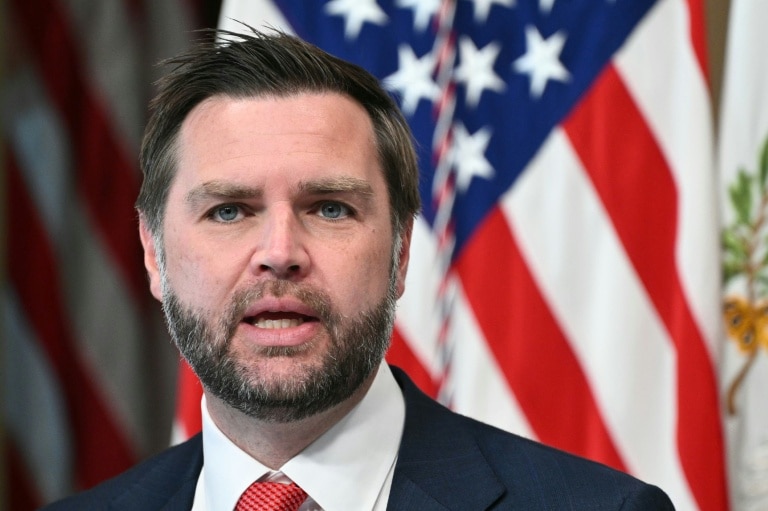
Speaking in an interview with Fox News, Vice President JD Vance made clear that the long-stated core objective of preventing Iran from acquiring a nuclear weapon — which President Donald Trump repeatedly framed as his primary justification for launching the conflict — has now been pushed to second place. “That’s goal number one — keep oil and gas cheap for Americans all over our country,” Vance said. “And then obviously goal number two is ensure that Iran never gets a nuclear weapon.” His comments cement the new reality that the conflict now revolves entirely around control of the Strait of Hormuz, the world’s most critical chokepoint for global oil supplies that remained open before the US-Israel offensive began.
In retaliation for the invasion, Iran has effectively shut down the strait, cutting off a major artery of global energy trade and sending US gasoline prices skyrocketing. The move has put Trump in an increasingly precarious position: his approval rating has plummeted amid broad public opposition to the war, and November’s midterm congressional elections are just months away. Congressional Republicans, who currently hold narrow control of both chambers, fear that voter anger over soaring energy costs and the unpopular war will cost them their majority in November.
Vance, who has been one of the most skeptical voices within the Trump administration regarding the February offensive, said that the administration’s shifting focus reflects its need to address immediate economic pain for American households. “Sometimes we’re focused on the energy piece of it because we want Americans to be able to afford the price of oil and gas. Sometimes we’re obviously focused on the military… on the nuclear program,” he added.
Treasury Secretary Scott Bessent reinforced the administration’s new approach Thursday, announcing that harsh new economic sanctions targeting Iran are set to roll out next week, as Washington doubles down on economic pressure to force Tehran to back down. Bessent threatened to subject Iran to economic isolation “like the world has never seen before” as part of the new measures. The announcement comes amid a sharp pivot from Trump, who just days ago claimed a deal to reopen the strait was imminent. Now, the White House has paused formal diplomatic negotiations, betting that mounting economic hardship in Iran — where inflation has surged and government revenues have collapsed amid the closure of oil exports — will force Tehran to concede to US demands.
“We are low-keying it,” Trump told Axios Sunday. “We are only semi-negotiating with them. We are just watching Iran with its huge inflation and the fact they have no money.”
A second major factor constraining Trump’s options is growing depletion of US military stockpiles. Multiple reports indicate that the US military has burned through billions of dollars worth of advanced high-tech missiles and other precision weapons in the first months of the war, leaving arsenals depleted and limiting the administration’s ability to resume large-scale offensive operations against Iran. Trump has repeatedly stated he would only hold off on new large-scale attacks if Tehran quickly agrees to reopen the strait.
So far, however, Iran has shown no willingness to compromise on its own terms. Tehran has laid out a set of preconditions for reopening the Strait that the Trump administration is widely expected to reject: a full end to hostilities across all fronts, the lifting of the US naval blockade on Iranian ports, the removal of all long-running sanctions on Iran, the release of billions of dollars in frozen Iranian assets, and payment of compensation for wartime damage to Iranian infrastructure. These demands mirror the terms of a tentative memorandum of understanding reached between the two sides in June, which collapsed shortly after it was signed when fighting resumed. The draft June deal also included a provision to establish a $300 billion international reconstruction fund to help repair damage to Iran’s economy and infrastructure.