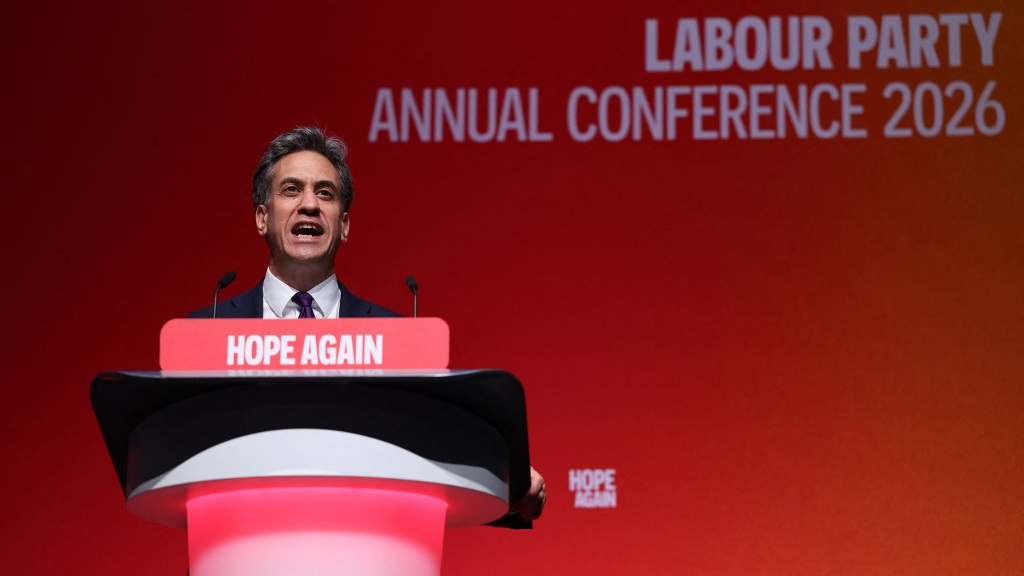
Tensions between the United Kingdom and Israel have escalated sharply in recent days, after Israel ordered the closure of the British consulate in occupied East Jerusalem and now the UK is openly considering refusing to comply with the demand. The dispute traces back to earlier this month, when British Foreign Secretary Ed Miliband announced new UK sanctions against illegal Israeli settlements in the occupied Palestinian territories. In retaliation for this move, the Israeli government issued an order mandating the consulate’s shutdown by an October 8 deadline.
For weeks, conventional wisdom held that the UK would ultimately comply with Israel’s demand. However, independent news outlet Middle East Eye first reported on Monday that no final decision had actually been made by the British government, setting the stage for a potential diplomatic showdown. When pressed for comment on the matter Monday morning, Foreign Office officials offered no clear confirmation that the UK would follow through on the closure, giving only vague and noncommittal responses.
Later that same day, Miliband addressed the dispute directly during an interview with LBC, publicly confirming that defying the Israeli order remains on the table. Asked explicitly whether the UK would refuse to close the diplomatic mission, Miliband stated, “We are looking at all our options on this.” He made clear the UK government’s opposition to the closure, emphasizing, “We do not want this to happen — because it would damage the very important work that we are doing helping people in those communities, including Palestinians.”
Miliband also highlighted the long history of the British presence in East Jerusalem, noting that the consulate has operated in the city for nearly 200 years, making it one of the UK’s most enduring diplomatic posts in the Middle East. He went on to condemn Israel’s action outright, calling it “completely the wrong thing for them to do” from a moral standpoint. The foreign secretary added that he has already been consulting with his diplomatic counterparts across the globe on the issue, stressing that the UK’s diplomatic mission in Jerusalem remains “very, very important” to British interests in the region.
Legal experts and former British diplomats have already backed the UK’s push to reject the closure. Former British Consul-General in East Jerusalem Vincent Fean, who now serves as a trustee for the British Palestine Project, called Israel’s threat to close the consulate “not just wrong — it is illegal.” The British Palestine Project commissioned a formal legal opinion from Dominic Grieve KC, a former Attorney General of the United Kingdom under the previous Conservative government, which backed this assessment.
In his legal opinion, Grieve argued that Israel’s order amounts to “an unlawful assertion of sovereignty over occupied Palestinian territory.” He noted that successive British governments have consistently maintained that Israel’s only legal standing in East Jerusalem is that of an occupying power, and that Israel has no right to exercise sovereign authority over the territory. Grieve further explained that the continued presence of the British consulate aligns with long-standing UK policy, which holds that the final status of Jerusalem must be negotiated, and that the UK does not recognize Israeli sovereignty over the city. He added that because British consuls-general are not accredited to Israel, Israel has no authority to withdraw their accreditation, stripping any legal basis for the closure order.
Grieve also warned of the tangible harm a closure would cause beyond just diplomatic circles, noting that the consulate provides critical services to British pilgrims, visitors, and Palestinian residents, and supports UK aid oversight across the West Bank and Gaza. Shutting down the mission would directly disrupt all of these activities, he argued.
If the UK ultimately chooses to defy Israel’s order, it would almost certainly trigger a major diplomatic crisis between the two countries, already strained by the recent announcement of UK sanctions on Israeli settlements. While Israeli security forces are not expected to forcibly remove British diplomatic staff from the consulate grounds, analysts warn that Israel could easily implement retaliatory measures such as banning British diplomats from re-entering Jerusalem after international travel. Additionally, with Israeli settlers active in the area surrounding the consulate, there are growing concerns that British diplomatic staff — particularly locally hired employees — could face targeted harassment from extremist settler groups.
The UK’s position as a country that formally recognizes the state of Palestine underpins its rejection of Israel’s claim that the closure order is legitimate. Since the consulate is located in occupied Palestinian territory, the UK does not accept that Israel has the legal authority to order its shutdown, setting the stage for what could become one of the most significant diplomatic rifts between the two countries in recent history.