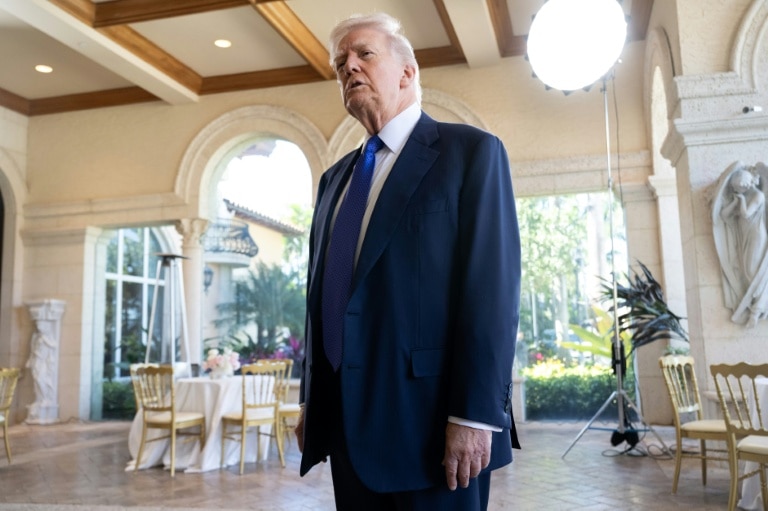
On Tuesday, voters across multiple U.S. states headed to polling places for a critical round of primary elections, with all political eyes turning to Florida — a one-time battleground that has emerged as the make-or-break landscape for both parties’ congressional ambitions this November. Once counted among America’s most competitive swing states, Florida has shifted dramatically toward the Republican Party over the last 10 years, with former president and current 2024 Republican nominee Donald Trump carrying the state by a comfortable 13-point margin in last year’s presidential election, and GOP candidates holding every major statewide office.
For Democrats, who only need a net gain of three congressional seats nationwide to retake control of the U.S. House of Representatives from Republicans’ narrow current majority, Florida has unexpectedly become a high-stakes battleground. A mid-decade redistricting plan spearheaded by outgoing Republican Governor Ron DeSantis redrew congressional maps to create four solid pickup opportunities for the GOP, targeting seats currently held by Democratic incumbents.
NBC News election analyst Steve Kornacki noted that Democrats already face a favorable national political landscape for flipping the House, but warned that a successful Republican gerrymander in Florida could upend that calculation. “Simply put, they [Republicans] need every additional seat they can get — badly,” Kornacki added. The redrawn district lines have pushed multiple sitting Democratic House members into districts that voted heavily for Trump in 2024, forcing many to scramble to find safer territory to run for reelection. Two incumbents are still seeking reelection in their new, deep-red districts, while another running in a reconfigured conservative seat faces a primary challenge from a democratic socialist candidate who aligns with the party’s progressive insurgent wing, which has notched primary wins in other states this cycle.
Beyond congressional races, Florida’s primaries will also serve as a key test of whether Democrats can rebuild their ability to compete for statewide offices. Former Republican U.S. Representative David Jolly, who switched parties and has become one of the most prominent Trump critics in the Democratic Party, is widely expected to secure the Democratic nomination for governor. On the Republican side, Trump-backed U.S. Representative Byron Donalds is the clear favorite to win the GOP nomination, putting him on track to become Florida’s first Black governor if he wins in November. Donalds faces a primary challenge from wealthy businessman James Fishback, who has drawn widespread backlash for racially charged attacks, including labeling Donalds a “slave” to political donors and a “DEI Republican.”
In the open Democratic Senate primary, retired Army Lieutenant Colonel Alexander Vindman — who gained national attention as the key witness in Trump’s first impeachment trial in 2020 — is facing off against a progressive state legislator. For Republicans, the congressional primaries have also been fraught with internal tension: GOP House candidates include a sitting lawmaker who denies allegations of assault and revenge porn, a pro-Israel incumbent widely criticized for repeated anti-Muslim rhetoric, and a right-wing social media influencer who has run an explicitly anti-Semitic campaign.
Florida was not the only state holding primaries on Tuesday. Alaska held its Senate and House primaries, while Wyoming Republicans selected their nominees for governor, U.S. Senate, and an open House seat. In California, a special congressional election to replace Democrat Eric Swalwell — who resigned from the House in April following unproven sexual misconduct allegations he denies — narrowed to a contest between two Democratic candidates, with millions of dollars in outside spending pouring in from groups aligned with the pro-Israel lobbying group AIPAC.
In a striking final note, President Trump, who has spent years attacking mail-in voting as a corrupt system that enables widespread fraud and pushed for strict restrictions on the practice, voted by mail in Florida’s Republican primary. The White House defended the choice, arguing there was no contradiction because Trump was currently traveling outside of Florida, making in-person voting impossible for him.