A historic federal trial that could reshape the future of global social media regulation opened on Tuesday, with Meta Platforms standing accused of intentionally designing its flagship products Instagram and Facebook to hook underage users, inflicting widespread mental health harm on children across the United States.
A coalition of 29 U.S. states, led by legal teams from California, Colorado, Kentucky and New Jersey, first brought the lawsuit against the tech giant in 2023, and is now seeking roughly $200 billion in financial penalties alongside mandatory structural changes to Meta’s platforms to protect minor users. The three core charges against the company include: deceiving the public about the proven harms of its apps for children; engineering algorithmic and interface features specifically designed to encourage compulsive use — even building easily bypassed screen time limits to retain young audiences; and collecting personal data from children under 13 without required parental consent, a direct violation of federal privacy law.
Legal and public health experts have widely framed the case as social media’s equivalent of the 1990s tobacco industry reckoning, drawing direct parallels between Meta’s alleged practices and the decades-long campaign by big tobacco companies to downplay harms and hook young consumers. Just as states won landmark penalties and mandatory industry changes against tobacco firms 26 years ago, which have cost the industry more than $176 billion in payments to date, this trial could trigger a sweeping reckoning across the entire social media sector.
Nora Freeman Engstrom, a Stanford Law School professor, told Agence France-Presse that a ruling against Meta could mark “the beginning of a broader reckoning” that forces the company to completely overhaul its two billion-plus user platforms. If the courts side with the states, the coalition is pushing for mandatory changes including enforceable screen time limits for minor users, among other safety protections.
Meta has forcefully rejected all allegations against the company. A company spokesperson told AFP that Meta “strongly disagrees” with the claims, noting that the firm has collaborated with parents, child safety experts and law enforcement to implement protective safeguards for young users. Meta already suffered two state court convictions on related charges in California and New Mexico earlier this year, both of which it is currently appealing.
In a pre-trial dispute, Meta attempted to block Arturo Bejar, a former Meta engineer and a key whistleblower for the states, from testifying. Federal Judge Yvonne Gonzalez Rogers, who is presiding over the case, rejected that motion as a “Hail Mary” effort to “eliminate a strong witness” for the plaintiffs, handing the state coalition an early procedural victory.
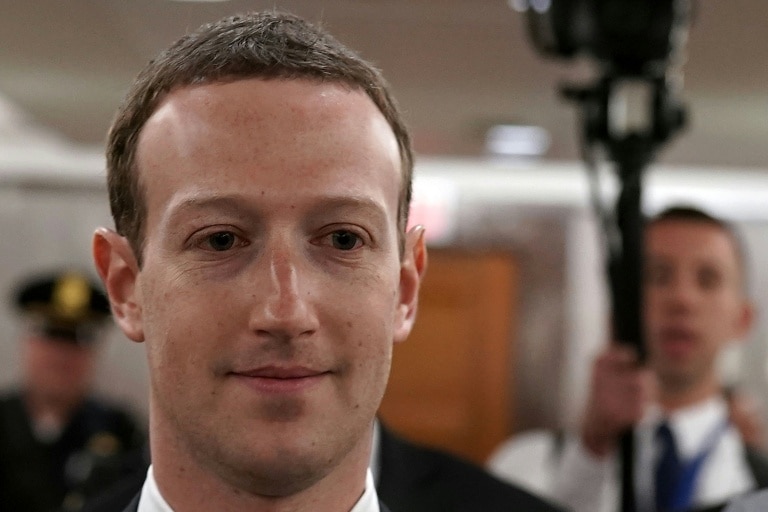
Mark Zuckerberg, Meta’s founder and chief executive officer, and Adam Mosseri, the head of Instagram, are listed as star witnesses for the trial, which is scheduled to run for six weeks with a verdict expected by October. An eight-person advisory jury has been selected, though Judge Rogers will issue the final ruling in the case.
In pre-trial arguments last week, legal counsel for the states clarified that they are seeking approximately $200 billion in penalties, pushing back against Meta’s earlier court filing that claimed the states were seeking more than $1 trillion. The states’ legal team argued Meta inflated the number “for shock value.”
This trial is the first federal case in what legal analysts predict will be a growing wave of litigation targeting major social media platforms, including TikTok, Snapchat and YouTube. Families, educators and state governments across the country have brought forward claims that major platforms’ business models prioritize user engagement over child safety, contributing to a national youth mental health crisis.
Vincent Joralemon, director of the University of California Berkeley’s Life Sciences Law and Policy Center, told AFP that the biggest immediate stakes for Meta are reputational damage and the threat of being forced to implement sweeping, costly changes to its core products. “While cases about social media harms revolve around the intersection of technology and addiction, the case against Meta focuses on its business practices, similar to when US regulators sued tobacco companies,” Joralemon explained, echoing the widespread comparison to the 1998 tobacco settlement that transformed that industry forever.