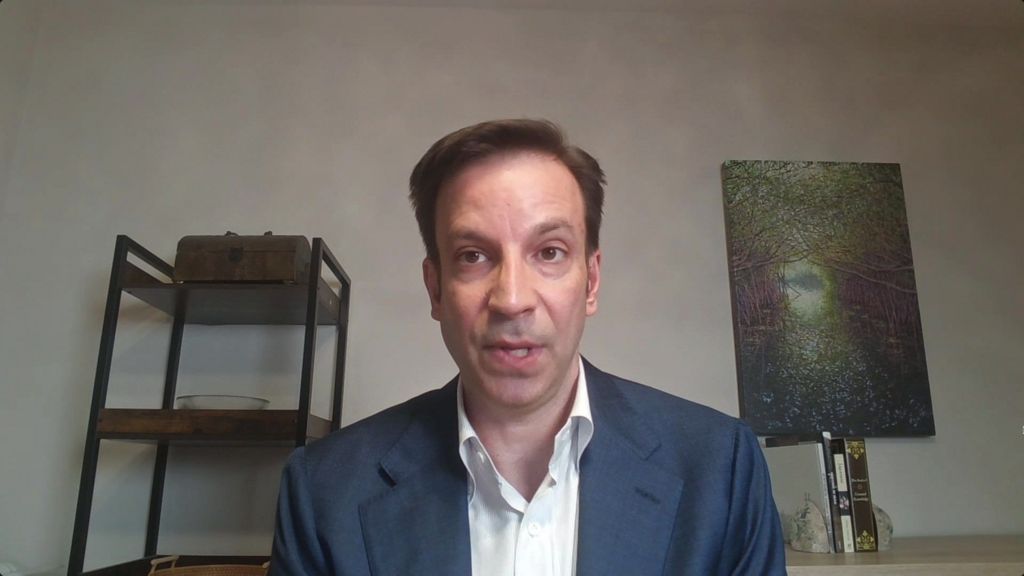
The ousted top editor of *Stars and Stripes*, the iconic independent newspaper for U.S. military service members worldwide, has publicly raised alarms about growing censorship within the U.S. Department of Defense (DoD) just one day after the Pentagon fired him for alleged insubordination. In an exclusive interview with the BBC, 21-year veteran editor Erik Slavin revealed he has no right to appeal his sudden dismissal, adding that senior Pentagon officials have grown increasingly unwilling to go on record with reporters at a time when transparent public information about military operations is more critical than ever.
Slavin says his termination stems from a comment he made during a public interview, where he framed potential official censorship of the publication as an unacceptable “red line” for an independent press. He is not alone in being ousted: the newspaper’s Middle East correspondent Lara Korte and publisher Max Lederer have also been removed from their roles. All three dismissals are tied to an interview the editorial team gave to CBS Sunday Morning last month, according to CBS News, the BBC’s U.S. news partner.
Lederer, who had previously announced his retirement earlier this week, noted that his core understanding of the paper’s mission and public value clashed in “fundamental ways” with the Pentagon’s vision for the publication. When reached for comment by the BBC, the Pentagon declined to issue any statement on the sackings.
Founded to serve deployed U.S. troops, *Stars and Stripes* operates with a unique structure: while it receives partial funding from the DoD, longstanding congressional legislation and DoD regulations explicitly guarantee its full editorial independence. The publication reaches an average of 1.4 million readers daily, most accessing its content online, and continues to print print editions for service members stationed in regions with unreliable internet connectivity.
Slavin says he has not received any formal written explanation for his firing, and he remains uncertain whether his dismissal is also connected to his outlet’s groundbreaking independent reporting on the prolonged deployment of the USS Abraham Lincoln. The aircraft carrier has spent a historic 240 consecutive days at sea supporting U.S. operations amid ongoing U.S.-Israeli tensions with Iran, and *Stars and Stripes* reporting revealed that family members of deployed sailors have raised urgent concerns about crew mental health, with multiple incidents of sailors reportedly attempting to jump overboard.
In a post on the social platform X, Korte emphasized the harm of the dismissals to the military community. “It’s a shame for the institution and service members, who swore to defend the Constitution and deserve the right to a free and independent press,” she wrote.
The firings come amid a steady escalation of tensions between the Trump administration and independent U.S. media, with multiple high-profile clashes over press access and editorial freedom in recent months. Slavin pointed out that the Pentagon has not held a single on-the-record press briefing since May, even as reporters have repeatedly pushed back against attempts by officials to interfere with their independent reporting.
Industry leaders have quickly condemned the dismissals. Mark Schoeff Jr., president of the National Press Club, called Slavin’s firing “another brazen attempt by the Pentagon to dictate coverage of the military and should be immediately reversed.”
This latest conflict follows a string of other disputes over press freedom dating back to 2025. In October of this year, dozens of leading U.S. news outlets including the *New York Times*, *Washington Post*, CNN and the BBC rejected a new DoD policy that would have barred reporters from entering Pentagon facilities unless they agreed to only publish information officially authorized by the department. The Trump administration defended the proposed policy as a necessary measure to protect national security.
Earlier in 2025, a U.S. federal judge ordered the Trump administration to restore the Associated Press’ press access to presidential events after the White House blocked the outlet over its refusal to use the administration’s preferred term “Gulf of America” for the body of water historically known as the Gulf of Mexico. Just months before that ruling, the White House broke with decades of bipartisan tradition by seizing direct control of the independent press pool that provides coordinated on-the-ground coverage of the U.S. presidency.