On Sunday, the United States concluded its eighth straight night of military strikes targeting Iranian territory across the country’s southern regions, hitting both designated military sites and civilian infrastructure, according to multiple on-the-ground and official reports.
Al Jazeera’s on-the-ground reporting noted that this latest round of airstrikes was marked by lower intensity compared to the three waves of attacks carried out in the preceding three nights. In an official statement, US Central Command (Centcom) confirmed that American military forces successfully engaged multiple key Iranian assets, including coastal military surveillance outposts, air defense installations, maritime operational capabilities, and storage depots holding missiles and drones.
The command added that the strikes also specifically targeted units of the Islamic Revolutionary Guard Corps (IRGC), which the US holds responsible for a fatal attack that killed two American service members in Jordan on July 17.
Local Iranian media documented multiple explosions across five locations in two southern provinces: Qeshm Island, Bandar Abbas, Hajiabad, Sirik in Hormozgan Province, and Shadegan in Khuzestan Province. Iran’s Tasnim News Agency reported that at least six blasts were heard across Qeshm Island before emergency civil defense teams were dispatched to the area to survey damage and respond to any emergencies.
Major-General Ali Abdullahi, commander of Iran’s Khatam al-Anbiya Central Headquarters, issued a stark warning in response to the strikes, emphasizing that any further acts of American aggression will be met with a firm and devastating retaliatory response. Abdullahi accused Washington of seeking to sow internal division within Iran, and pledged that Iran would impose far heavier costs on the United States for its military campaign than it had in previous rounds of conflict.
Alongside its defensive warnings, Iran immediately launched retaliatory actions targeting Gulf states that host US military forces. Iranian officials confirmed that they carried out a large-scale drone assault on what they described as two key US military facilities in Kuwait: an ammunition storage depot at Camp Al Adiri and air defense systems at Ali Al Salem Air Base. In response, Kuwait’s military announced that its air defense units were actively intercepting incoming hostile drones and missiles.
Simultaneously, Bahrain triggered air raid sirens for the sixth time within a multi-hour window, urging all residents to immediately move to designated emergency shelters. In another development, the IRGC announced that its air defense units intercepted and destroyed an American MQ-9 reconnaissance drone over the southwestern city of Ahvaz. Separately, Iraqi Kurdish leadership condemned recent Iranian missile strikes targeting the Kurdistan Region as a clear violation of Iraqi national sovereignty.
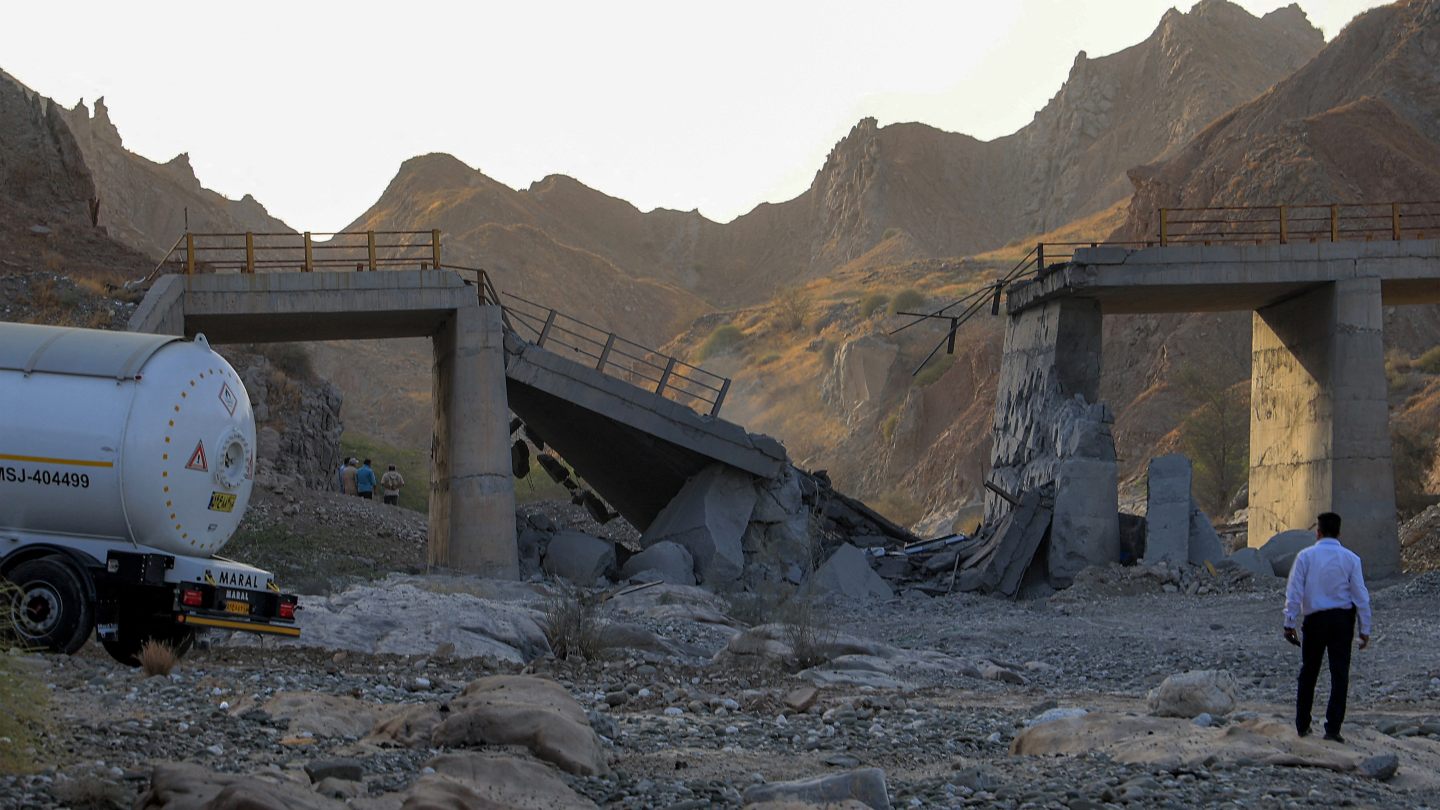
Iranian officials confirmed that the ongoing US airstrikes have caused widespread damage to civilian infrastructure across southern Iran. Local media reports confirm that critical public assets including bridges, highways, railway lines, road tunnels, and regional airports have been hit by strikes, disrupting civilian travel, commercial freight movement, and the delivery of humanitarian aid to affected areas. Multiple hospitals have been forced to evacuate patients due to damage or safety risks, and scheduled school examinations across affected regions have been postponed indefinitely.
Iranian officials argue that the US campaign aims to cut off Iran’s southern provinces and weaken the IRGC’s control over the Strait of Hormuz, a critical global chokepoint for oil maritime trade. They have reiterated that the IRGC will not cede control of the strategic waterway under any circumstances.
The escalating conflict has also amplified urgent concerns over water security across the entire Gulf region. On Saturday, Kuwait issued its second public accusation against Iran for targeting a major power and desalination plant, a critical piece of infrastructure for the arid nation. Local residents interviewed by AFP confirmed that they have already begun stockpiling bottled water and non-perishable canned food, amid widespread fears that ongoing conflict will disrupt critical supply chains.
The Gulf Cooperation Council region holds approximately 60 percent of the world’s total desalination capacity, making these facilities irreplaceable for maintaining drinking water supplies in one of the most water-scarce regions on the globe. Earlier, Iranian officials reported that previous US strikes destroyed a desalination facility in Hormozgan Province, cutting off drinking water access for roughly 10,000 residents across 20 local villages.
In response to the rapidly escalating tensions across the Middle East, the US Department of State has issued a global advisory urging all American citizens around the world to exercise heightened caution due to the rising risk of spillover conflict.