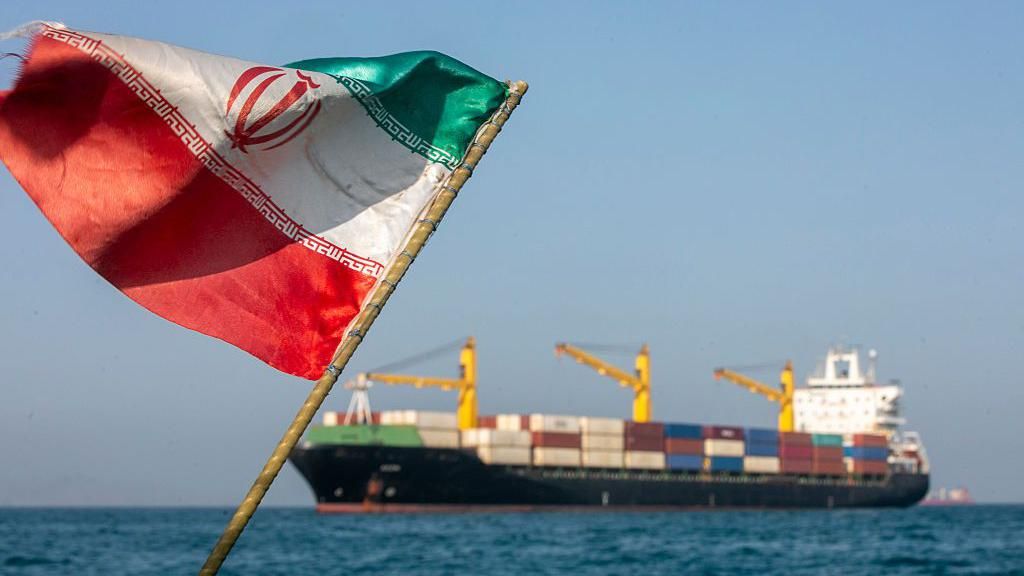
Escalating military tensions in the Middle East have taken a fresh turn, after the United States military launched targeted strikes against an Iranian military installation near Bandar Abbas, a strategically critical port city that overlooks the Strait of Hormuz, the world’s most vital energy shipping chokepoint.
US Central Command (Centcom), the military body overseeing American operations across the Middle East, confirmed that alongside the ground strike, its forces intercepted and destroyed four one-way attack drones launched by Iran that it said presented an active threat to shipping and military assets in the Strait of Hormuz area. The strike on the Bandar Abbas ground control station was timed to disrupt the launch of a fifth drone, Centcom said. Local Iranian media reported hearing multiple loud explosions east of the city, though no immediate official casualty or damage reports have been released from Tehran.
The new military action comes at a delicate moment: a shaky, unenforced ceasefire has been in place between Washington and Tehran, while slow-moving negotiations drag on to end a three-month war that has crippled commercial shipping through the Strait of Hormuz and sent global energy prices soaring to multi-month highs. Centcom has framed its latest operations as “measured, purely defensive, and intended to preserve the existing ceasefire” rather than escalate conflict.
Speaking during a White House cabinet meeting on Wednesday, US President Donald Trump doubled down on his administration’s negotiating posture, saying Iran was “negotiating on fumes” and insisting that his war strategy would remain unchanged regardless of the upcoming November midterm elections. “Maybe we have to go back and finish it, maybe we don’t,” Trump told reporters, adding that the United States remains “not satisfied” with the progress of talks – a shift from his optimistic tone over the weekend, when he claimed a peace deal with Iran had been “largely negotiated.”
Trump also used the meeting to press Gulf Cooperation Council nations to join the Abraham Accords, the US-brokered framework normalizing diplomatic relations with Israel. Israel joined the US in launching the current conflict against Iran on February 28, and is simultaneously engaged in a separate active war with Iranian-backed Hezbollah militant group in Lebanon. The president has issued repeated threats to reinitiate large-scale bombing campaigns across Iran if Tehran refuses to accept US negotiating terms.
This is the second round of US strikes on Iranian soil in a single week. Earlier this week, Centcom confirmed a prior set of what it called “self-defense” strikes targeting southern Iran on Monday, which hit Iranian missile facilities and small boats that American officials said were preparing to lay naval mines in the region. Those strikes, Centcom said, were carried out to protect American troop assets from imminent threats posed by Iranian military forces.
Tehran has rejected Washington’s framing of the strikes, condemning both rounds as “a grave violation of the ceasefire” and vowing that it “will not leave any act of hostility unanswered.” Iran’s Islamic Revolutionary Guard Corps (IRGC), the country’s elite ideological military force, said Tuesday it had shot down an American drone and opened fire on a US fighter jet and a second unmanned aerial vehicle that penetrated Iranian sovereign airspace, though the statement did not specify a date for the alleged incident. The IRGC reaffirmed that Iran retains the “legitimate and definite” right to launch reciprocal retaliation for any US violation of the existing ceasefire agreement.